Sony Releases First Fisheye Lens for Mirrorless Cameras: What Buyers Should Know
Sony's new FE 8-14mm fisheye brings autofocus and compact design to E-Mount systems this October at $1,599.
 By Lawrence Hale
Updated September 8, 2026
By Lawrence Hale
Updated September 8, 2026
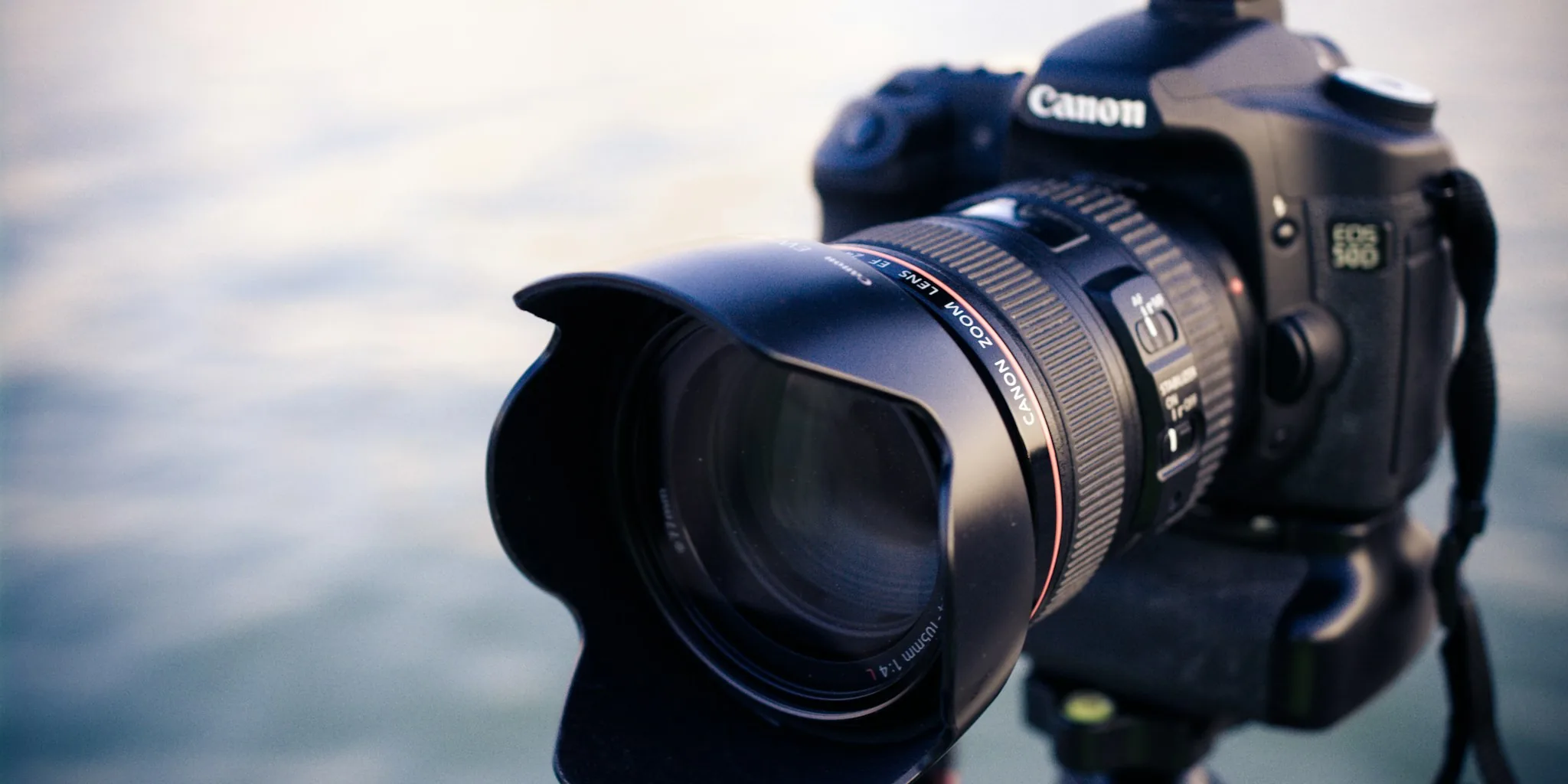
Sony has officially entered the fisheye lens market for mirrorless cameras with the announcement of the FE 8-14mm f/3.5 Fisheye G. This marks the first time Sony has released a native fisheye option for its E-Mount system, filling a notable gap in the company’s extensive lens lineup. The announcement came on September 8, and the lens is expected to begin shipping in early October with a suggested retail price of approximately $1,599.
What Makes This Lens Different
The FE 8-14mm fisheye brings versatility that sets it apart from existing alternatives in the mirrorless space. Mirrorless camera users previously had limited options, with most third-party fisheye choices offering only manual focus functionality. Sony’s new offering changes that equation significantly.
At its shortest focal length of 8mm, the lens produces a classic circular fisheye image surrounded by a black border. When zoomed to 14mm, the lens shifts to a rectilinear fisheye view that fills the entire frame while maintaining the characteristic extreme barrel distortion. This dual functionality, combined with full autofocus capability, represents a major advantage over competing solutions like the Laowa 8-15mm, which operates exclusively in manual focus mode.
Compact Design and Practical Features
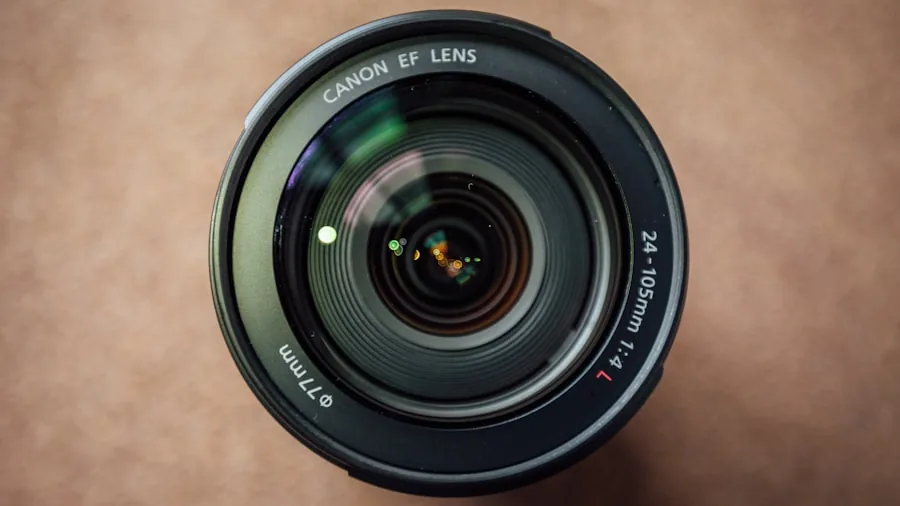
One of the most surprising aspects of the new Sony fisheye is its compact form factor. The lens weighs just 314 grams and features an unusually narrow profile for an ultra-wide optic. This streamlined design was intentional, as Sony engineered the lens to work with the Venus extension system for creating three-dimensional VR setups using two lenses positioned side by side.
The lens incorporates dual autofocus motors capable of keeping pace with mirrorless cameras that achieve 120fps autofocus performance. Minimum focusing distance extends to just 0.15 meters (5.91 inches) from the front element, enabling macro-style perspectives combined with fisheye distortion. Additional practical touches include a focus lock switch for astrophotography work, a zoom lock mechanism, and protective seals against dust and moisture.
Distortion Control and Creative Options
Sony built flexibility into the optical design through two distinct distortion rendering modes. In the default equidistant setting, image distribution appears more even with reduced center enlargement. Switching to equisolid mode creates a compressed edge appearance with pronounced center magnification. For photographers who prefer post-processing control, RAW shooters can adjust distortion settings using Sony Imaging Edge Desktop after capture.
Video creators should note that recording in 16:9 aspect ratio will crop portions of circular fisheye images. However, cameras supporting the 3:2 Open Gate format can preserve the complete circular frame. The lens requires hood removal when operating at the 8mm focal length to prevent vignetting.
Performance and Image Quality

Early evaluation of the lens on the Sony A7 V revealed sharp, vibrant images throughout the focal range. The extreme perspective distortion creates visually striking results that expand creative possibilities for mirrorless cameras for wildlife and action photography. The ultra-wide 180-degree field of view demands careful compositional awareness to avoid unintended elements at the frame edges, but this characteristic is inherent to the fisheye category rather than a deficiency in Sony’s implementation.
What This Means for Shoppers
The arrival of Sony’s native fisheye significantly improves the value proposition for E-Mount system users. Previously, photographers seeking fisheye capabilities faced limited choices with manual focus constraints or compromises in image quality. The new FE 8-14mm closes that gap with a modern design that incorporates contemporary autofocus performance and optical technology.
At the $1,599 price point, the lens positions itself as a premium specialty optic. It appeals most strongly to content creators, architectural photographers, adventure videographers, and artistic practitioners who incorporate extreme perspective distortion into their visual language. Mirrorless camera owners considering a fisheye investment can now evaluate Sony’s purpose-built solution against third-party alternatives with confidence that they are choosing between established, proven options rather than settling for a category absence.
The compact weight and narrow profile make the lens practical for travel and outdoor work, distinguishing it from bulkier ultra-wide alternatives. The inclusion of VR system compatibility signals Sony’s commitment to expanding use cases beyond traditional photography and videography, positioning this lens as adaptable technology for emerging creative directions.
Availability beginning in early October means interested buyers can prepare purchase decisions as the lens reaches retail channels. The combination of autofocus performance, optical versatility, compact design, and weatherproofing features represents meaningful progress in bringing fisheye technology to the modern mirrorless ecosystem.
About the author
Lawrence covers mirrorless and DSLR cameras for REMOVU, weighing image quality, autofocus, and lens ecosystems. He helps photographers choose a body they can grow with.