Chip Shortage Relief in Sight: What New Manufacturing Technology Means for Your Next Device
Top chipmakers are deploying advanced equipment that could boost supply and lower prices by 2030
 By Ava Herrera
Updated September 8, 2026
By Ava Herrera
Updated September 8, 2026
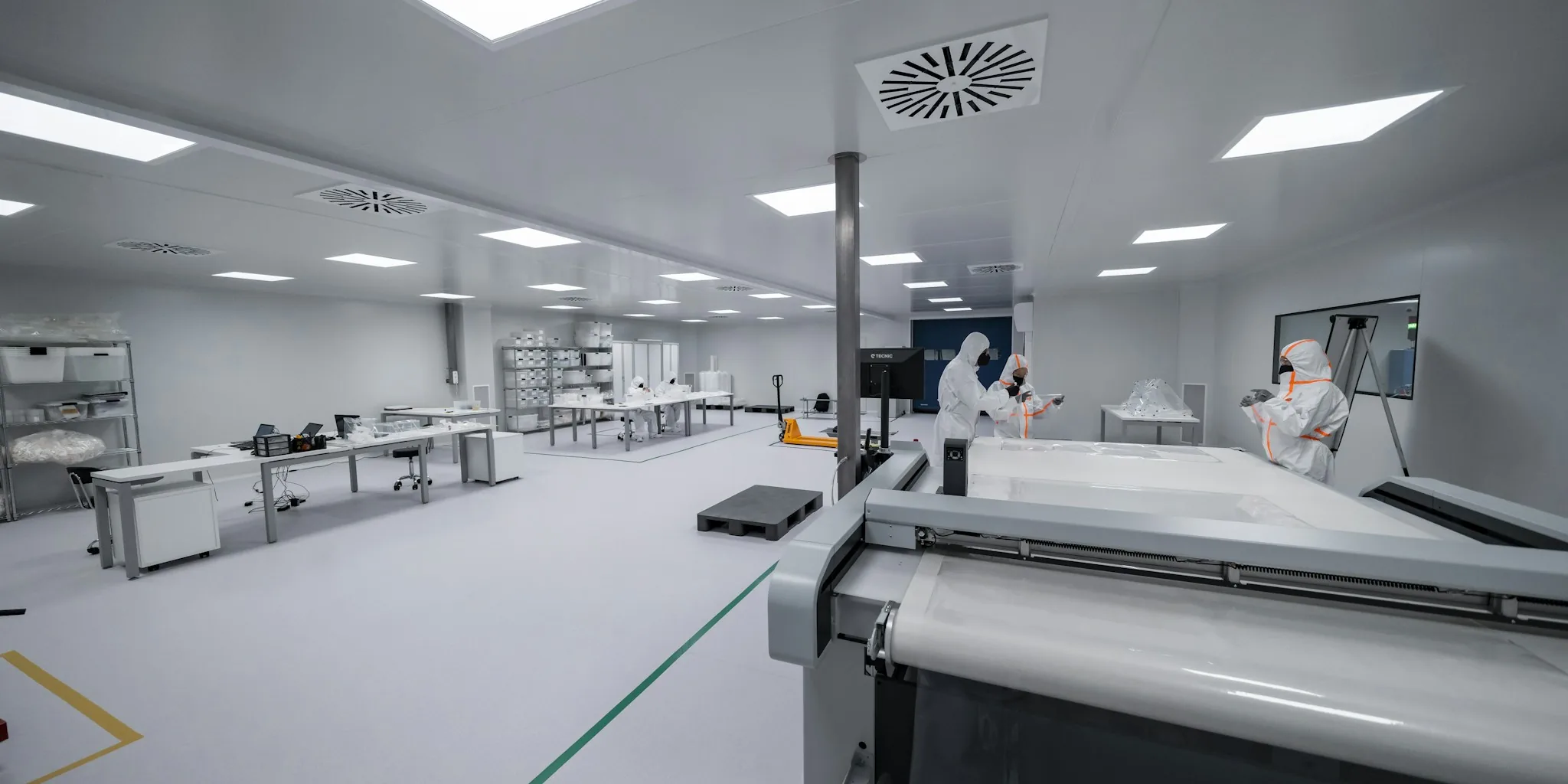
The global chip shortage that disrupted the tech industry for years may finally be easing, thanks to major advances in semiconductor manufacturing technology. Three of the world’s largest chipmakers, Samsung, Intel, and TSMC, have announced plans to adopt cutting-edge equipment and production methods that could dramatically boost the supply of high-performance processors and memory chips available to consumers.
For shoppers worried about device prices and availability, these developments signal that relief may be coming within the next several years. Understanding what’s happening behind the scenes at chip factories worldwide helps explain why your next smartphone, laptop, or gaming console might cost less and arrive sooner than you’d expect.
What’s Driving the New Push
The push toward new manufacturing technology centers on extreme ultraviolet (EUV) lithography machines, specialized equipment that etches intricate patterns onto silicon wafers. Intel has already begun using the latest generation of this equipment, called High NA EUV, in factories producing its most advanced processors. The success of this approach prompted Samsung and TSMC to commit to deploying the same technology within the next five to ten years.
Samsung plans to start manufacturing advanced memory chips using High NA EUV equipment by 2028, while TSMC aims to begin using it for its cutting-edge processor production starting in 2030. These timelines matter because both companies manufacture chips for major consumer electronics brands, meaning breakthroughs in their facilities directly impact what reaches store shelves.
In addition to new equipment, the chipmakers are also pursuing an initiative to upgrade from standard six-inch photomasks to larger twelve-inch photomasks. These masks function like stencils, determining the precise patterns that get printed onto silicon wafers. The bigger masks represent a significant shift in how chips are manufactured, one that could reshape production efficiency across the entire industry.
Real-World Benefits for Consumers
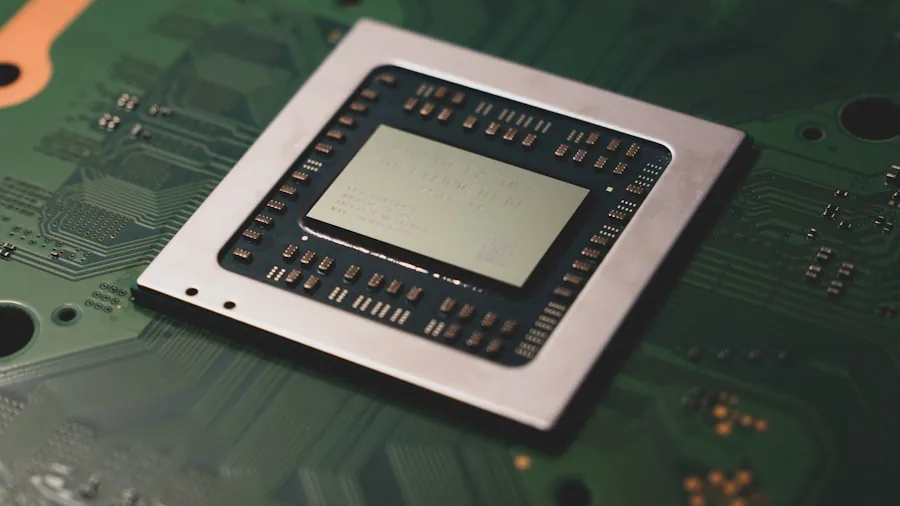
The transition to larger photomasks addresses one of the biggest frustrations in modern chip production: a process called stitching. When using smaller masks, manufacturers must stitch multiple patterns together to create complete chip designs. This stitching adds cost, complexity, and potential for manufacturing errors. Larger masks eliminate this extra step, allowing manufacturers to print entire chip designs in one go.
According to semiconductor experts, this change could increase manufacturing productivity by as much as forty percent while simultaneously lowering production costs. Higher productivity means more chips made in the same timeframe, while lower costs could translate to more affordable electronics for shoppers. The combination is particularly meaningful for memory-intensive devices like high-performance gaming computers and professional workstations.
The industry isn’t rushing this transition, however. The initiative to develop and deploy twelve-inch photomask technology has a longer timeline. Manufacturing facilities for these larger masks aren’t expected to begin evaluation until 2031, with actual production commencing in 2033. This deliberate pace reflects the complexity and precision required when overhauling manufacturing processes for components worth billions of dollars.
What This Means for Your Wallet
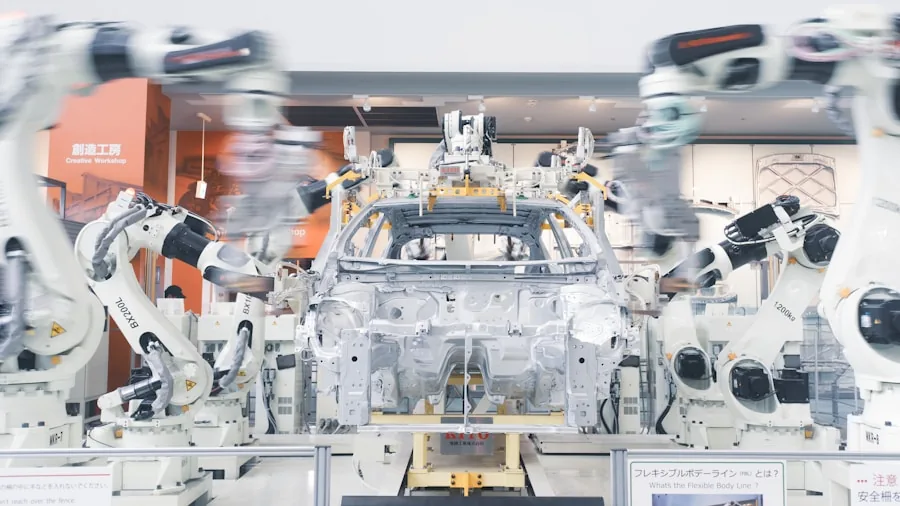
The cumulative effect of these improvements could be substantial. As semiconductor manufacturers gain access to more efficient equipment and streamlined production processes, they can make more chips at lower costs. These efficiency gains typically translate into more competitive pricing for end consumers, whether you’re shopping for a new processor-powered device or upgrading your existing equipment.
The improvements particularly benefit buyers of premium electronics. High-end processors and advanced memory chips command the highest prices, making them the most affected by manufacturing constraints. Price increases for advanced memory chips have already impacted premium tablet and smartphone prices in recent years. As production ramps up, these categories should see more competitive pricing emerge.
Additionally, better supply stability reduces the inventory shortages that force manufacturers to raise prices and extend delivery times. When chip factories can produce more efficiently, they meet demand faster, reducing bottlenecks that ripple through the entire supply chain.
When to Expect Changes
For shoppers planning near-term purchases, these advances won’t provide immediate relief. Samsung’s 2028 timeline means memory chips made with the new technology won’t reach consumer devices for at least several years. High-performance prebuilt gaming systems relying on the latest memory technology would likely see benefits starting around 2029 or 2030.
TSMC’s 2030 timeline for advanced processor production similarly suggests that flagship phones and laptops using chips made with this technology won’t arrive until 2031 or beyond. The twelve-inch photomask technology timeline extends even further out, with potential consumer benefits not materializing until the mid-2030s.
Despite these longer timelines, the announcements represent genuine progress. The commitment from the world’s top two chipmakers to adopt new manufacturing technology demonstrates industry-wide confidence that the semiconductor supply chain can support growing global demand. For consumers, this confidence translates into a brighter outlook for device availability and pricing in coming years.
About the author
Ava is REMOVU's laptop writer, balancing speed, battery life, and build quality against price across the whole range. She helps readers find the sweet spot as each new chip shifts what a dollar buys.