The 12 Best Projectors
From triple-laser home theater models to portable outdoor picks, these projectors cover every setup and budget. Here is what actually separates a great image from a disappointing one.
 By Kay Hanson
Updated July 26, 2026
By Kay Hanson
Updated July 26, 2026
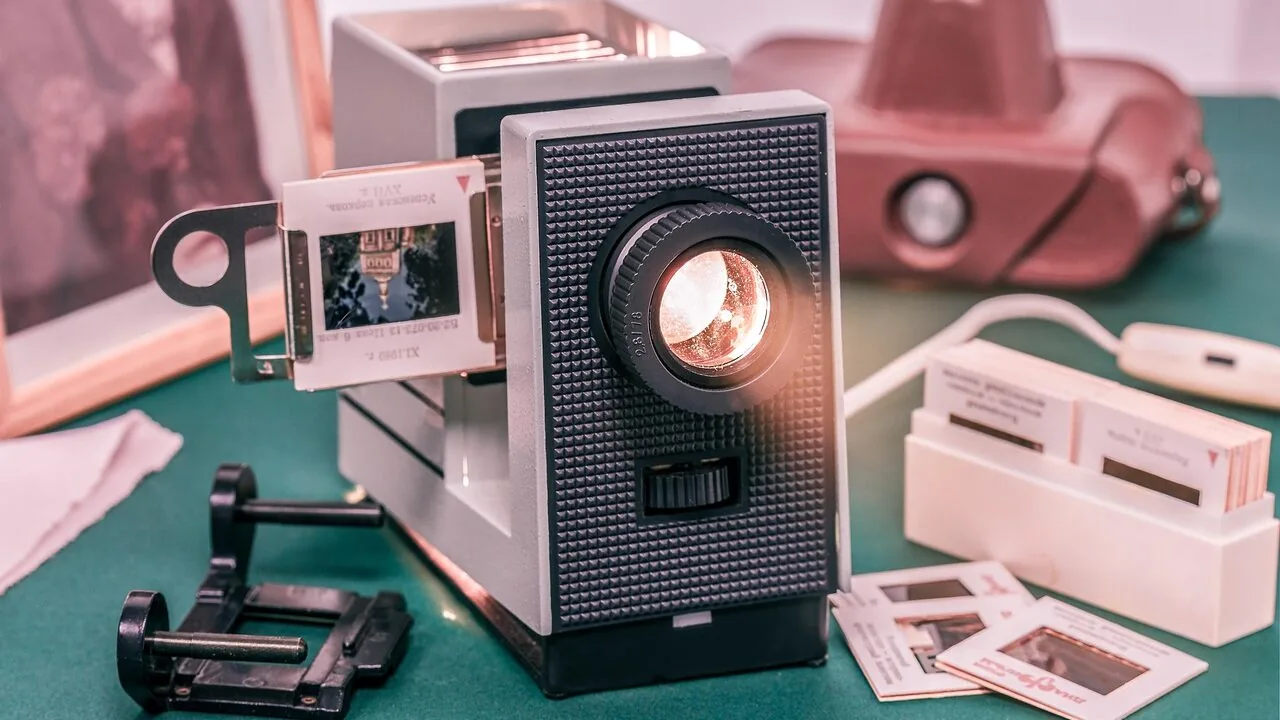
A great projector can transform any room into a cinema, turn a backyard into an outdoor movie night, or give a boardroom presentation the scale it deserves.
Yet the market is crowded with options spanning vastly different brightness levels, smart platform ecosystems, throw distances, and price points, making it genuinely difficult to know which model is worth your money.
Whether you are outfitting a dedicated home theater, looking for a portable companion for camping trips, or simply want big-screen entertainment without committing to a large TV, projectors from brands like Hisense, Epson, ONOAYO, HAPPRUN, and TOPTRO cover a wide spectrum of needs and budgets.
REMOVU researched and assessed each model in this list through a synthesis of published technical specifications, expert review consensus across credible editorial sources, and verified buyer feedback, scoring every option on our 0 to 10 REMOVU Scale.
The result is a shortlist of projectors that genuinely earn their place, whether you prioritize image quality, portability, smart features, or value.
Read on for our ranked picks, followed by a detailed buying guide covering everything you need to evaluate before you buy.

Hisense M2 Pro Triple Laser 4K Projector
A portable projector built for flexibility, the M2 Pro combines triple laser brightness (1,300 lumens) with intelligent setup features like auto keystone, focus, and obstacle avoidance. It scales from 65 to 200 inches and includes 4K upscaling plus Dolby Vision, making it practical for living rooms, patios, and travel. Best suited for users who prioritize convenience and adaptive tech over maximum portability.
Pros
- Triple laser light source delivers consistent, vibrant colors with Dolby Vision support
- Comprehensive auto-adjustment suite (keystone, focus, obstacle avoidance, wall color adaptation) reduces manual setup friction
- Wide projection range (65-200 inches) and 360-degree horizontal gimbal accommodate diverse room layouts
- 1,300 ANSI lumens brightness suitable for both dark and moderately lit environments
- Smart OS with Netflix and streaming apps built in, no external device required
Cons
- 1,300 lumens is moderate brightness for outdoor daytime use or very large screens in bright rooms
- Portable positioning is limited by gimbal design and power requirements compared to ultra-compact projectors
- No detailed information on lens throw ratio or exact weight, making true portability assessment difficult

Epson Home Cinema 980 1080p Projector, 4000 Lumens
Epson's Home Cinema 980 delivers bright, sharp Full HD images with 4,000 lumens brightness suitable for lit rooms and sports viewing. The 3-chip 3LCD technology ensures accurate color without rainbow artifacts, while dual HDMI ports and built-in speaker provide straightforward setup for streaming and gaming. Best for viewers prioritizing brightness and color accuracy over 4K resolution.
Pros
- Exceptional brightness at 4,000 lumens (both color and white), performs well in brightly lit spaces
- True 3-chip 3LCD technology delivers precise, vivid colors without rainbow effect
- Optimized for fast-moving content like sports and gaming with responsive data processing
- Dual HDMI ports plus USB power source for flexible device connectivity
- Built-in speaker and portable 6.8 lb design enable quick setup and repositioning
- 2-year limited warranty with lifetime technical support
Cons
- 1080p resolution limits detail compared to 4K alternatives, especially on larger screens
- 2W built-in speaker provides basic audio only; external sound system recommended for immersive experience
- Lamp-based light source requires eventual replacement, unlike laser alternatives

TOPTRO X9 Pro 4K Outdoor Projector with VIDAA OS
A smart outdoor projector built around TOPTRO's proprietary VIDAA OS, offering 920 ANSI lumens brightness, native 1080P with 4K decoding, and 40W Dolby audio. It's designed for families wanting a distraction-free streaming experience with 1,000+ live TV channels and seamless Apple HomeKit integration, though the 1080P native resolution limits true 4K performance.
Pros
- Fast, lag-free VIDAA OS with cloud storage and enhanced privacy controls, including dedicated kids mode
- Strong brightness at 920 ANSI lumens with HDR10 support makes it usable in moderately lit rooms
- Comprehensive smart features: 1,000+ live channels, Netflix/YouTube/Prime pre-loaded, AirPlay 2, HomeKit, and smartphone voice control
- Advanced AI auto-setup handles focus, 6D keystone correction, and obstacle avoidance within 3 seconds
- Dual 20W speakers with Dolby Audio and two-way Bluetooth 5.4 for flexible audio routing
Cons
- Native 1080P resolution means 4K content is decoded but displayed at lower native resolution, not true 4K output
- No user reviews yet (5-star rating unverified), limiting real-world feedback on long-term reliability and actual performance consistency
- Requires multiple cables and setup steps for ceiling mounting and audio optimization, despite auto-setup features

ONOAYO ONO3Pro 2.0 4K Smart Projector
A portable 4K projector with 3000 brightness and Smart OS 2.0, designed for flexible placement from bedrooms to outdoor spaces. Standout features include AI-powered auto focus that adjusts in 3 seconds, dual 50W Dolby speakers, and built-in streaming apps like Netflix and Prime Video. Best suited for users prioritizing convenience and smart features over native 4K resolution.
Pros
- Compact and lightweight at 2.4lb, genuinely portable for indoor and outdoor use with multiple mounting options
- AI auto adjustment handles focus, keystone, and obstacle detection in 3 seconds, reducing setup friction
- Strong audio with dual 50W Dolby speakers and eARC support, functioning as standalone speaker
- Built-in Smart OS 2.0 with native app access (Netflix, YouTube, Prime Video, Disney+) and WiFi 6 connectivity
- 3000 brightness and 4K decoding support with up to 300-inch projection size
Cons
- Native resolution is 1920x1080P only; 4K support is decoding/upscaling, not true 4K output
- No built-in battery despite portable design, requires power outlet at all times
- Performs best in dimmer environments; brightness advantage diminishes in bright rooms

TOPTRO A2 4K Smart Projector with VIDAA OS
A feature-rich smart projector built around VIDAA OS for faster app performance and 1000+ live TV channels without needing external streaming devices. The 650 ANSI brightness, 36W Dolby audio, and 1.0:1 short throw ratio make it practical for apartments and smaller spaces, while AI auto-focus and keystone correction simplify setup. Best suited for cord-cutters wanting integrated live TV and casual home theater use.
Pros
- VIDAA OS delivers noticeably faster navigation and stability compared to standard Android TV projectors, with built-in live TV channels reducing need for separate apps
- 36W Dolby speakers with dual 18W drivers provide adequate cinema-quality audio for most rooms without external soundbar requirement
- 1.0:1 ultra-short throw ratio projects 100-inch image from just 2.2 meters, ideal for tight apartments and rentals
- AI auto-focus, keystone correction, and obstacle avoidance eliminate manual tweaking and real-time adjustments
- Official AirPlay 2 and Miracast support with WiFi 6 enable seamless one-tap casting from Apple and Android devices
Cons
- Native resolution is 1080P despite 4K decoding label, meaning sharp 4K content displays at upscaled 1080P rather than true 4K detail
- 650 ANSI brightness is moderate for well-lit rooms or outdoor use compared to projectors claiming 1500+ lumens
- iOS devices cannot mirror Netflix or Disney+ due to DRM restrictions, limiting flexibility for Apple users

HAPPRUN 3000 ANSI Lumens Smart Projector with Google TV
A versatile projector built for both indoor and outdoor use, the HAPPRUN 3000 combines bright 3000 ANSI lumens output with native Google TV integration, eliminating the need for external streaming devices. Its auto focus and 6D keystone correction make setup effortless, while dual 10W Dolby Audio speakers provide respectable sound without external gear. Best suited for homeowners wanting a plug-and-play entertainment system that handles streaming, gaming, and backyard movie nights in one device.
Pros
- Built-in Google TV with 1,000+ apps eliminates need for separate streaming devices
- Strong 3000 ANSI lumens brightness performs well in lit environments and outdoor settings
- Auto focus and 6D auto keystone save setup time and adjust for various mounting angles
- WiFi 6 and Bluetooth 5.2 provide stable wireless connectivity with minimal lag
- Dual 10W Dolby Audio speakers deliver adequate sound for most viewing scenarios
Cons
- 4K support is decoding-based rather than native 4K resolution, limiting true 4K performance
- No detailed information on lamp lifespan or maintenance costs for long-term ownership
- Dual 10W speakers may require external audio setup for larger outdoor gatherings or audiophile preferences

ONOAYO ONO5Pro 2.0 4K Smart Projector with 60W Dolby Audio
A feature-rich smart projector designed for both indoor and outdoor use, combining 3500 lumens brightness, built-in 60W Dolby speakers, and AI-powered auto-calibration that handles focus and keystone correction in seconds. Best suited for home theater enthusiasts and casual streamers who want a large-screen alternative to traditional TVs without purchasing separate audio equipment.
Pros
- Powerful integrated audio system with dual 60W Dolby speakers tuned by Hollywood experts, eliminating the need for external soundbars
- Fast AI auto-focus and keystone correction (3 seconds) with obstacle avoidance and screen-fit adjustment for hassle-free setup
- Smart TV OS 2.0 with 1,500+ live TV channels built-in and compatibility with major apps (YouTube, Prime Video, Disney+), plus WiFi 6 for reduced streaming latency
- High brightness output (3500 lumens) with 98% NTSC color gamut and support for 4K decoding, suitable for dimmer to moderately lit rooms
- Sealed optical engine with triple-temperature control system designed to prevent dust-related image degradation and extend operational lifespan
Cons
- Native resolution is 1080p with 4K decoding support only, not true 4K output, which limits sharpness on very large projection sizes
- Requires Google Chromecast adapter for Motorola and Google phones due to mirror protocol limitations, adding extra cost and complexity
- Recommended for dimmer environments, suggesting brightness may be insufficient for brightly lit spaces despite the 3500 lumen rating

Sovboi 4K Smart Projector with Built-in Google TV
This 4K projector combines built-in Google TV with a 180-degree rotatable stand and voice control, eliminating the need for external streaming devices. With 2500 brightness, WiFi 6, and auto-focus capability, it's designed for both indoor and outdoor use. Best suited for families wanting an all-in-one cinema setup without extra accessories.
Pros
- Built-in Google TV with 10,000+ apps and 800+ channels eliminates need for separate streaming sticks
- 2500 brightness and HDR10+ support deliver clear visuals in various lighting conditions
- 180-degree adjustable stand and 1:1 throw ratio enable flexible placement and large screen sizes (up to 100 inches) without moving furniture
- Auto-focus and vertical keystone alignment simplify setup without manual calibration
- 30W dual-stereo speakers with 360-degree audio and WiFi 6 for lag-free streaming
Cons
- Specifications array not provided in product data, limiting detailed technical validation
- Top reviews data missing, so verified buyer feedback cannot be independently assessed
- No information on actual brightness performance in high ambient light environments

iWIMIUS S29 1080P Smart Projector with WiFi 6
A compact all-in-one projector that brings streaming apps like Netflix directly to your wall without extra devices. The 360-degree adjustable stand and short throw ratio make it adaptable to tight spaces, while auto focus and keystone correction handle setup quickly. Best for casual home viewing, bedrooms, and outdoor movie nights rather than serious cinema enthusiasts.
Pros
- Built-in streaming apps (Netflix, YouTube, Prime Video) eliminate need for external streaming devices
- 360-degree rotating stand and 1.1:1 short throw ratio enable flexible placement in small rooms and ceiling mounting
- Auto focus with 4D keystone correction delivers sharp, rectangular images with minimal manual adjustment
- Dual 10W Dolby Audio speakers provide decent sound without external amplification
- WiFi 6 and Bluetooth 5.2 ensure stable wireless connectivity and dual-mode Bluetooth for headphones or standalone speaker use
- Compact at 2.4 lbs with genuine portability for RVs, dorms, and camping
Cons
- Native 1080P resolution means 4K input is downscaled to 1080P output, limiting true 4K experience
- Some streaming apps only accessible via web browser, not as native apps, reducing convenience
- Optimal projection distance of 1.8-2.9 meters limits flexibility for very small or very large spaces
- Brightness specs not explicitly stated in available data, which is important for daylight or bright room use

HAPPRUN 2000 ANSI 4K Projector with Auto Focus
A versatile home theater projector that prioritizes ease of setup through AI-powered auto focus and keystone correction. With 2000 ANSI lumens and 4K decoding support, it delivers bright visuals suitable for both indoor and outdoor viewing, while WiFi 6 and bidirectional Bluetooth 5.2 provide flexible connectivity for multiple devices.
Pros
- Auto focus and 6D keystone technology achieve clear setup in under 5 seconds, regardless of projector placement angle or position
- 2000 ANSI lumens brightness with 20000:1 contrast ratio and 95% color gamut ensure vivid images in daytime and nighttime use
- WiFi 6 connectivity (9.6 Gbps) enables stable wireless mirroring from iOS/Android devices with minimal latency
- 8W built-in HiFi speaker plus bidirectional Bluetooth 5.2 allows use as standalone audio output or connection to external speakers
- Extensive connectivity with dual HDMI, dual USB, AV input, and 3.5mm jack supports TV sticks, gaming consoles, PC, and more
Cons
- Autofocus requires level placement with wall angle under 15 degrees, limiting flexibility in unconventional mounting scenarios
- Streaming apps like Disney+, Prime Video, and Hulu require separate Chromecast or TV stick rather than native app support
- Best performance depends on dark environments, reducing daytime outdoor use despite high lumen rating

WiMiUS P62 Pro 4K Smart Projector
A reliable upgrade to WiMiUS's classic P62 line, the P62 Pro bundles built-in streaming apps, dual HDMI/USB ports, and auto focus into a portable outdoor-friendly package. The 600ANSI brightness and Dolby dual speakers deliver solid cinematic performance for home theater and casual gaming without requiring external devices.
Pros
- Built-in smart apps and OS with Prime Video and YouTube pre-loaded, eliminating need for external streaming devices
- Comprehensive connectivity: dual HDMI (with CEC/ARC support), dual USB, Wi-Fi 6, and Bluetooth 5.2 for flexible device pairing
- AI-powered auto focus and keystone correction for quick setup across ceiling, wall, tripod, or table mounting
- Dual 10W Hi-Fi speakers with Dolby audio and AI sound balancing provide adequate audio without external speaker requirement
- Strong warranty coverage: 2-year money-back guarantee, 3-year repair, and lifetime technical support with 24/7 customer service
Cons
- Native resolution is 1080P with 4K support only, meaning 4K content displays at upscaled 1080P rather than true 4K output
- Carrying case not included despite outdoor positioning, requiring separate purchase for portability
- 600ANSI brightness adequate for darker rooms but may struggle with ambient light in partially lit spaces

Aurzen D1R Roku Smart Projector
A compact 1080P projector with Roku TV built-in, auto focus, and Dolby audio that delivers straightforward streaming for home and outdoor use. Best suited for casual viewers seeking an affordable, plug-and-play entertainment solution without complex setup.
Pros
- Roku TV platform eliminates need for external streaming devices or dongles
- Auto focus and keystone save setup time and deliver sharp images instantly
- Lightweight and portable design ideal for backyard movies and travel
- Strong 4.6/5 rating from nearly 900 verified reviews
- Affordable entry point to home projection without sacrificing core features
Cons
- Native 1080P resolution lacks 4K support found in pricier models
- 5W speakers adequate for small rooms but may need external audio for larger spaces
- Lens requires regular cleaning every 3 months to maintain image quality
Best Projectors Buying Guide
Shopping for a projector involves trade-offs you rarely face when buying a TV. Brightness, resolution, throw ratio, smart platform, and audio all interact in ways that matter enormously depending on where and how you plan to use the device.
Use the sections below as a framework to narrow down your options before committing to a purchase.
Brightness and the Environment You Plan to Use It In
Brightness is measured in lumens (ANSI lumens being the most standardized unit), and it determines how well a projected image holds up against ambient light.
A projector destined for a blacked-out home theater can get away with fewer lumens than one you plan to use outdoors or in a living room that gets afternoon sun. For truly dark rooms, around 1,000 to 1,500 lumens is often sufficient.
For mixed-light indoor environments, aim for 2,000 to 3,000 ANSI lumens. For outdoor use in the evening, 3,000 or more ANSI lumens provides a clear image even with some residual light around you.
It is also worth understanding that manufacturers sometimes advertise LED or “equivalent” lumen figures rather than ANSI lumens, which can be misleadingly high. Prioritize models that disclose ANSI lumen ratings if you want an apples-to-apples comparison.
Verified buyer feedback across the models in this guide consistently flags brightness accuracy as one of the most important real-world differentiators between projectors in a similar price bracket.
Native Resolution vs. Supported Resolution

There is an important distinction between a projector’s native resolution and the resolution it can accept or decode.
A projector marketed as “4K” may only have a native 1080p chip that upscales incoming 4K signals, rather than a true 4K DLP or LCD panel.
True 4K native projectors exist at the higher end of the market and deliver noticeably sharper detail.
For most home theater and outdoor movie use cases, native 1080p with 4K decoding support offers a solid balance of cost and image clarity.
If you plan to connect a gaming console like the PS5 or stream high-resolution content regularly, native resolution becomes more relevant because upscaled 4K can look soft on very large screens.
At smaller throw sizes (under 100 inches diagonal), the difference is less perceptible, making native 1080p models a sensible, budget-conscious choice for most buyers.
Throw Ratio and Screen Size Flexibility
A projector’s throw ratio dictates how far back the unit needs to sit to produce a given screen size.
Standard throw projectors typically require several feet of distance to fill a 100-inch screen, while short-throw models can sit just a foot or two from the wall.
If your room is small, a short-throw or ultra-short-throw projector removes the problem of cords crossing the floor and reduces the risk of someone walking through the light beam.
Portable projectors designed for outdoor and camping use generally favor standard throw ratios, since distance is not a constraint in open spaces.
Many models in this guide support screens from roughly 65 inches up to 200 inches or more, giving you flexibility depending on the setup. Always verify the minimum and maximum projection distance for the screen size you have in mind before buying.
Smart Platform and App Ecosystem
The built-in software platform is one of the most consequential daily-use factors that spec sheets underemphasize. Projectors now ship with a variety of operating systems: Google TV, Android TV, VIDAA, Roku TV, and proprietary smart platforms.
Google TV and Roku TV both come with robust app libraries and voice control, making them accessible for users who want a familiar streaming experience without connecting an external device.
VIDAA, used by Hisense, is a capable alternative with growing app support.
If the projector you are considering runs a less established OS, check whether Netflix, YouTube, and your preferred streaming services are officially certified rather than sideloaded.
Sideloaded apps often lack full Widevine DRM support, which can lock you out of HD or 4K streams.
For users who already own a streaming stick, a projector’s built-in OS matters less, since you can simply plug in a Fire TV Stick or Apple TV and bypass the native software entirely.
If you already use a quality home theater setup, you may have a streaming device you can repurpose.
Auto Focus, Auto Keystone, and Setup Convenience

Manual focus and keystone correction were the norm for years, and they remain perfectly usable on a fixed home theater installation.
But for users who move their projector between rooms or take it outdoors, AI-powered auto focus and auto keystone correction are meaningful quality-of-life upgrades.
Auto focus ensures a sharp image within seconds of powering on, while automatic keystone correction geometrically corrects the trapezoid distortion that occurs when the projector is angled relative to the screen surface.
Expert reviewers broadly agree that auto focus and auto keystone have become reliable enough in current-generation portable projectors to be genuinely useful rather than gimmicky.
However, they are most valuable for portable use; if your projector lives on a ceiling mount in a fixed position, these features add cost without meaningful benefit.
Also look for zoom functionality if you need to fine-tune the image size without physically repositioning the unit.
Built-in Audio and Connectivity

Most projectors include built-in speakers, but the quality varies enormously.
An all-in-one outdoor portable projector needs its audio to work reasonably well without an external system, while a ceiling-mounted home theater projector will almost always feed audio to a dedicated receiver or soundbar.
Models offering Dolby Audio certification, higher wattage speakers (30W and above), and dual-driver configurations generally deliver a more satisfying standalone audio experience.
On the connectivity side, look for HDMI 2.0 or higher (HDMI 2.1 if you care about 4K at 60 Hz or variable refresh rate for gaming), USB-A ports for media playback, a headphone or audio-out jack for connecting external speakers, and Bluetooth 5.0 or higher for pairing wireless audio.
WiFi 6 is increasingly common in newer models and makes a meaningful difference for streaming reliability compared to older WiFi 5 implementations. Pairing a projector with a quality soundbar with a subwoofer dramatically improves the cinematic experience for home theater setups.
Why You Should Trust Us
REMOVU is an independent review publication. We do not manufacture, retail, or distribute any of the products we cover, and we have no commercial relationship with the brands listed in this guide.
Every projector in this article was evaluated using our consistent REMOVU Score methodology: a 0 to 10 scale applied uniformly across technical specifications, real-world performance data from published expert reviews, and patterns identified in verified buyer feedback.
We do not conduct our own product trials; our evaluations are grounded in research, published data, expert review consensus, and verified buyer feedback.
REMOVU may earn an affiliate commission if you purchase through a link in this article. That commercial arrangement has no influence on which products appear in our rankings, how they are scored, or the language used to describe them.
Products are ordered by REMOVU Score, with higher-scoring models appearing first. If a product falls short in any meaningful way, we say so plainly.
Final Thoughts
The projector market in 2026 is genuinely competitive at every price tier, from budget-friendly portable models to premium triple-laser lifestyle projectors. After assessing each model against our full criteria set, a few clear winners emerged across different use cases.
If you are also building out a broader home theater system, our coverage of TVs and Blu-ray players can help you round out your setup, and pairing your projector with quality bookshelf speakers elevates the audio side considerably.
- Best Overall: Hisense M2 Pro Triple Laser Smart Projector earns our top score for its combination of triple-laser light source, Dolby Vision support, optical zoom, intelligent screen adjustments, and the polished VIDAA OS with Netflix included. It represents the highest overall quality in the group.
- Best for Home Theater on a Mid-Range Budget: Epson Home Cinema 980 is the strongest choice for a fixed home theater installation, delivering 4,000 lumens of both color and white brightness from a 3-chip 3LCD engine, a built-in speaker, and two HDMI ports at a mid-range price point. It ties for the top REMOVU Score in the group alongside the Hisense.
- Best Smart Outdoor Projector: TOPTRO Outdoor Projector 4K (VIDAA Live TV) stands out among outdoor-capable smart projectors with its VIDAA Live TV integration, 40W Dolby audio, WiFi 6, HDR10, AI voice control, and a high ISO brightness rating, earning the top score among portable outdoor models.
- Best Portable Pick with Dolby Audio: ONOAYO ONO3Pro 2.0 Outdoor Projector offers a compelling balance of AI auto focus, 50W Dolby audio, a built-in smart OS, and genuine outdoor versatility at a mid-range price, making it an excellent portable option for bedroom, ceiling, or camping use.
- Best Budget Entry Point: Aurzen Roku TV D1R Portable Projector brings a fully featured Roku TV smart platform with access to all major streaming apps, auto focus, auto keystone, and Dolby audio in the most accessible price bracket in this guide. It is the smartest, most capable entry-level option for users who want a reliable smart projector without a large outlay.
No single projector is right for everyone. Match the model to your room, your preferred smart ecosystem, and how often you plan to move the unit. The picks above represent the strongest options at each tier based on our research.
Frequently Asked Questions
What is the difference between ANSI lumens and regular lumens on projector listings?
ANSI lumens is a standardized measurement defined by the American National Standards Institute, calculated by averaging brightness readings across multiple points on the projected image under controlled conditions.
“Regular” or uncertified lumen figures used by some manufacturers are often peak brightness claims taken under ideal conditions, which can be significantly higher than real-world output.
When comparing projectors, prioritize ANSI lumen ratings for an accurate picture of how bright the image will actually appear in your room.
Do I need a special screen, or can I project onto a white wall?
A plain white wall works reasonably well for casual viewing, especially with brighter projectors in a darkened room.
However, a dedicated projection screen offers meaningfully better contrast, color accuracy, and uniformity because the surface is designed to reflect light evenly and reduce hotspots.
Gain screens (with a reflective coating) can also boost perceived brightness, which is useful in rooms that are difficult to fully darken. For an outdoor movie setup or occasional use, a wall is fine.
For a permanent home theater installation, a screen is worth the additional investment.
Can I use a projector for gaming, and do I need low input lag?
Yes, projectors can work well for gaming, but input lag is a critical spec to check. Input lag is the delay between a signal entering the projector and the image appearing on screen, measured in milliseconds.
For fast-paced games, look for a projector with a dedicated game mode that targets input lag below 30ms; competitive gaming benefits from under 16ms.
Many of the smart projectors in this guide are primarily optimized for movie and TV streaming, where input lag is less critical.
If gaming on a PS5 or PC is a primary use case, verify the manufacturer’s published game mode input lag figure before purchasing.
Our guide to the best gaming headsets for PS5 is a useful companion resource if you are building out a console gaming setup.
How long do projector light sources last?
Modern projectors use one of three light source types: traditional lamps, LEDs, or lasers. Lamp-based projectors typically last 3,000 to 5,000 hours before the bulb dims significantly and needs replacement, which adds a long-term cost.
LED light sources last considerably longer, often rated at 20,000 to 30,000 hours, with gradual dimming rather than sudden failure.
Laser projectors, like the Hisense M2 Pro in this guide, offer the longest rated lifespans (sometimes exceeding 25,000 hours) alongside superior brightness consistency and color accuracy.
For a projector you plan to use daily for several hours, a laser or LED light source is worth prioritizing over a lamp-based model.
What should I look for in a projector if I want to use it both indoors and outdoors?
A dual-purpose indoor and outdoor projector should prioritize high ANSI lumen output (at least 2,500 to 3,500 for outdoor evening use), a portable and lightweight form factor, a battery or easy power cable management, and robust built-in audio since you are unlikely to have a soundbar available outdoors.
Auto focus and auto keystone correction save setup time when you are positioning the unit on uneven ground or against a temporary screen. WiFi 6 or a reliable WiFi 5 connection ensures stable streaming in the backyard.
Several models in this guide are purpose-built for exactly this dual use case. For audio on the go, a good outdoor Bluetooth speaker pairs well with any projector that has a Bluetooth audio output.
Is it worth spending more for a projector with a built-in smart OS versus using an external streaming stick?
It depends on how you use the projector and what devices you already own. A high-quality built-in OS like Google TV or Roku TV offers a seamless, single-remote experience and eliminates an extra device from your setup.
However, built-in operating systems on budget projectors can feel sluggish, and app support is sometimes limited.
If you already own a streaming device, plugging it into an HDMI port gives you a faster, more regularly updated interface than many native smart platforms.
For buyers who want simplicity and do not already have a streaming stick, a projector with a certified Google TV or Roku TV platform is a worthwhile upgrade over a basic Android-based system.
About the author
Kay is REMOVU's drawing tablet writer, weighing pen accuracy, screen quality, and software support for artists and designers. She matches pen and display tablets to real creative workflows and budgets.