Lexar Muse Portable SSD Launch: Why Extreme Thinness Creates Real Problems for Buyers
Lexar's thinnest portable SSD requires proprietary cables and magnetic sleeves, raising thermal questions for buyers.
 By Kevin Hunt
Updated September 4, 2026
By Kevin Hunt
Updated September 4, 2026
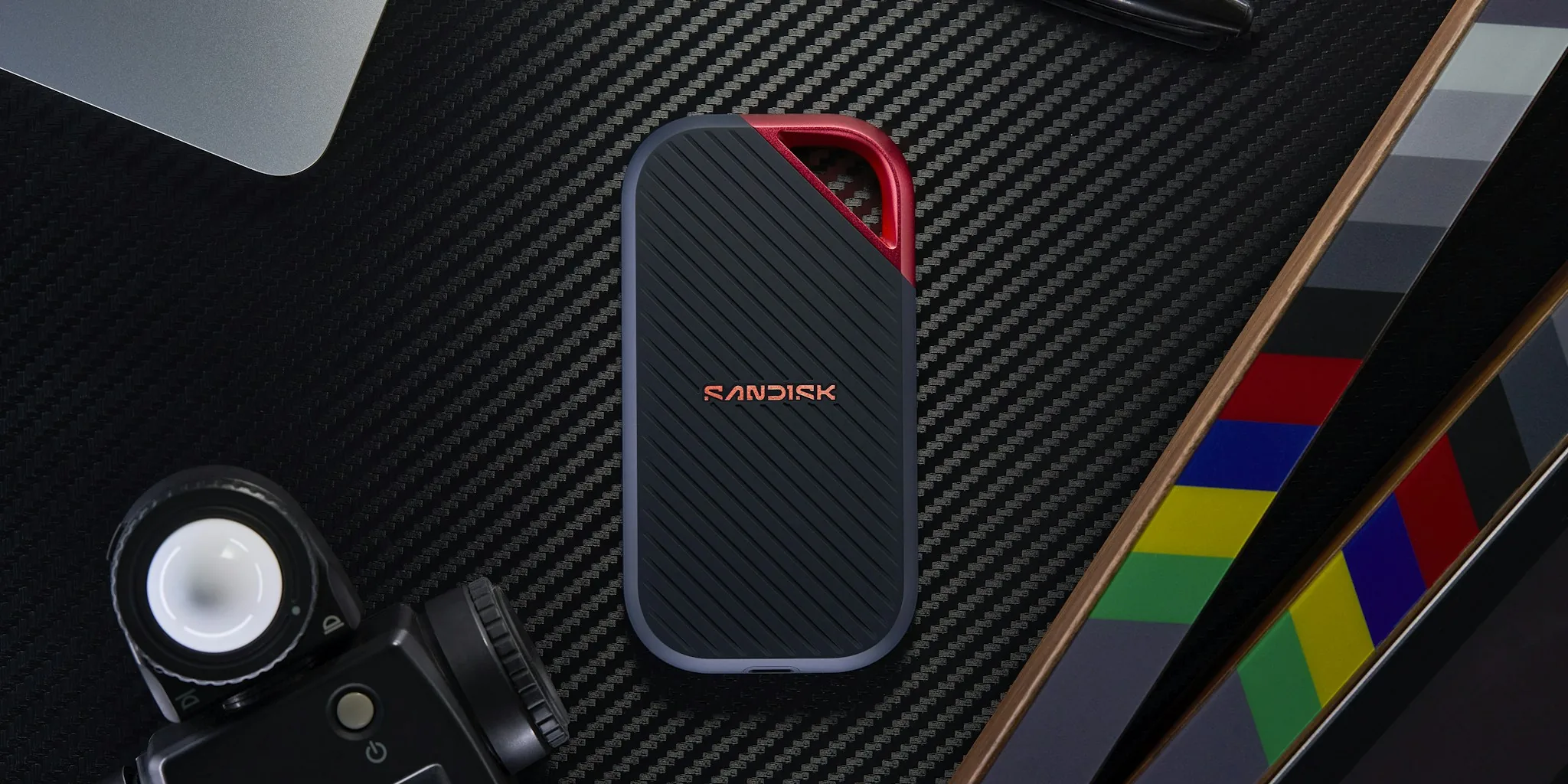
Lexar has unveiled the Muse, which the company claims is the world’s thinnest portable SSD, and it represents a puzzling direction for the storage industry. At just 3.8mm at its thickest point and tapering to 1mm at the edges, the Muse achieves its ultra-slim profile through unconventional design choices that ultimately complicate everyday use rather than simplify it. The drive is scheduled to arrive in Q4 2026, available in 512GB and 1TB capacities.
From a performance standpoint, the Muse delivers specs comparable to mainstream portable drives. It provides sequential read speeds of 1,050MB/s and write speeds of 1,000MB/s, making it capable of handling 4K120 ProRes video content without issue. These numbers align with what consumers expect from current-generation portable storage solutions. However, the pursuit of thinness forces trade-offs that matter far more to actual users than millimeters of thickness ever will.
The Connector Problem
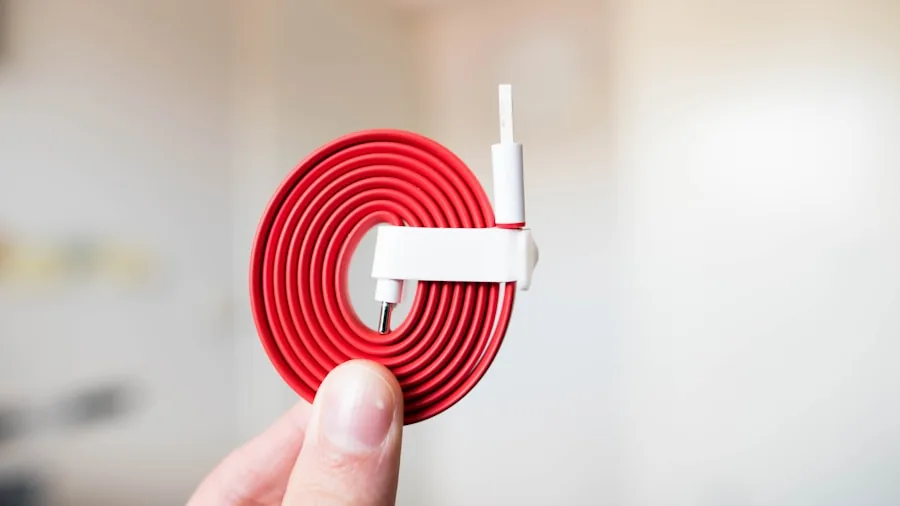
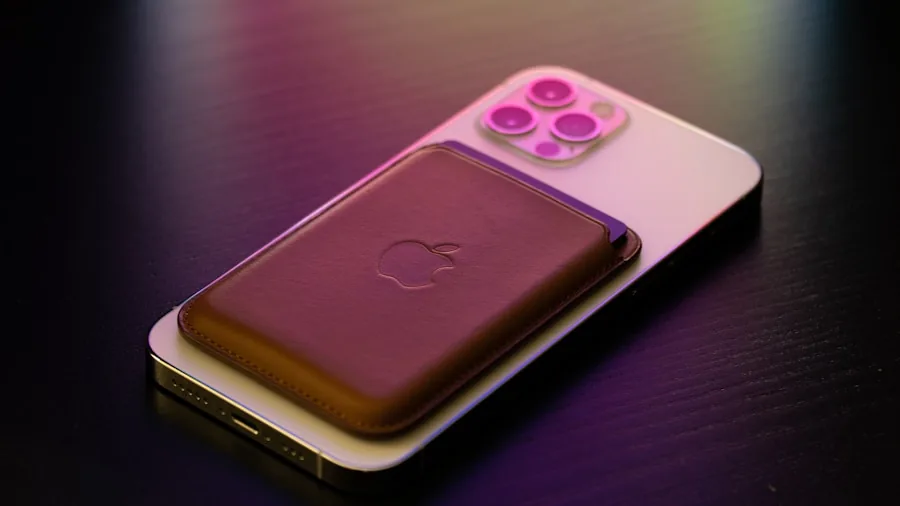
Instead of adopting the universal USB-C standard found on virtually every other portable SSD, Lexar chose a proprietary PogoPin magnetic connection system. This design decision means users must rely on a bundled cable that will inevitably remain forgotten on desks or in homes when mobility is needed most. The drive lacks integrated magnets, requiring a separate magnetic carry sleeve for attachment to smartphones. This transforms what should be a simple storage solution into a three-component ecosystem: the SSD itself, the magnetic sleeve, and the proprietary cable.
Lexar’s marketing emphasizes reducing bulk and cable clutter, yet the Muse arguably creates more friction in daily use. A standard portable SSD with USB-C connectivity requires only the drive itself and whatever cable is already standard in most tech collections. The Muse introduces dependency on proprietary accessories that serve little practical benefit beyond aesthetics.
Thermal Management Concerns
The most serious unaddressed question surrounding the Muse involves heat dissipation. Portable SSDs generate considerable thermal output during sustained data transfers. A sealed chassis with minimal internal volume provides nowhere for this heat to escape. Traditional portable SSDs for professional workflows incorporate design elements that allow airflow and heat dispersal, preventing performance throttling during intensive work sessions. The Muse’s extreme thinness essentially seals heat inside the device, likely resulting in elevated operating temperatures that could impact both performance and component longevity over time.
Professionals who regularly transfer large video files or backup substantial data volumes need drives that remain cool under load. A drive that gets excessively hot may throttle performance or suffer accelerated wear, counteracting any perceived benefit from thinness.
What Buyers Should Actually Prioritize
For most users, the practical characteristics that matter in a portable SSD remain unchanged: fast, reliable data transfer and robust physical durability. Many professionals prefer drives with thicker, more protective casings because they withstand drops, pressure, and environmental stress. A chunky, reinforced portable SSD represents a smarter long-term investment than a fragile, paper-thin alternative that requires babying and accessory management.
The industry’s obsession with making everything incrementally thinner often overlooks genuine user needs. When choosing a portable SSD, storage capacity, transfer speeds, build quality, and warranty coverage should outweigh physical dimensions by a considerable margin. Consumers can find dependable portable drives in various sizes that remain affordable and feature-rich without compromising on durability.
Pricing Expectations
Lexar has not disclosed pricing for the Muse, though the unconventional design and proprietary ecosystem suggest a premium price point. Early adopters should expect to pay significantly more than comparable conventional portable SSDs with identical performance specifications. The additional cost would cover the proprietary connector, magnetic sleeve, and specialized cable rather than substantial performance or capacity advantages.
The Bottom Line for Shoppers
The Muse represents a solution searching for a problem that doesn’t actually exist at scale. Most users already find existing portable SSDs sufficiently compact and lightweight. The added complexity of managing proprietary connectors, dedicated cables, and magnetic sleeves introduces practical friction without meaningful benefit. Thermal management questions remain unanswered heading into launch.
Before investing in extreme industrial design, consumers should evaluate whether they genuinely need ultrathin storage or whether they simply need reliable, fast, durable performance. For the overwhelming majority of photographers, videographers, and everyday computer users, traditional portable SSDs with USB-C connectivity and robust physical construction will continue delivering superior real-world value. The Muse’s 2026 arrival gives shoppers ample time to consider whether the appeal of thinness justifies the practical compromises it demands.
About the author
Kevin is REMOVU's SSD writer, comparing NVMe and SATA drives on speed, endurance, and price per gigabyte. He helps readers pick the SSD that delivers the biggest real-world speed boost for their PC.