Motorola Moto Watch Ultra Launch: What Buyers Should Know
Motorola returns to premium smartwatches with the Moto Watch Ultra, featuring Wear OS, cellular connectivity, and competitive pricing.
 By Kristen Jennings
Updated September 3, 2026
By Kristen Jennings
Updated September 3, 2026
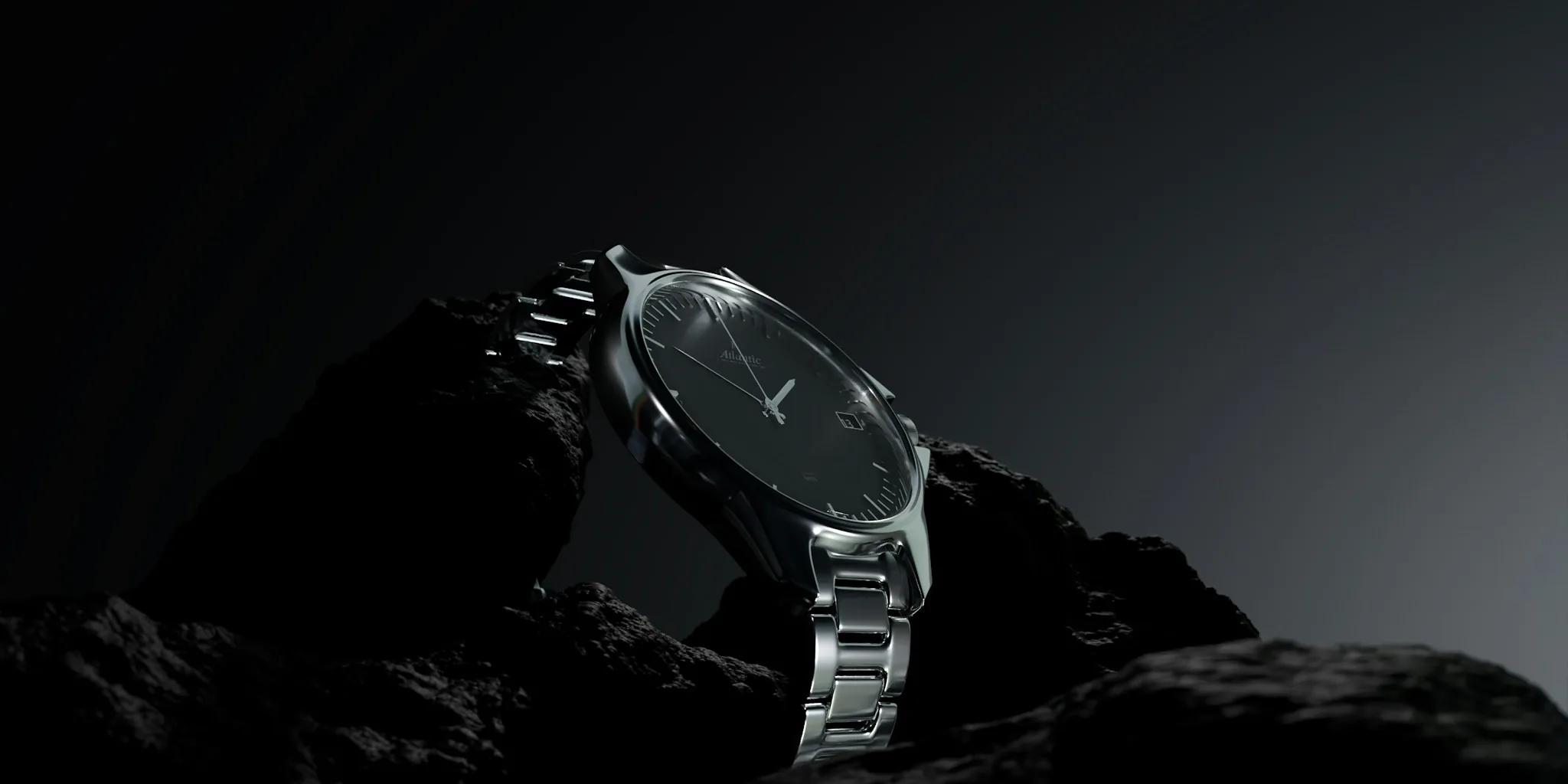
Motorola has officially entered the premium smartwatch market once again with the introduction of the Moto Watch Ultra, unveiled at IFA 2026 in Berlin. This marks a significant return for the company to the high-end wearable segment, a category Motorola largely abandoned after 2016. While the Moto 360 brand made a comeback in 2019, it operated under license through a third-party manufacturer. The Moto Watch Ultra represents Motorola’s direct commitment to competing with established premium smartwatch makers, and it arrives with specifications and features designed to appeal to consumers seeking a capable device without the premium price tag of top competitors.
Unlike earlier 2026 Motorola watch models that rely on proprietary software platforms, the Moto Watch Ultra runs Wear OS by Google. This choice opens the door to a full ecosystem of applications and services. Users gain access to the Google Play Store, enabling downloads of apps like Google Maps, Google Messages, YouTube Music, and the AI assistant Gemini. For many shoppers, this Google integration matters significantly because it ensures compatibility with a wide range of third-party applications and familiar services that smartphone users already depend on daily.
The hardware design reflects the Ultra positioning. The watch features a 46mm stainless steel case paired with a 1.5-inch OLED display capable of reaching 2,700 nits of brightness. This brightness level matters for outdoor visibility and readability in sunlight, a common frustration with dimmer smartwatches. The display supports an always-on mode, allowing the time and key information to remain visible without raising your wrist. For customization, the watch uses standard 22mm bands, meaning owners can swap out the stock strap for third-party options from countless manufacturers, keeping the device fresh and personal.
Durability ratings suggest this watch can handle demanding environments. The Moto Watch Ultra carries both IP68 and 5ATM certifications, with the 5ATM rating indicating the device can withstand water pressure equivalent to depths of 50 metres under Motorola’s test conditions. Gorilla Glass 3 protects the display from scratches and minor impacts. These specifications make the watch suitable for swimming and water sports, positioning it within the broader category of smartwatches for swimming and active lifestyles.
Connectivity and Health Tracking Features
The Moto Watch Ultra includes LTE eSIM support, a feature that sets it apart from many competitors at this price level. With cellular capability, the watch can make and receive phone calls, send text messages, and manage notifications independently of a paired smartphone. This independence appeals to people who want the freedom to leave their phone behind during workouts or everyday activities. The watch also features dual-band GPS for accurate location tracking and Google Wallet integration for contactless payments at retailers that accept NFC transactions.
Health and fitness tracking comes through a partnership with Polar, a company known for expertise in sports science. The Sleep Plus Stages feature breaks down sleep into light, deep, and REM stages, providing detailed insights into sleep architecture. Nightly Recharge assesses sleep quality and recovery of the autonomic nervous system, metrics that appeal to athletes and fitness enthusiasts. Additional tools track activity intensity, burned calories, breathing exercises, and include guided running and walking workouts through Running Coach. For users with compatible Motorola and Lenovo devices, Motorola Qira connectivity offers additional integration possibilities. A Snapdragon W5+ Gen 1 processor handles the computational demands of these features smoothly.
Battery Life and Pricing Context
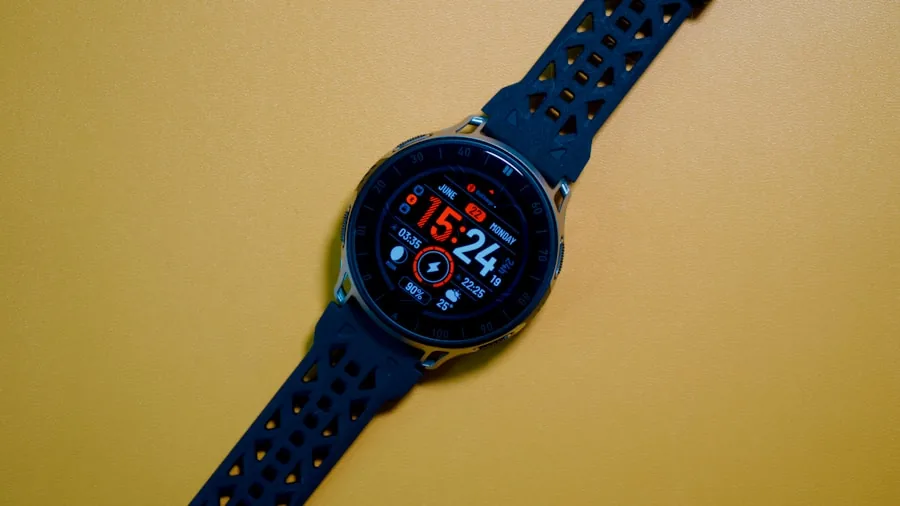
Battery endurance represents a critical consideration for smartwatch shoppers. Motorola claims the Moto Watch Ultra delivers up to two days of use with the always-on display turned off. With the always-on feature active, real-world battery life will be shorter, though Motorola notes that a 15-minute charge provides enough power for approximately 24 hours of operation. Actual endurance depends heavily on individual settings and usage patterns, so these figures should be treated as best-case scenarios rather than guarantees.
On the pricing front, the Moto Watch Ultra launches at €429, a positioning that undercuts some key competitors while remaining accessible to premium-focused buyers. At this price point, it comes in €10 below Samsung’s Galaxy Watch 9 and sits €10 above Google’s recently released Pixel Watch 5. For American consumers, this European pricing typically translates to similar USD amounts, making it competitive within the smartwatch market when converted. The watch will roll out across Europe, the Middle East, Latin America, North America, and Asia-Pacific over the coming weeks, so availability should expand broadly in the near term.
For shoppers evaluating premium smartwatches, the Moto Watch Ultra presents a genuine alternative that combines Google’s software ecosystem, robust health tracking through Polar partnership, LTE connectivity, and durable construction at a price point that undercuts some established competitors. Whether you prioritize app variety, fitness metrics, water resistance, or cellular independence, this launch gives buyers another serious option to evaluate in the competitive wearable space.
About the author
Kristen writes about smartwatches for REMOVU, comparing features, battery life, and ecosystem fit. She helps readers tie together health tracking, notifications, and apps on the right watch.