Historic Apple 1 Motherboard Going to Auction: What Collectors and Tech Enthusiasts Should Know
Historic Apple 1 motherboard signed by Wozniak going to Bonhams auction with $500K-$800K estimate, includes Steve Jobs letter.
 By Ken Mendoza
Updated September 3, 2026
By Ken Mendoza
Updated September 3, 2026
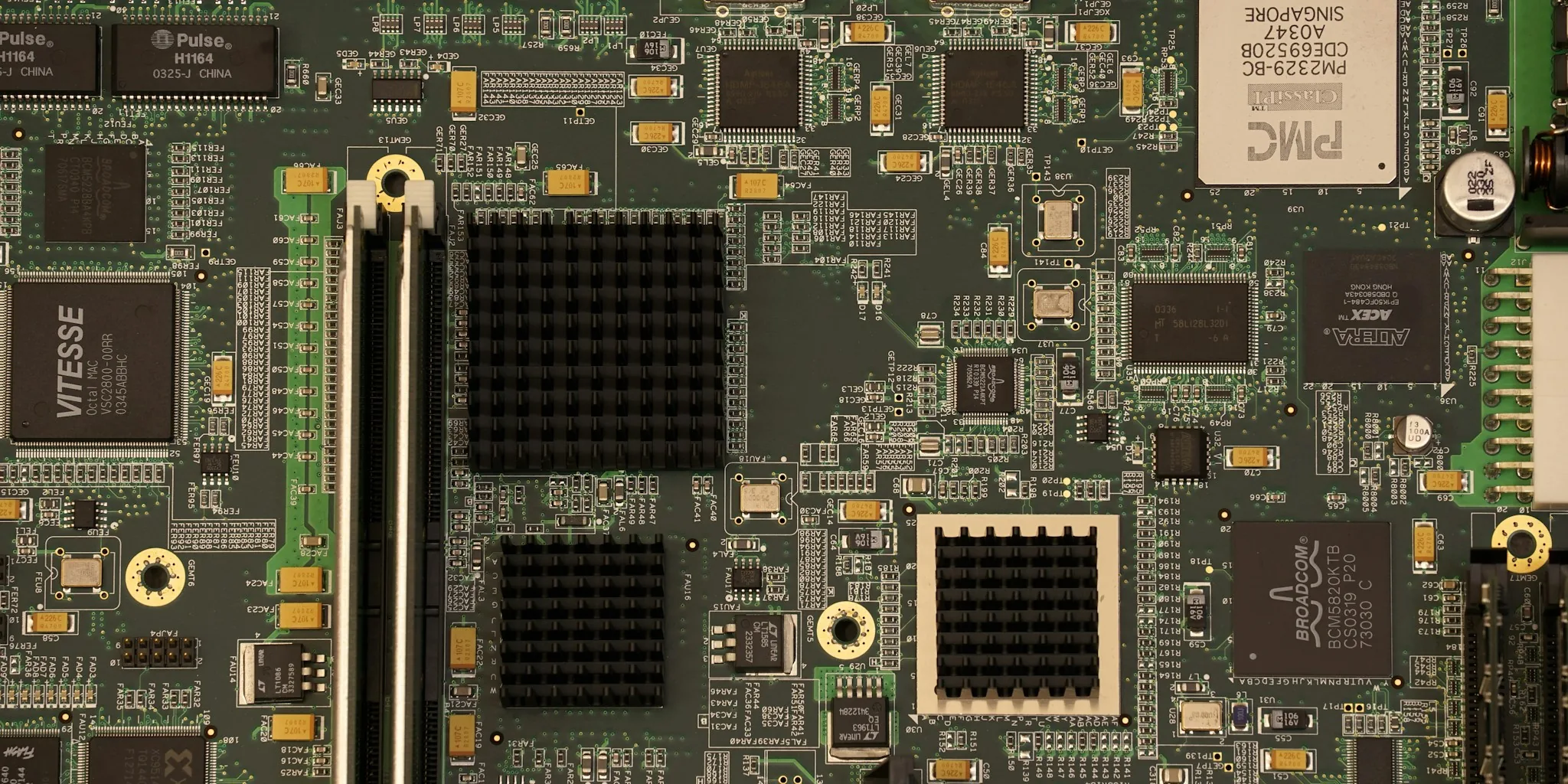
A remarkably preserved Apple 1 computer motherboard signed by Steve Wozniak is heading to the auction block in October, with an estimated value between $500,000 and $800,000. This extraordinary piece of computing history offers a fascinating glimpse into the origins of personal computing and what early computer design looked like before the industry standardized around modern motherboard architecture.
The motherboard being auctioned is labeled “Apple Computer 1 / Palo Alto, Ca. Copyright 1976” and comes from the second batch of Apple 1 units manufactured. Unlike many historical artifacts that sit dormant in collections, this particular board is fully functional and ready to operate. It features the original white ceramic MOS Technology 6502 microprocessor, keyboard interface connector, three original Sprague “Big Blue” capacitors, 8KB of RAM, expansion connector, and a cassette board connector. The sale also includes an original Apple 1 Cassette Interface board, period-appropriate monitor, cassette recorder, ASCII keyboards, and a collection of original manuals from the late 1970s.
What makes this auction particularly significant is the inclusion of a handwritten letter from Steve Jobs dated 1978. Jobs signed the letter offering to exchange the original Apple 1 for an Apple II 4k board after the original owner complained about limited software availability. The letter includes Jobs’ title at the time: Vice President, Operations of Apple Computer Inc. This documentation provides direct evidence of how the company addressed customer concerns during its earliest years.
The owner of this system, Fred Hatfield, purchased his Apple 1 in 1976 from a Columbus, Ohio computer retailer after seeing it demonstrated at local Homebrew Computer Club meetings and the Byte Shop. Fewer than 200 Apple 1 systems were ever manufactured, making any surviving unit exceptionally rare. Units designed and hand-built by Steve Wozniak carry particular significance among collectors and technology historians.
This specific “Hatfield” Apple 1 previously sold at auction in 2013 for $686,000, demonstrating the sustained demand for original Apple hardware among serious collectors. The current estimate of $500,000 to $800,000 reflects the market for such artifacts, though auction estimates are sometimes set conservatively to attract broader bidding. The sale will take place at Bonhams in New York between October 4 and 14 as part of their History of Science, Technology and Computing auctions, with online bidding available.
For shoppers interested in understanding how motherboards function, examining an original Apple 1 board reveals the fundamental principles that remain relevant in modern component design. The 6502 processor, memory configuration, and connector layout represent early solutions to questions that computer engineers still address today: how to organize components for efficient power delivery, signal routing, and expansion capability.
The inclusion of original manuals, particularly the Preliminary Apple BASIC Users Manual with its distinctive green coversheet bearing Apple’s original Newton logo, offers insight into how the company educated early users. These materials document the learning curve required to operate computers when graphical interfaces did not exist and programming required direct knowledge of machine commands.
For technology enthusiasts without auction house budgets, examining high-resolution documentation of systems like this Apple 1 provides educational value. Understanding how early engineers solved component placement and signal integrity challenges informs appreciation for modern motherboard design improvements. Contemporary boards incorporate lessons learned from decades of iteration, advanced manufacturing techniques, and standardized protocols that were simply unavailable in 1976.
The upcoming auction represents one of the rare opportunities to acquire a Wozniak-signed Apple 1 with accompanying Jobs correspondence. Collectors who have pursued original Apple hardware recognize that systems with full documentation, working condition verification, and owner provenance command significant premiums. The expected price reflects not just the rarity of the hardware itself but also its completeness as a historical package with original accessories and authentic period documentation.
Bidding in such auctions typically involves serious collectors, technology museums, and institutions focused on preserving computing history. The online format means interested parties from anywhere in the United States can participate, though the commitment required remains substantial. Previous sales of comparable systems suggest strong competition is likely, potentially pushing the final price toward or beyond the upper estimate.
About the author
Ken covers motherboards for REMOVU, comparing features, power delivery, and value across sockets. He helps builders pick a solid foundation with room to upgrade.