How to Set Up a Digital Disaster Plan to Protect Against AI-Powered Cyberattacks
Protect against advanced cyberattacks with a practical digital disaster plan every household should implement now.
 By Ava Herrera
Updated September 2, 2026
By Ava Herrera
Updated September 2, 2026
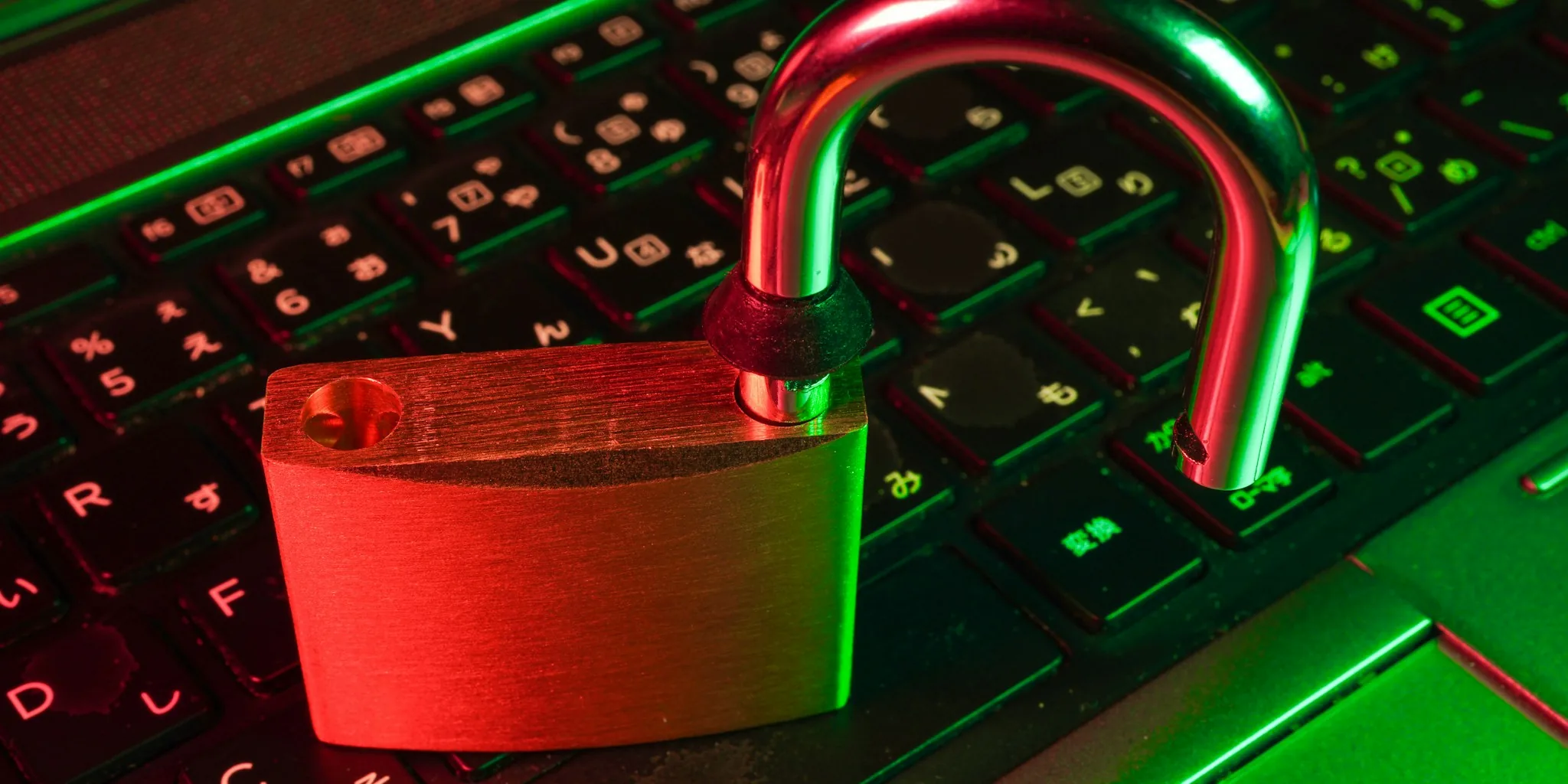
Cyberattacks are becoming more sophisticated and faster than ever before. With artificial intelligence accelerating threat development, protecting your digital life requires the same intentional planning you’d apply to physical emergencies. A comprehensive digital disaster plan isn’t optional anymore, it’s essential for defending your accounts, finances, and personal information.
Strengthen Your Authentication Methods
The foundation of account security starts with stronger passwords. Each of your online accounts needs its own unique, complex password that you don’t reuse across platforms. A password manager eliminates the burden of remembering dozens of different credentials while ensuring each one meets security standards.
Beyond passwords, two-factor authentication (2FA) adds a critical second layer of protection. Not all 2FA options are equal, however. The strongest methods include authenticator apps that generate one-time codes or hardware security keys. If those feel cumbersome, passkeys represent a modern alternative that actually surpass traditional passwords in security when properly implemented. Avoid relying solely on SMS text messages for 2FA, as phone-based codes remain vulnerable to interception.
Diversify Your Digital Infrastructure

The principle of not putting all your eggs in one basket applies directly to digital security. Spread your vulnerability across multiple accounts and services rather than consolidating everything in one place.
Consider maintaining separate email addresses for different purposes: one for general correspondence, another exclusively for sensitive financial and healthcare accounts. Having multiple bank accounts gives you the option to quickly freeze assets if suspicious activity occurs. Some security-conscious individuals even maintain a backup phone at home pre-configured with essential apps and authentication tools, ready to use if primary devices become compromised.
When storing critical files in the cloud, distribute them across multiple backup accounts rather than relying on a single service. This is especially important for irreplaceable items like family photos and personal documents. While end-to-end encrypted email isn’t strictly necessary for banking or medical communication, it adds an extra layer of privacy that costs nothing to implement.
Practice Safe Digital Habits
Daily online behavior significantly impacts your security posture. Avoid downloading pirated software or visiting websites that offer free versions of paid products, as these sources frequently harbor malware. Keep antivirus and security software current with regular updates, which patch vulnerabilities before attackers can exploit them.
Always navigate directly to official websites when accessing your accounts rather than clicking links in emails or text messages. Similarly, contact your bank or service provider using phone numbers listed on official statements or websites, not numbers from suspicious messages. This approach bypasses phishing attempts that impersonate legitimate companies.
Browser extensions and third-party applications pose particular risk in today’s threat landscape. Stick to extensions and programs that reputable security reviewers recommend. Even legitimate extensions can be compromised and hijacked to distribute malware to users. Regularly audit your installed extensions and applications, removing anything you no longer actively use. Maintaining secure offline backups alongside your digital security measures ensures you can recover data even if online services become unavailable.
Implement Institutional Safeguards

If you live in the United States, take advantage of statutory protections available to you. You can place a freeze on your credit reports through all four major credit bureaus, preventing criminals from opening fraudulent accounts in your name. This freeze remains in place indefinitely until you choose to remove it.
The IRS offers an additional layer of protection through Identity PINs. Creating an Identity PIN with the IRS ensures that no one else can file a tax return using your Social Security number, a common tactic among identity thieves. This government-backed protection can save you from years of tax complications. Setting up comprehensive security measures across all your digital platforms should include these government-backed protections as foundational elements.
Prepare for Emerging Threats
Artificial intelligence is currently in its early stages, and the direction of AI-powered threats remains uncertain. Security professionals consistently report that criminals maintain an advantage in the ongoing cat-and-mouse game of cybersecurity. This imbalance may eventually push people back toward analog methods for high-risk transactions, such as conducting major financial activities in person at bank branches rather than online.
Until the landscape stabilizes, preparation is your best defense. Think of digital disaster planning with the same gravity you’d apply to physical emergency preparedness. Keep your security measures in place, stay informed about emerging threats, and regularly review your protective systems. Your digital life deserves the same intentional protection you’d extend to your physical possessions and family.
About the author
Ava is REMOVU's laptop writer, balancing speed, battery life, and build quality against price across the whole range. She helps readers find the sweet spot as each new chip shifts what a dollar buys.