Apple Expands Supply Chain Worker Education in Vietnam: What It Means for Shoppers
Apple opens Vietnam education center to train supply chain workers in technical and leadership skills.
 By Ava Herrera
Updated August 27, 2026
By Ava Herrera
Updated August 27, 2026

Apple has announced a major expansion of its worker education initiatives by opening a new Apple Education Center in Vietnam, marking a significant step in the company’s commitment to improving conditions across its manufacturing network. This development reflects Apple’s broader strategy to diversify production away from China and strengthen its presence in Southeast Asia, while simultaneously investing in the people who make its devices.
The new center, developed in partnership with Hanoi University of Science and Technology, represents an expansion of Apple’s Supplier Employee Development Fund, a $50 million program launched in 2022. The initiative was created in response to growing concerns about worker welfare throughout Apple’s supply chain. By establishing this physical hub in Vietnam, Apple is deepening its investment in skills development and worker rights across one of its most important manufacturing regions.
What the Program Offers Workers
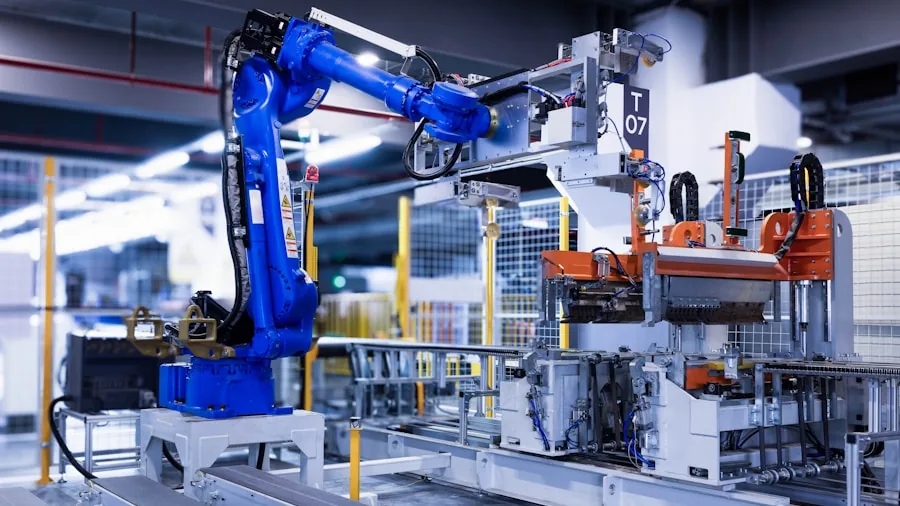
The education center provides workers with access to specialized technical training that prepares them for modern manufacturing environments. Programs focus on in-demand skills including smart manufacturing fundamentals, robotics, and automation technology. Beyond technical knowledge, the center delivers comprehensive professional development coursework that emphasizes leadership abilities and soft skills training, enabling employees to either advance within their current roles or pursue entirely new career paths.
This multifaceted approach recognizes that worker development extends beyond technical competency. The program includes training on workplace rights and dignity, addressing concerns that have historically surrounded electronics manufacturing. By partnering with leading rights organizations, universities, and nonprofit groups, Apple aims to create systemic improvements in how supply chain employees are treated and trained across the entire industry.
Scale and Global Impact

The Supplier Employee Development Fund has already demonstrated significant reach. Globally, the program has delivered 9 million training sessions to date, with 108,000 supply chain workers participating in specialized Swift coding education. These numbers underscore Apple’s commitment to moving beyond symbolic gestures toward meaningful, large-scale workforce development.
The Vietnam expansion mirrors a similar initiative rolled out in India earlier this year, suggesting that Apple is systematically building education infrastructure across its key manufacturing regions. This strategic approach ensures that as the company diversifies its production footprint to reduce dependence on any single country, worker development remains a priority in each location.
Why This Matters for Consumers
For shoppers, this expansion carries several important implications. First, it signals that Apple is taking seriously its responsibility to the people who manufacture its products. A better-trained, better-supported workforce can lead to improved product quality and more stable supply chains, which ultimately benefits consumers through more reliable product availability and fewer delays.
Second, the focus on worker rights and dignity addresses ethical concerns that many consumers hold about electronics manufacturing. As technology becomes increasingly integrated into daily life, consumers are more aware than ever of the conditions under which their devices are made. Programs like this demonstrate that major manufacturers can invest in their workers while remaining competitive.
Third, the expansion into Vietnam reflects broader supply chain diversification that matters to everyone who buys electronics. By developing manufacturing and training infrastructure in multiple countries, Apple reduces the risk of supply disruptions stemming from geopolitical tensions or regional issues. A more resilient supply chain means consumers face fewer product shortages and price volatility.
The Bigger Picture
Apple’s education investment also sets an example for other tech companies. When major manufacturers prioritize worker development and rights, it can create upward pressure on industry standards. Competitors may feel compelled to improve their own practices to remain attractive employers and maintain their reputation with consumers.
The Vietnam center also reflects the evolving geography of global electronics manufacturing. As companies seek alternatives to over-reliance on Chinese production, Southeast Asian countries like Vietnam are becoming increasingly important. Investing in workforce education in these regions makes economic sense for manufacturers while contributing to local economic development and opportunity.
Vietnam’s growing role as a manufacturing hub matters to anyone who uses Apple products or follows consumer technology. The country offers advantages including lower labor costs, proximity to other Southeast Asian markets, and a young, growing workforce. By establishing educational partnerships there, Apple is essentially building the foundation for its future manufacturing presence while demonstrating commitment to continuous improvement in how it treats workers.
The expansion of the Supplier Employee Development Fund shows that Apple recognizes the connection between worker welfare and business success. As supply chains become more complex and globally distributed, the human element remains crucial. Workers who receive education and training, who understand their rights, and who see a path for career advancement, are more engaged and productive. This benefits Apple, but it also benefits consumers who depend on quality products and stable availability.
Looking ahead, watch for similar announcements from Apple and other major technology companies as they continue building manufacturing capacity outside China. Worker education and rights initiatives are likely to become increasingly central to how companies differentiate themselves and build sustainable long-term operations in new markets.
About the author
Ava is REMOVU's laptop writer, balancing speed, battery life, and build quality against price across the whole range. She helps readers find the sweet spot as each new chip shifts what a dollar buys.