Apple Announces New Mac Mini With M6 and M5 Pro Chips What Shoppers Should Know
Apple unveiled refreshed Mac mini models with powerful M6 and M5 Pro chips. Here's what the specs mean for you.
 By Ava Herrera
Updated August 25, 2026
By Ava Herrera
Updated August 25, 2026
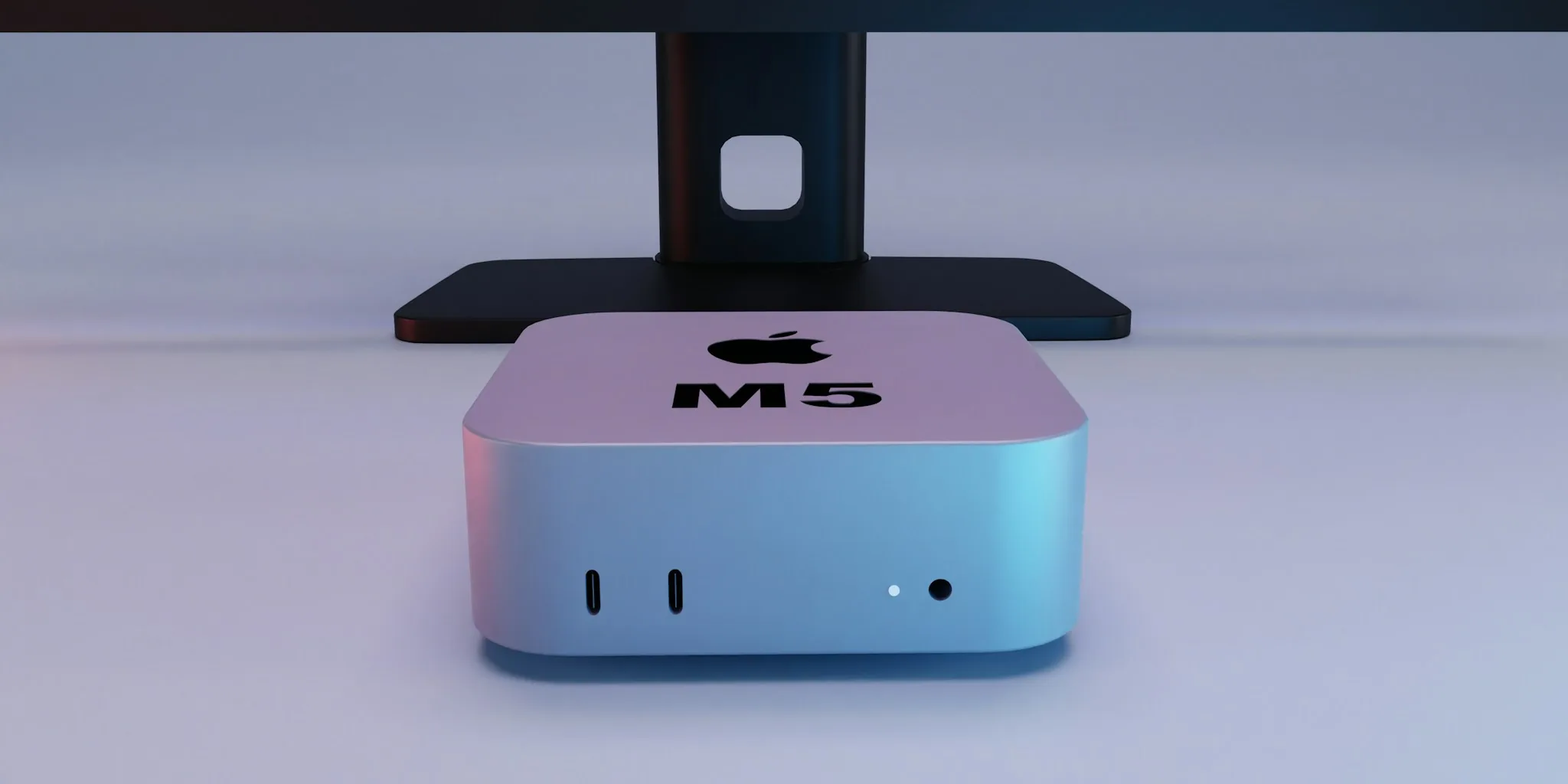
Apple has unveiled its latest Mac mini lineup, offering customers two powerful processor options in what marks a significant upgrade for the compact desktop market. The company introduced models featuring the brand-new M6 chip alongside the M5 Pro variant, giving buyers a choice between cutting-edge performance and premium capabilities.
What Changed in the New Mac Mini
The M6 chip represents a substantial leap forward in processing power. This new processor brings a 12-core CPU and 12-core GPU, an increase from the previous generation’s 10-core configuration on both fronts. One of the most significant upgrades involves the Neural Engine, which now features dual 16-core engines instead of a single 16-core design, doubling performance for artificial intelligence tasks.
Compared to the older M4 model, the M6 delivers up to 40 percent faster CPU performance, up to four times faster processing for AI-related workloads, up to twice the graphics speed, and up to twice the storage velocity. These improvements address growing demand for machines capable of handling demanding creative work, software development, and increasingly, AI-powered applications.
Pricing and Availability for Buyers
Apple positioned the M6 model to start at $899 in the United States, while the more advanced M5 Pro version begins at $1,699. Pre-orders opened immediately upon announcement, with shipments and retail availability beginning September 22. This pricing strategy represents an increase from previous entry-level pricing, a shift that reflects both increased memory allocations and technological advancement in the industry.
The timing matters for potential buyers. Since technology announcements often signal market shifts, the September launch window gives consumers several weeks to decide whether to purchase now or wait for potential alternatives during the autumn season.
Who Should Consider This Upgrade
Small business owners and creative professionals represent the primary audience for this refresh. The M6 chip’s enhanced AI capabilities make it particularly suited for developers experimenting with machine learning, designers working with resource-intensive software, and content creators producing video or 3D renders. The compact form factor appeals to users with space constraints who need desktop-class performance without the footprint of larger systems.
Existing Mac mini owners using older M4 models may see meaningful benefits in real-world productivity gains, particularly if their workflows involve video editing, image processing, or software compilation. However, those with current-generation machines may find the upgrade less urgent unless specific AI features or applications demand the newer architecture.
Market Context and Manufacturing
Apple’s manufacturing approach adds context to this announcement. The company operates an Advanced Manufacturing Center in Houston, Texas, where it plans to produce the new Mac mini alongside existing server manufacturing operations. This domestic production capacity signals Apple’s commitment to the product line and may influence long-term availability and potential future pricing strategies.
The rapid succession of Mac announcements this year, including the Mac Studio refresh and various MacBook updates, indicates Apple’s focus on its computer product ecosystem. Tech enthusiasts often compare performance benchmarks across product categories to determine value, and the Mac mini’s competitive positioning within Apple’s own lineup matters for purchase decisions.
Storage and Memory Considerations

The base M6 configuration includes 256GB of storage, a specification that some users consider minimal for modern workflows involving large video files, software libraries, or databases. Buyers planning to install creative applications, maintain media collections, or run virtual machines should evaluate whether the starting storage capacity meets their needs or requires paid upgrades at configuration time.
Unified memory architecture across both M6 and M5 Pro chips means data flows more efficiently between CPU and GPU components compared to traditional separate memory systems. This architectural advantage benefits users running AI applications, compiling code, or working with large datasets.
Looking Ahead
As technology releases continue through autumn, consumers should consider whether the Mac mini’s September availability aligns with their project timelines. The M6’s AI capabilities position it well for future software updates that may leverage these features more extensively as developer tools mature.
For users currently shopping for a compact desktop computer, the new Mac mini offers meaningful performance improvements and relevant AI tools at a defined price point. Comparing specifications against previous generations and assessing individual workflow requirements remains the most practical approach to determining value for your specific situation.
About the author
Ava is REMOVU's laptop writer, balancing speed, battery life, and build quality against price across the whole range. She helps readers find the sweet spot as each new chip shifts what a dollar buys.