MSI Z890 Motherboard Launch: Which Model Fits Your Gaming Build
Three new Z890 models offer pathways from budget gaming to enthusiast power. Which tier matches your build?
 By Ken Mendoza
Updated August 24, 2026
By Ken Mendoza
Updated August 24, 2026
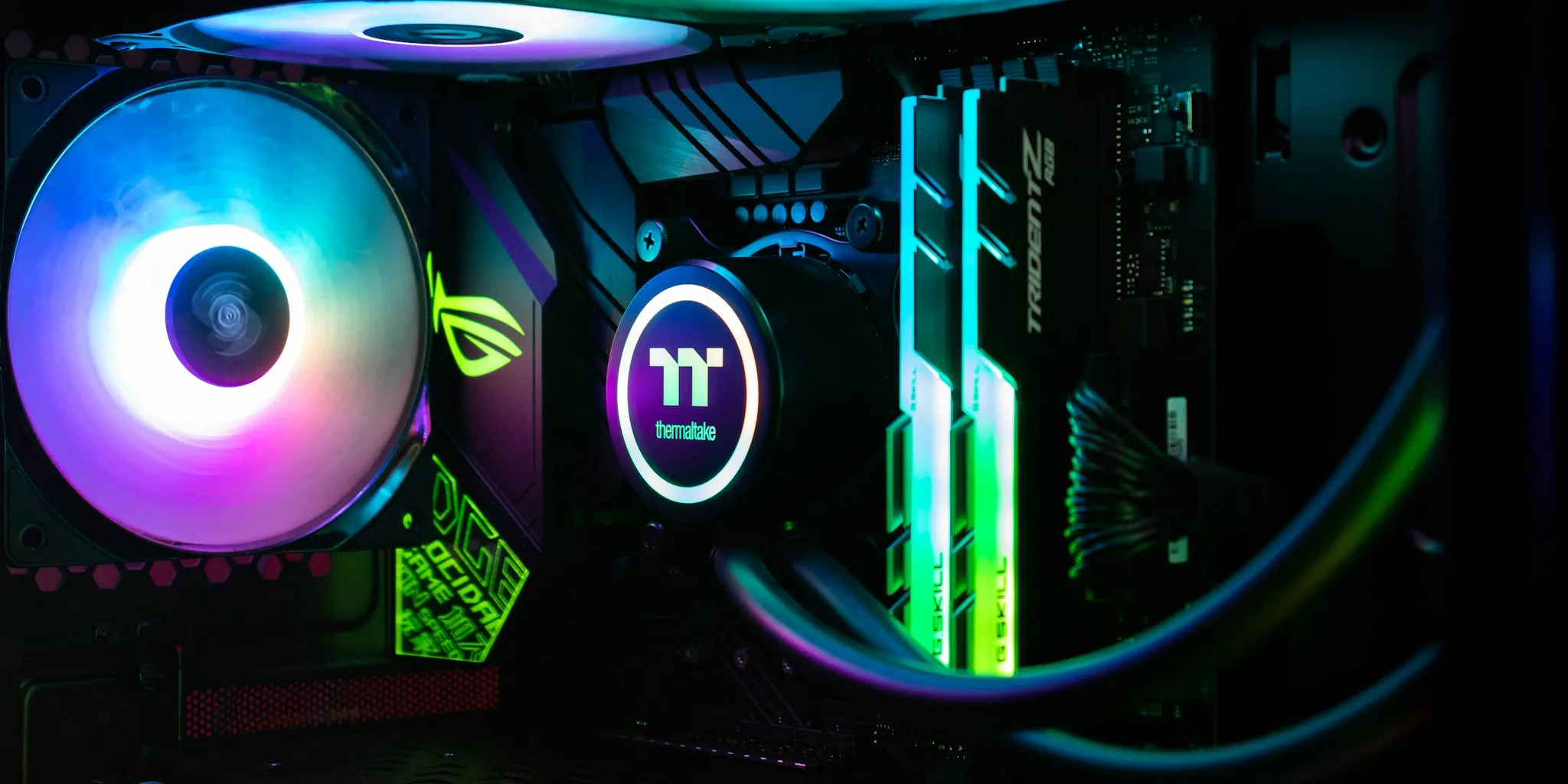
MSI Launches Z890 Motherboard Lineup for Intel’s Newest Processors
MSI has introduced three new Z890 motherboards designed to work with Intel’s latest Core Ultra 200S processors, each targeting different types of builders. The MEG Z890 ACE, MPG Z890 CARBON WiFi, and MAG Z890 TOMAHAWK WiFi II represent distinct tiers across the company’s new platform, offering shoppers clearer pathways to match motherboard features with their actual needs and budgets.
What makes this launch significant is not just the availability of new hardware, but the recognition that motherboard selection involves real trade-offs. Unlike upgrading a graphics card or storage drive, choosing the right motherboard requires understanding how power delivery, cooling capacity, expansion slots, and networking options will serve your system over multiple years. This is especially true when pairing a motherboard with a modern processor that demands stable power delivery and thermal management during intensive workloads.
Three Distinct Options for Different Builder Priorities
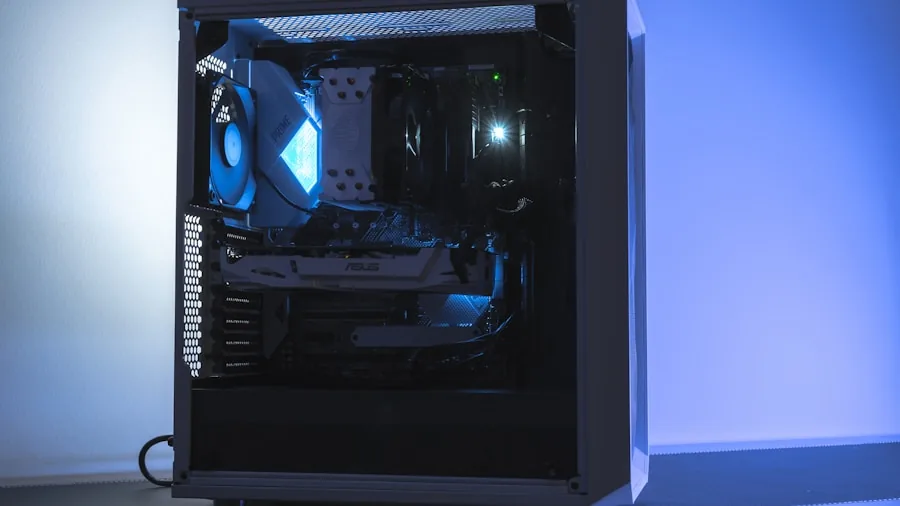
All three models share a common foundation: support for Intel Core Ultra 200S processors, DDR5 memory compatibility, Wi-Fi 7 connectivity, and PCIe 5.0 on primary graphics slots and M.2 drives. The differences become apparent once you examine power delivery systems, expansion capacity, and networking features.
The MEG Z890 ACE targets enthusiasts and power users. Its substantial voltage regulator module design uses the highest power stages of the lineup and includes premium thermal cooling architecture. This board includes five M.2 expansion slots for multiple SSDs, dual Thunderbolt 4 ports, and a 10-gigabit Ethernet port that proves valuable for creators moving large files across local networks. The ACE also provides sufficient overhead for users interested in overclocking and pushing processors beyond stock settings.
The MPG Z890 CARBON WiFi occupies the middle ground with a visual design that stands out from typical gaming boards. It features the same 110-ampere power stages found on the ACE, making it capable of supporting high-performance processors and light overclocking exploration. This model includes five M.2 slots, dual Thunderbolt 4 ports, and dual Ethernet connectivity combining 5GbE and 2.5GbE options. The carbon-inspired aesthetic and customizable RGB lighting appeal to builders who want their platform to match their case and component selection.
The MAG Z890 TOMAHAWK WiFi II focuses on dependable performance and value. Its 90-ampere power delivery stages provide stable power for extended gaming sessions without the premium pricing of higher-tier models. Four M.2 expansion slots, with one supporting PCIe Gen 5 speeds, offer room to grow your game library over time. The board includes 5GbE networking and Thunderbolt 4 support, keeping it compatible with modern peripherals and networks.
First-time builders especially benefit from the TOMAHAWK WiFi II’s design choices. A pre-installed I/O shield eliminates one common assembly mistake, screwless M.2 installation simplifies future upgrades, and a single-button PCIe release makes graphics card removal straightforward. Debug LEDs help diagnose issues if your system doesn’t boot on the first attempt, reducing the intimidation factor for newcomers to PC building.
What This Launch Means for Your Next Build
The release of these three models addresses a real challenge that PC builders face: deciding how much to invest in motherboard features today to avoid future upgrades. A value-focused gamer may never need a 10-gigabit Ethernet port or five M.2 slots, making the additional cost of the ACE wasteful. Conversely, a video editor or content creator would benefit from the ACE’s expanded storage and networking capabilities, justifying the premium investment.
Understanding your actual use case over the next several years matters more than chasing specifications you won’t use. A motherboard under $200 like the TOMAHAWK WiFi II provides everything needed for stable, enjoyable gaming performance. If you plan to experiment with overclocking or need substantial expansion capacity, the CARBON WiFi or ACE become more logical choices. Explore detailed motherboard options and comparisons to see where each model fits within the broader market.
All three boards support the same modern platform features, meaning you won’t sacrifice core performance by choosing a more modest model. The decision genuinely comes down to power delivery headroom, cooling capacity, expansion slots, and networking ports. For most gamers building around Intel’s latest processors, the TOMAHAWK WiFi II delivers excellent stability and value. For builders interested in overclocking, the CARBON WiFi provides a sensible middle ground between cost and capability. Only enthusiasts regularly pushing hardware to its limits will fully justify the ACE’s investment.
The Z890 platform represents Intel’s latest socket architecture, ensuring that whichever board you select will support current and upcoming Core Ultra processors. This gives you confidence that your motherboard choice won’t become obsolete quickly, regardless of which of these three models matches your needs.
About the author
Ken covers motherboards for REMOVU, comparing features, power delivery, and value across sockets. He helps builders pick a solid foundation with room to upgrade.