GrapheneOS Coming to Motorola Foldables Next Year: What Buyers Should Know
Privacy focused Android system expands beyond Pixels to Motorola, starting with flagship phones and foldables next year.
 By Eleanor Garcia
Updated August 24, 2026
By Eleanor Garcia
Updated August 24, 2026

A major shift in the world of privacy-focused Android operating systems is underway. GrapheneOS, an open source version of Android built with security and privacy at its core, is expanding beyond Google’s Pixel phones to reach Motorola devices starting in 2027. This development marks a significant milestone for both the GrapheneOS Foundation and consumers seeking alternatives to the standard Android experience.
What GrapheneOS Offers Shoppers
GrapheneOS represents a fundamental reimagining of Android, prioritizing user security and privacy above all else. Unlike the standard version of Android, this open source platform removes Google’s proprietary services and enforces stringent hardware security requirements. The result is an operating system designed specifically for users who want tighter control over their data and reduced tracking capabilities.
Until now, GrapheneOS has exclusively supported Google Pixel phones. That focused approach allowed the foundation to maintain its rigorous security standards while working closely with a single manufacturer. The upcoming expansion to Motorola represents the foundation’s first major step toward broader device compatibility, opening the door to an entirely new customer base.
Which Motorola Phones Are Getting Support
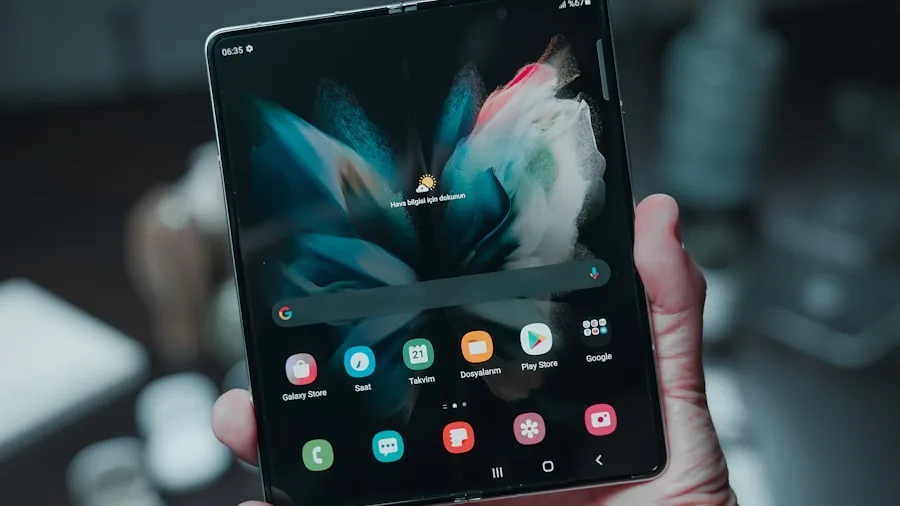
The rollout will follow a structured timeline. Initial support in 2027 will begin with Motorola’s flagship slab smartphone, featuring high end hardware comparable to premium Pixel devices but at a higher price point. Following that, the Razr Fold and Razr Ultra foldable phones will receive official support, with the Razr Ultra becoming the first flip phone to officially run GrapheneOS.
This phased approach reflects the GrapheneOS Foundation’s commitment to hardware quality. The organization maintains strict requirements around security features and hardware capabilities. Current Motorola flagships and Razr handsets are close to meeting these standards but fall short in specific areas like hardware memory tagging and secure element integration. The foundation expects Qualcomm’s next generation Snapdragon 8 Elite chips to address these shortcomings, which is why 2027 Motorola devices became the target for initial support.
Budget Alternatives and the Bigger Picture
While the initial rollout focuses on premium devices, the GrapheneOS Foundation has indicated that more affordable options are on the roadmap. However, bringing GrapheneOS to cheaper phones presents additional challenges. Budget devices typically rely on lower tier Qualcomm chips that lack the same security architecture as flagship processors. Additionally, manufacturers must commit to seven years of software support to ensure long term security updates, a standard that budget phone makers have historically struggled to maintain.
For perspective, current budget Motorola phones like the Moto G Stylus promise only two major operating system upgrades and three years of security updates. Establishing compatibility with such limited update timelines remains problematic for a platform that emphasizes security above all else.
Why This Matters for Your Next Phone Purchase
For shoppers evaluating their next smartphone, this announcement opens meaningful possibilities. If you prioritize privacy and security over convenience, GrapheneOS support on Motorola foldables represents a genuine alternative to Pixel devices. The Razr Ultra’s status as the first flip phone to officially run GrapheneOS could appeal to consumers interested in both form factor innovation and enhanced privacy protections.
The collaboration also signals that Motorola is taking security and privacy seriously as competitive advantages. Security focused consumers often evaluate multiple aspects of their digital ecosystem, and a manufacturer willing to partner with privacy advocates sends a positive message about its commitment to user protection.
Technical Collaboration and Future Support
What makes this partnership particularly noteworthy is how much work Motorola is contributing to the effort. The GrapheneOS Foundation noted that Motorola is handling a substantial portion of the porting work to bring GrapheneOS to their devices. This collaborative approach differs sharply from the foundation’s experience with Google, where recent changes to the Android Open Source Project have actually made Pixel support more challenging.
The foundation has also confirmed plans to support Google’s upcoming Pixel 11 series, demonstrating that its commitment to the Pixel ecosystem remains active even as it expands elsewhere. This dual track approach suggests a growing maturity in the GrapheneOS project.
Timeline and What to Expect
If you’re considering a Motorola foldable or flagship for 2027, you may want to monitor announcements from both Motorola and the GrapheneOS Foundation as the year approaches. Official support for those devices won’t arrive immediately upon their release, but the foundation has provided clear guidance about its intentions. Tech enthusiasts planning major purchases often research ecosystem options thoroughly, and understanding GrapheneOS availability is an important consideration for privacy conscious shoppers.
The expanding availability of GrapheneOS demonstrates that consumer demand for privacy focused operating systems continues to grow. As more manufacturers recognize this opportunity, expect to see additional partnership announcements and broader device support in coming years. For now, 2027 marks the beginning of a new era for privacy advocates seeking alternatives beyond the Pixel lineup.
About the author
Eleanor covers smartphones for REMOVU, balancing cameras, battery life, and software support against price. She helps readers find the best value as the field shifts with every release.