USB-C Fast Charging Standards Explained: What Buyers Need to Know
Navigate the maze of fast-charging standards and pick the right charger for your devices.
 By Adrian Rogers
Updated August 23, 2026
By Adrian Rogers
Updated August 23, 2026
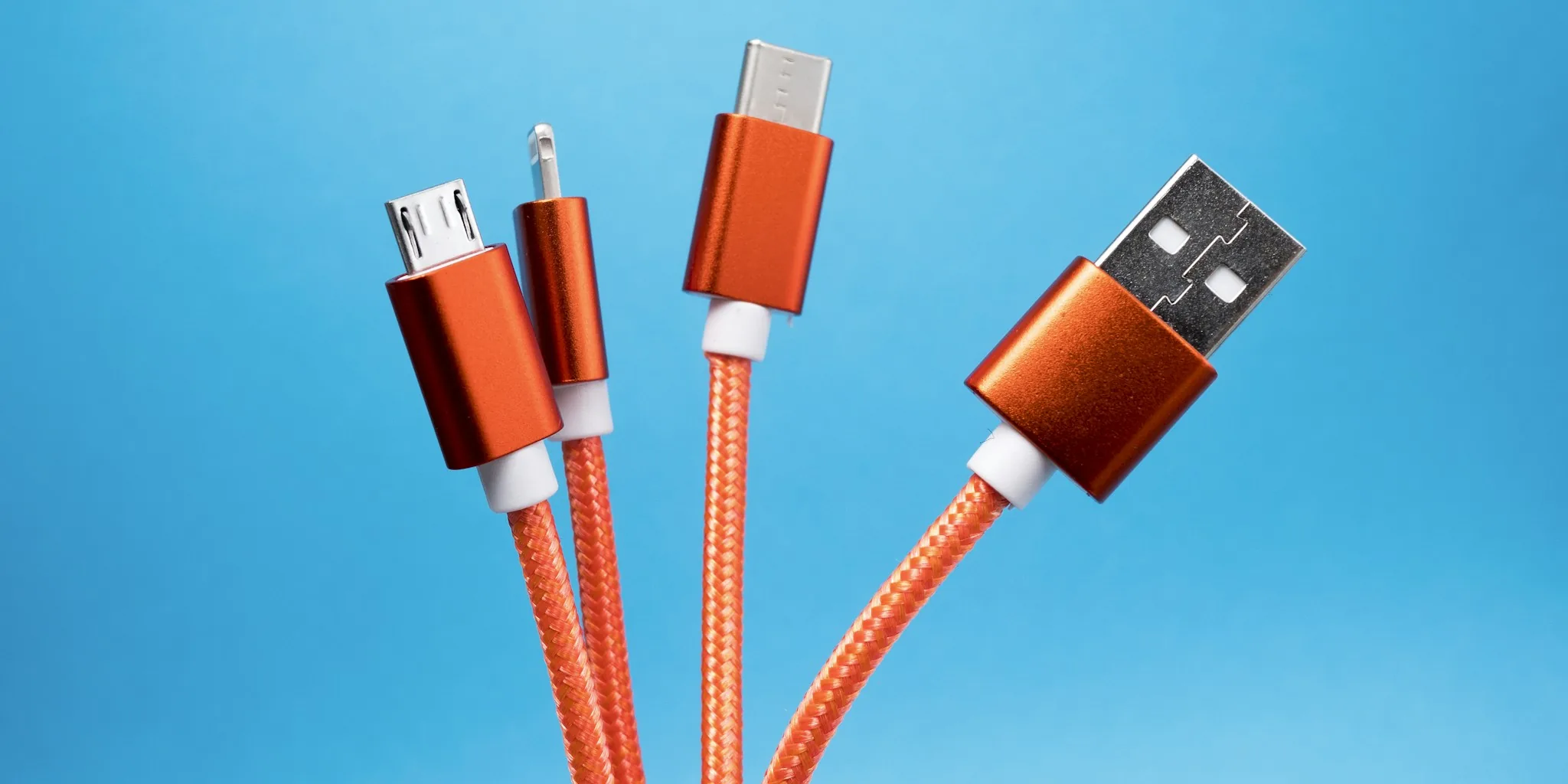
The Charging Standard Confusion
Walk into any electronics store or scroll through phone specs online, and you’ll encounter a baffling array of charging terminology: USB PD, PPS, SuperVOOC, HyperCharge, and Quick Charge. Each name suggests a different technology, leading many shoppers to believe that buying a device with USB-C means guaranteed fast charging. The reality is far more nuanced, and understanding what these standards actually do matters when making your next purchase.
The truth is that USB-C itself tells you almost nothing about charging speed. A phone with that connector might max out at slow speeds, or it might support one of several fast-charging systems. The difference between a 20W charge and an 80W charge comes down to what’s happening inside the device and whether your charger and cable match what your phone can actually handle. Plugging a phone into a more powerful charger than it needs won’t magically boost charging speed, just as using an incompatible charger will leave you stuck at slower speeds.
USB Power Delivery: The Closest Thing to a Universal Standard
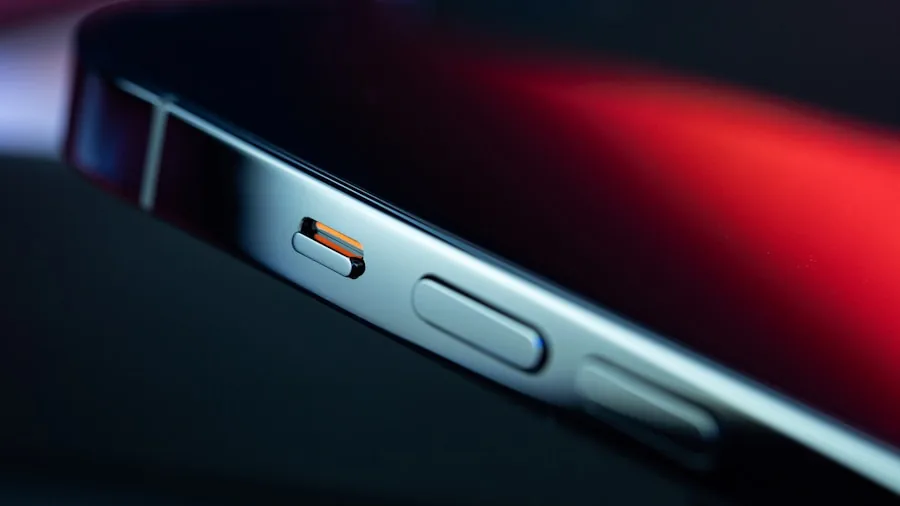
If you need a single answer to the charging confusion, USB Power Delivery (USB PD) is the closest the industry has come to a universal solution. This standard works across phones, tablets, laptops, and some gaming devices from multiple manufacturers. Recent versions have pushed the boundaries significantly: USB PD 3.1 raised the maximum supported power to 240W, while USB PD 3.2 represents the latest revision. Those higher limits target demanding devices like laptops and external displays, though most phones will never need anywhere near that capacity.
Phones typically operate within much smaller power windows, and thermal constraints make pushing extreme wattages impractical for handsets anyway. What matters more for phone users is PPS, or Programmable Power Supply, an advanced feature within the USB PD ecosystem. PPS allows your device to request smaller, more precise adjustments to voltage and current as the battery fills. This precision improves efficiency and helps manage heat, which is critical for protecting battery longevity over time.
Major phone manufacturers are embracing USB PD and PPS as their preferred charging systems. Recent flagship models from Samsung use PPS as part of their fast-charging features, while Google’s latest Pixel phones leverage USB-C PPS to reach their advertised charging speeds. If you own Android flagships and want a versatile charger that will work across multiple devices, USB PD with PPS support is your safest bet.
Proprietary Systems and Brand-Specific Charging
Despite the push toward standardization, many phone manufacturers still develop their own proprietary charging systems. OnePlus and Oppo use technologies built on SuperVOOC frameworks, while Xiaomi employs HyperCharge on certain models. These systems can deliver impressive charging speeds when you use the manufacturer’s exact charger and cable combination. The catch is that achieving those maximum advertised speeds typically requires a compatible proprietary charger, and you may need the specific cable the company recommends.
Even Qualcomm’s Quick Charge, once a leader in Android fast charging, has become less dominant as USB PD adoption grew across the industry. Newer Quick Charge versions now support USB PD themselves, and having a Qualcomm processor doesn’t guarantee a phone uses Quick Charge at all, since manufacturers can choose other systems instead.
Here’s a practical tip worth remembering: many phones featuring proprietary charging systems also support standard USB-C PD charging, even if they won’t reach their maximum advertised speeds with it. For example, USB-C docks and chargers with PD support will charge these phones, just not at their peak wattage. If you want to use a single universal charger across multiple devices, a USB-C PD model with adequate wattage for your most power-hungry device will work reliably even if it doesn’t unlock every phone’s absolute maximum charging capability.
Understanding the Numbers Behind Fast Charging
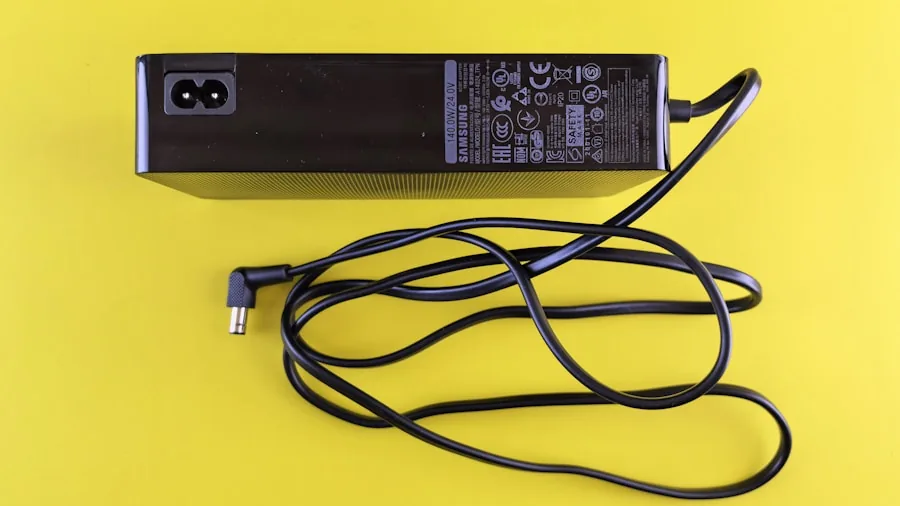
Manufacturer marketing claims often need scrutiny. When a phone is advertised as supporting 80W or 100W charging, it doesn’t sustain that power level from completely empty to completely full. Instead, the phone charges at its fastest rate when the battery is relatively low, then gradually reduces the charging speed as the battery approaches capacity. This tapering happens automatically to protect the battery and manage heat.
This brings up a common misconception: that fast charging damages your battery. Modern phones are engineered to handle fast charging without harm. They continuously monitor temperature, reduce power when necessary, and automatically taper charging rates as the battery fills. The real factors affecting long-term battery health are temperature management and your charging habits, not the specific fast-charging protocol you use.
To maximize battery lifespan, avoid leaving your phone at 100 percent charge continuously, don’t charge an already-hot device in direct sunlight, and try not to charge while running demanding games that push your phone’s processor hard. Many manufacturers now include battery protection features built into their software. Apple’s Optimized Battery Charging learns your patterns and can delay charging past 80 percent when the phone is expected to stay plugged in for an extended period. Samsung and Google offer similar protections through their own battery management features.
What Shoppers Should Buy
The simplest advice remains the most practical: invest in a USB-C Power Delivery charger with PPS support and enough wattage for your most demanding device. This single charger will work reliably across modern phones, tablets, and laptops. While it may not unlock the absolute maximum charging speed on every OnePlus, Oppo, or Xiaomi phone, it represents the safest choice for broad compatibility and future-proofing your tech investment.
About the author
Adrian writes about power banks for REMOVU, balancing capacity, charging speed, and pocketability for phones and laptops. He helps readers stay topped up without carrying a brick.