USB-C Laptop Charger On Your Phone: What Shoppers Need To Know
USB-C chargers can be mixed and matched, but there's an important catch you should know.
 By Ava Herrera
Updated August 23, 2026
By Ava Herrera
Updated August 23, 2026

Can You Safely Use A Laptop Charger On Your Smartphone?
If you’ve ever found yourself in the situation where your phone is running low on battery while your laptop charger sits nearby, you’ve probably wondered if it’s safe to swap them. Both devices have USB-C ports, so logically it should work, right? The answer is more nuanced than a simple yes or no, but the good news is that for most modern devices, mixing and matching chargers is generally safe.
The reason this works comes down to how modern charging technology has evolved. USB Power Delivery, or USB-PD, is a standard developed by the USB Implementers Forum that completely changed the way chargers and devices communicate. Instead of a charger simply forcing power into your device, both the charger and your phone engage in a negotiation process before significant power is transferred.
How USB Power Delivery Actually Works
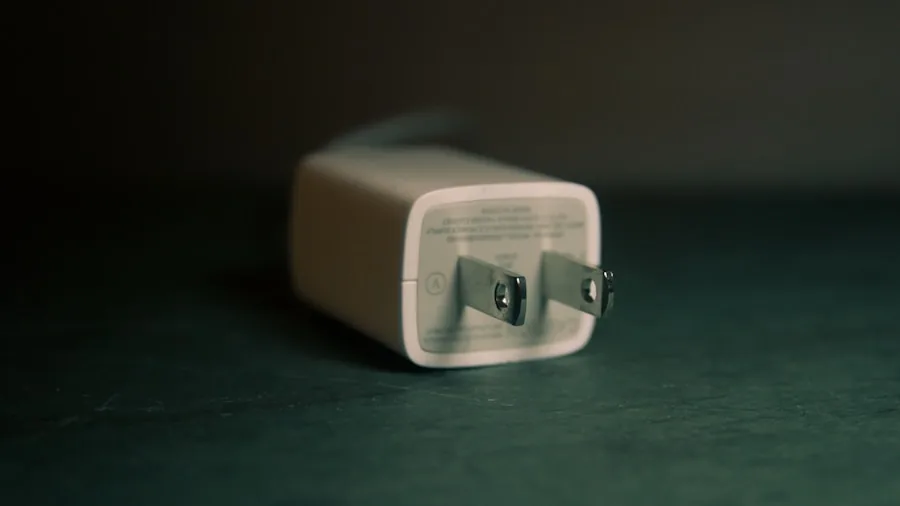
Understanding USB Power Delivery is key to understanding why you likely don’t need to worry about frying your phone with a high-wattage laptop charger. When you plug your phone into any USB-C charger, the charger transmits information about all the power levels it can provide. Your phone then selects the highest power level it can safely handle and accepts only that amount.
This back-and-forth communication means your phone is actively pulling the power it needs, rather than the charger pushing power at maximum capacity. Because of this intelligent system, a 100W laptop charger connected to a phone that can only accept 20W will deliver exactly 20W, no more. Your phone’s internal components will never be exposed to more power than they’re designed to handle.
If your charger and phone don’t both support USB-PD, the system defaults to safe output levels anyway. A phone without USB-PD support will charge slowly but safely when connected to a USB-PD charger. Similarly, an older charger without USB-PD support connected to a newer phone will cap out at 5V and 3 amps, which provides a reliable, if slower, charge.
When Is It Safe To Mix Chargers?
The straightforward answer: nearly all the time, as long as both your charger and phone were manufactured within the last decade. All recent iPhones, Samsung Galaxy devices, Google Pixel phones, and modern laptops from any manufacturer support USB-PD technology. When both devices speak the same language, you can use them together without hesitation.
Even if one device lacks USB-PD support, the risk remains minimal because the safety protocols are built into the system. The negotiation process kicks in automatically for compatible devices, and older devices simply fall back to slower, safer charging methods. You could use a high-wattage laptop charger on your phone every single day without damage, provided both devices are from a reputable manufacturer and in good condition.
Will Your Phone Charge Faster With A Laptop Charger?
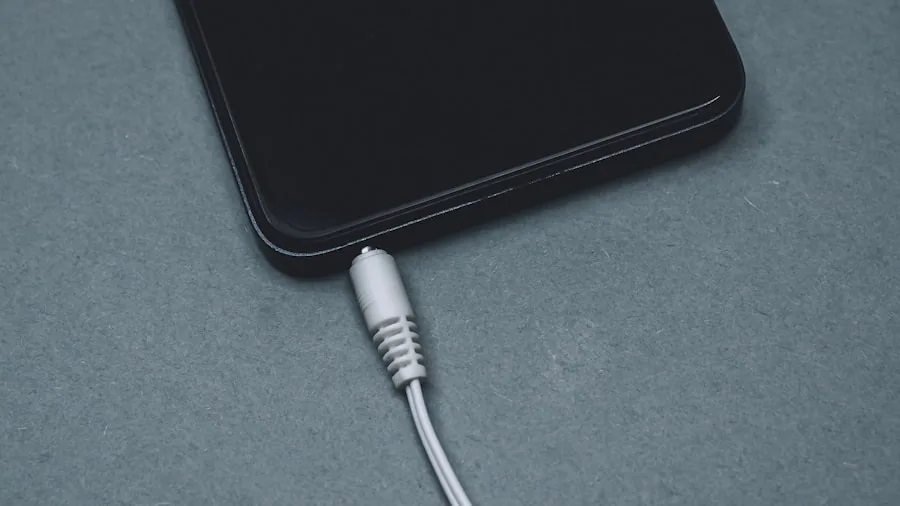
Whether you’ll see faster charging speeds depends entirely on your phone’s capabilities. If your phone supports higher-voltage fast charging and your laptop charger can deliver it, then yes, charging will be quicker than with a standard adapter. For example, newer iPhones require a 20W or higher USB-C power adapter to achieve Apple’s advertised fast-charging speeds. A 65W or 100W laptop charger easily meets this requirement, so your phone will negotiate the appropriate power and charge faster as a result.
However, if your phone is limited to accepting 18W or 20W maximum, plugging it into a 140W laptop charger won’t speed things up at all. Your phone will only pull the 20W it’s rated for, regardless of the charger’s maximum output. The wattage rating on a charger label indicates how much power it can deliver across all connected devices, not how fast any single device will charge.
It’s worth noting that some smartphone manufacturers use proprietary charging protocols that require their specific cable or charger to reach advertised speeds. Conversely, using your phone’s charger with your laptop won’t deliver the rapid charging your laptop needs, since phone chargers typically lack the wattage required for efficient laptop charging.
Watch Out For Cheap And Counterfeit Chargers
While mixing and matching quality chargers is safe, you should exercise caution with inexpensive or uncertified chargers. Counterfeit or poorly engineered chargers often skip essential safety features, including isolation barriers between the AC input and DC output. When these chargers malfunction, voltage spikes can pass directly to your phone, causing serious damage. Low-quality cables present a similar risk, as non-certified USB-C cables may lack internal resistors that the USB-C specification requires.
Before using any charger, look for safety certification marks such as Underwriters Laboratories (UL), Intertek (ETL), or the CE mark. These certifications indicate the charger has passed independent safety reviews. When shopping for USB-C docking solutions and chargers, prioritize products from established manufacturers that clearly display these safety credentials.
For smaller USB-C devices beyond phones and laptops, stick with the charger that came in the box whenever possible. While most fast chargers start at safe power levels and only increase after negotiation occurs, some compact devices lack the microcontrollers needed to properly communicate with high-power chargers. The risk is generally low, but using the original charger eliminates uncertainty.
Modern charging standards have made mixing chargers safer than ever, but quality matters. A high-quality laptop charger from a reputable brand is perfectly fine for your phone, and you’ll likely enjoy the bonus of faster charging speeds. Just ensure both your charger and cable display proper safety certifications and avoid suspiciously cheap alternatives.
About the author
Ava is REMOVU's laptop writer, balancing speed, battery life, and build quality against price across the whole range. She helps readers find the sweet spot as each new chip shifts what a dollar buys.