SanDisk Expansion Cards for Xbox Now Available: What Buyers Should Know
After six years, a second storage option arrives for Xbox Series X and S players. Here's what changed.
 By Serenity Richards
Updated August 21, 2026
By Serenity Richards
Updated August 21, 2026
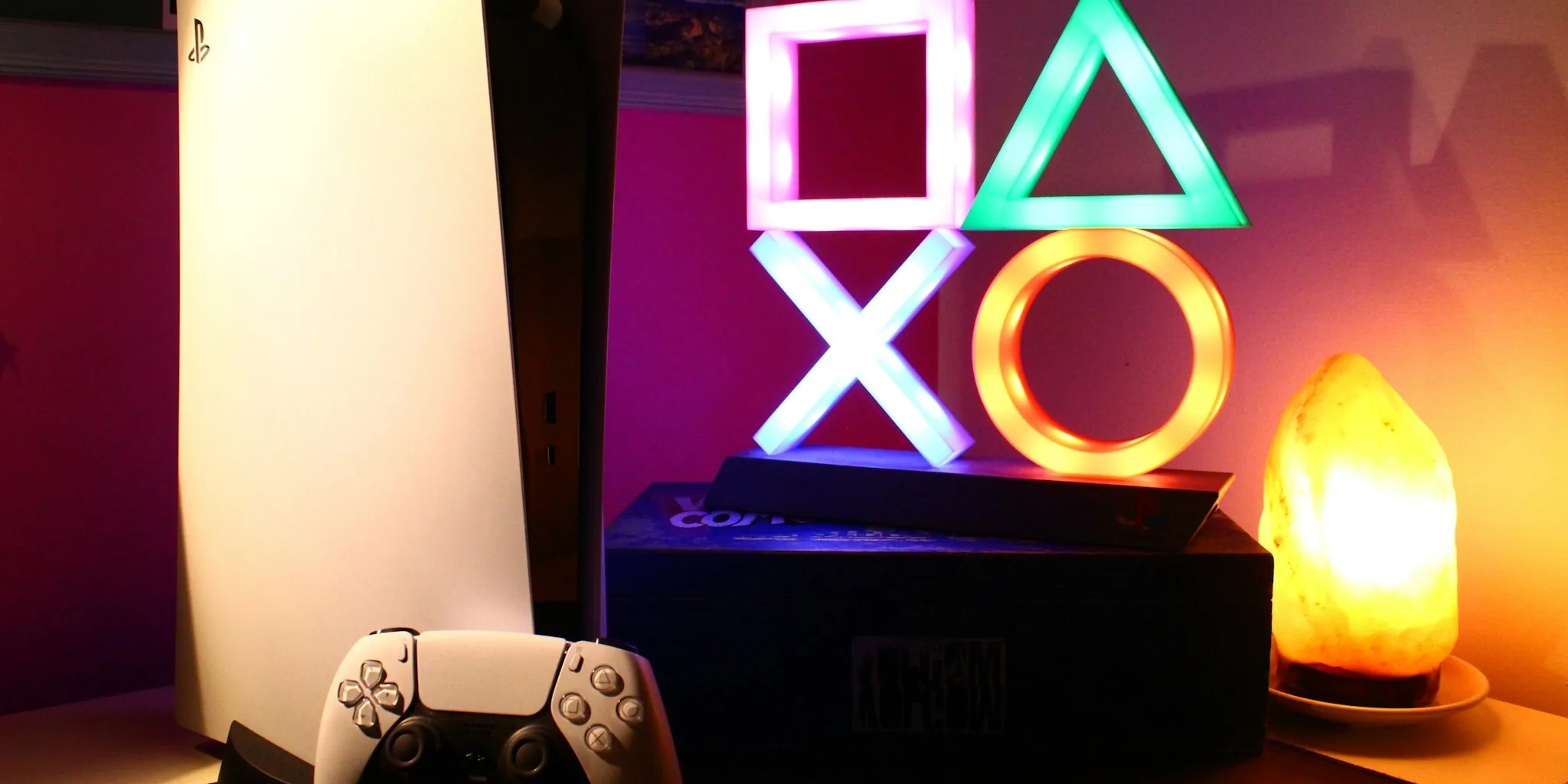
After more than six years of waiting, Xbox Series X and Series S owners finally have a new storage option. SanDisk has launched its Optimus GX C50 expansion card, offering an alternative to Seagate’s long-standing monopoly in the market. This development marks a significant shift in the console storage landscape and could reshape how players approach capacity upgrades.
What Changed in the Xbox Storage Market
When the Xbox Series X and Series S debuted in 2020, Seagate was the sole manufacturer of proprietary expansion cards for these consoles. For years, gamers had limited choices: accept the base storage capacity or invest in Seagate’s solution. SanDisk’s entry into this space represents the first genuine alternative to reach consumers since launch, opening up competitive pricing and options that players have sought for years.
SanDisk initially unveiled its Optimus SSD lineup in January 2026, but the company only confirmed its Xbox Series X and S compatibility in August. The new drives are now available through multiple retailers and SanDisk’s official website, though pricing varies significantly depending on where you shop.
Pricing and Availability Details
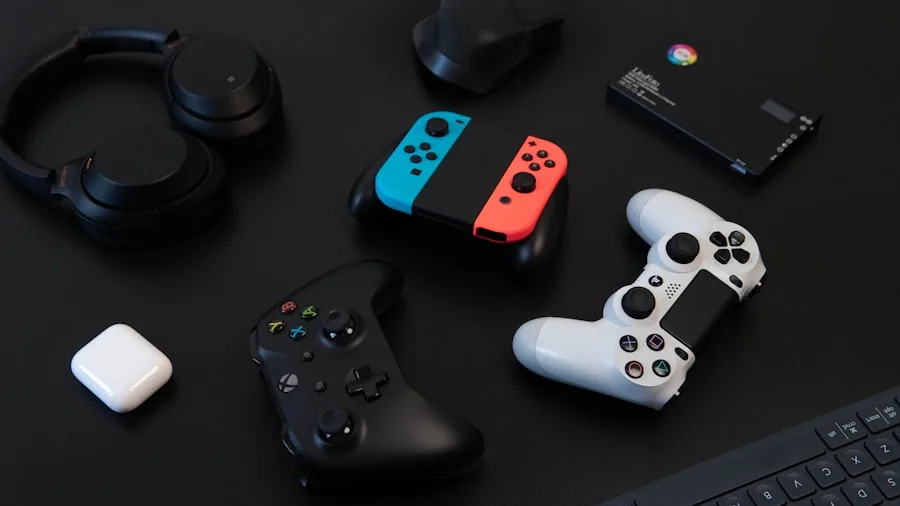
On Amazon, the SanDisk Optimus GX C50 starts at $249.99 for the 1TB model, with the 2TB version priced at $486.99. However, SanDisk’s official website currently offers more competitive pricing: the 512GB capacity is listed at $109.99, the 1TB at $199.99, and the 2TB at $339.99. Unfortunately, inventory appears limited at SanDisk’s store, with all capacities marked as unavailable at present. Interested buyers can sign up for stock notifications to be alerted when units become accessible.
For context, Seagate’s original 1TB expansion card launched with a suggested retail price of $199.99, but current market pricing has climbed dramatically. Third-party Amazon sellers now charge $318 or more for Seagate’s 1TB model due to supply constraints affecting the storage industry. Seagate’s 2TB option has jumped to $473.99, while its 4TB model with an SRP of $549.99 remains difficult to find.
Why Storage Expansion Matters for Your Library
These specialized expansion cards address a specific need for console gamers. The Xbox Series X and S come with built-in storage that fills quickly once you begin downloading multiple titles. While you can store games on external hard drives and SSDs, games stored externally must be transferred back to the internal or expansion storage before play. This requirement makes expansion cards convenient for players who want instant access to a large library without constant file transfers.
The expansion cards connect directly to the console’s proprietary storage slot, ensuring games run with optimal performance. This differs from simply parking titles on an external drive, which requires the extra step of moving files back when you want to play them.
How Xbox Storage Compares to Competitors

Microsoft’s approach differs notably from Sony’s strategy with the PlayStation 5. The PS5 includes a standard NVMe M.2 slot that accepts any compatible PCIe 4.0 SSD, eliminating the need for proprietary drives. This flexibility means PS5 owners can purchase third-party SSDs at lower prices and use them across multiple devices.
Similarly, the Nintendo Switch 2 features a microSD Express slot, allowing users to upgrade storage with cards that work on other compatible devices. While microSD Express cards carry a higher price tag than standard microSD options, they offer broader utility beyond a single console.
Xbox owners, by contrast, are limited to proprietary expansion cards that function exclusively with Series X and S consoles. This means your investment in storage won’t carry over to other gaming devices, which is an important consideration when evaluating your upgrade strategy.
What This Means for Your Shopping Decisions
SanDisk’s arrival gives Xbox gamers genuine choice for the first time in the console’s lifecycle. Competition typically drives prices down and encourages manufacturers to improve products. Whether you prefer SanDisk’s pricing or remain loyal to Seagate, the expanded market should benefit consumers over time.
Before purchasing, compare current prices across Amazon and SanDisk’s official store, as pricing gaps are substantial. If you primarily play one or two games at a time and rotate titles regularly, external storage combined with occasional file transfers might meet your needs more affordably. However, if you maintain a large active library or frequently switch between titles, an expansion card becomes more economically justified.
For those shopping for a new gaming console, storage capacity should factor into your decision-making alongside the console’s hardware specifications and available game library. The Xbox Series S offers a more budget-friendly entry point, but its smaller base storage may necessitate expansion sooner than the Series X, affecting your total cost of ownership.
About the author
Serenity covers home game consoles for REMOVU, weighing performance, exclusive libraries, and the ecosystem each platform locks you into. She helps players pick the console that fits how and what they play.