Apple Camera AirPods Delayed to 2027: What Supply Chain Issues Mean for Shoppers
Supply chain challenges push Apple's camera AirPods release into 2027, affecting inventory and pricing expectations.
 By Valerie Gomez
Updated August 20, 2026
By Valerie Gomez
Updated August 20, 2026

Apple’s highly anticipated camera-equipped AirPods will not arrive until 2027, pushing back hopes for consumers eager to experience the company’s latest wearable innovation. The delay stems from ongoing supply chain and software hurdles that the company continues to navigate, according to recent reports from industry insiders.
Earlier this week, a leaked demonstration video showed off the camera functionality in action, sparking speculation that an imminent launch was around the corner. The video, discovered within a macOS software release candidate, depicted the cameras performing artificial intelligence tasks like reading text and saving information through voice commands. However, behind the scenes, Apple has decided to halt the product’s 2026 release schedule entirely.
What the Supply Chain Delays Reveal
Supply chain constraints have become a significant obstacle for Apple’s ambitious wearable roadmap. The company is one of many tech manufacturers grappling with sourcing challenges and manufacturing bottlenecks that affect product timelines. These pressures are not unique to Apple; they reflect broader industry struggles with component availability and production capacity.
For consumers, supply chain delays often translate to higher prices when products finally reach retail shelves. Manufacturers that face extended development timelines must absorb higher costs, which frequently get passed along to buyers. Understanding these behind-the-scenes manufacturing realities helps shoppers recognize why premium devices command their pricing.
The camera AirPods situation underscores how even the world’s most sophisticated tech companies must balance innovation ambitions with real-world production constraints. Apple’s decision to delay rather than rush an incomplete product suggests the company prioritizes quality over speed to market, a choice that will ultimately affect inventory levels and pricing when the earbuds do launch.
Two Competing Designs Create Additional Complexity
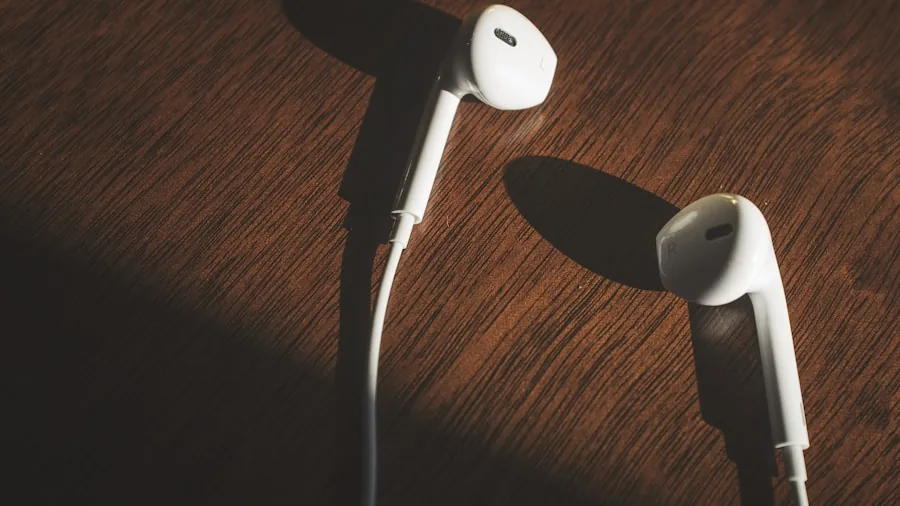
Adding to the timeline challenges, Apple has been developing two different versions of camera-equipped AirPods simultaneously. One variant represents an upgraded version of the existing AirPods Pro lineup, while the other is an entirely new generation designed specifically around camera functionality from the ground up. This internal competition between product designs is typical of Apple’s development process but can extend timelines significantly.
The version showcased in the leaked video, known internally as the B790 model, was previously scheduled for a 2026 release but has now been removed from Apple’s product roadmap for that year. The alternative design, the B798 model, now represents the path forward for 2027 and beyond. This shift demonstrates how companies must make difficult prioritization choices when supply chains cannot support multiple product launches simultaneously.
For buyers, this means the camera AirPods arriving next year will likely reflect the more refined of the two designs, potentially offering better integration and functionality than would have been possible with a rushed 2026 release. Smart wearables require seamless ecosystem integration, and delaying allows Apple to ensure compatibility across all its platforms.
What These Cameras Will and Won’t Do
It is worth noting that the cameras built into these AirPods will not function as traditional photo or video capture devices. Instead, they will feed low-resolution visual data to Apple’s Siri artificial intelligence system, enabling Visual Intelligence features that assist users with real-time information about their surroundings. This specialized use case requires different engineering and supply chain considerations than cameras designed for conventional photography.
The distinction matters for consumer expectations. These are not spy devices or high-resolution imaging tools. They are AI helper components that process visual information to enhance voice assistant capabilities. Understanding the actual function prevents misalignment between what buyers anticipate and what the product delivers upon arrival.
When to Expect Launch and What It Means for Shoppers
Apple could potentially debut the camera AirPods during its fall 2027 product event, possibly alongside other major device announcements. The timing would align with the company’s typical annual refresh cycle. Shoppers should prepare for premium pricing on these earbuds, as they represent a significant technological advancement combining audio hardware with AI-assisted visual processing.
Supply chain constraints that push product launches into future years often result in limited initial inventory, making early availability competitive. Consumers interested in purchasing should monitor official announcements closer to the 2027 release window. Backup solutions for digital storage become more relevant as wearable devices capture more personal data.
The delay also provides time for competitors to potentially introduce their own camera-equipped earbuds, which could influence Apple’s final feature set and pricing strategy. Market dynamics between now and 2027 may shift considerably, affecting the overall landscape when these products finally launch.
For now, shoppers should view this delay as confirmation that major tech releases require sophisticated supply chain management and careful software development. Patience often pays dividends when premium manufacturers prioritize thoroughness over speed.
About the author
Valerie writes about wireless earbuds for REMOVU, comparing sound, battery life, call quality, and fit. She helps readers find the right pair from budget buds to premium ANC.