Graphics Card Hack Unlocks Hidden Memory on Older Mining GPUs: What Shoppers Need to Know
Software mod restores up to 64GB of disabled memory on budget crypto mining graphics cards
 By Katrina Dean
Updated August 18, 2026
By Katrina Dean
Updated August 18, 2026
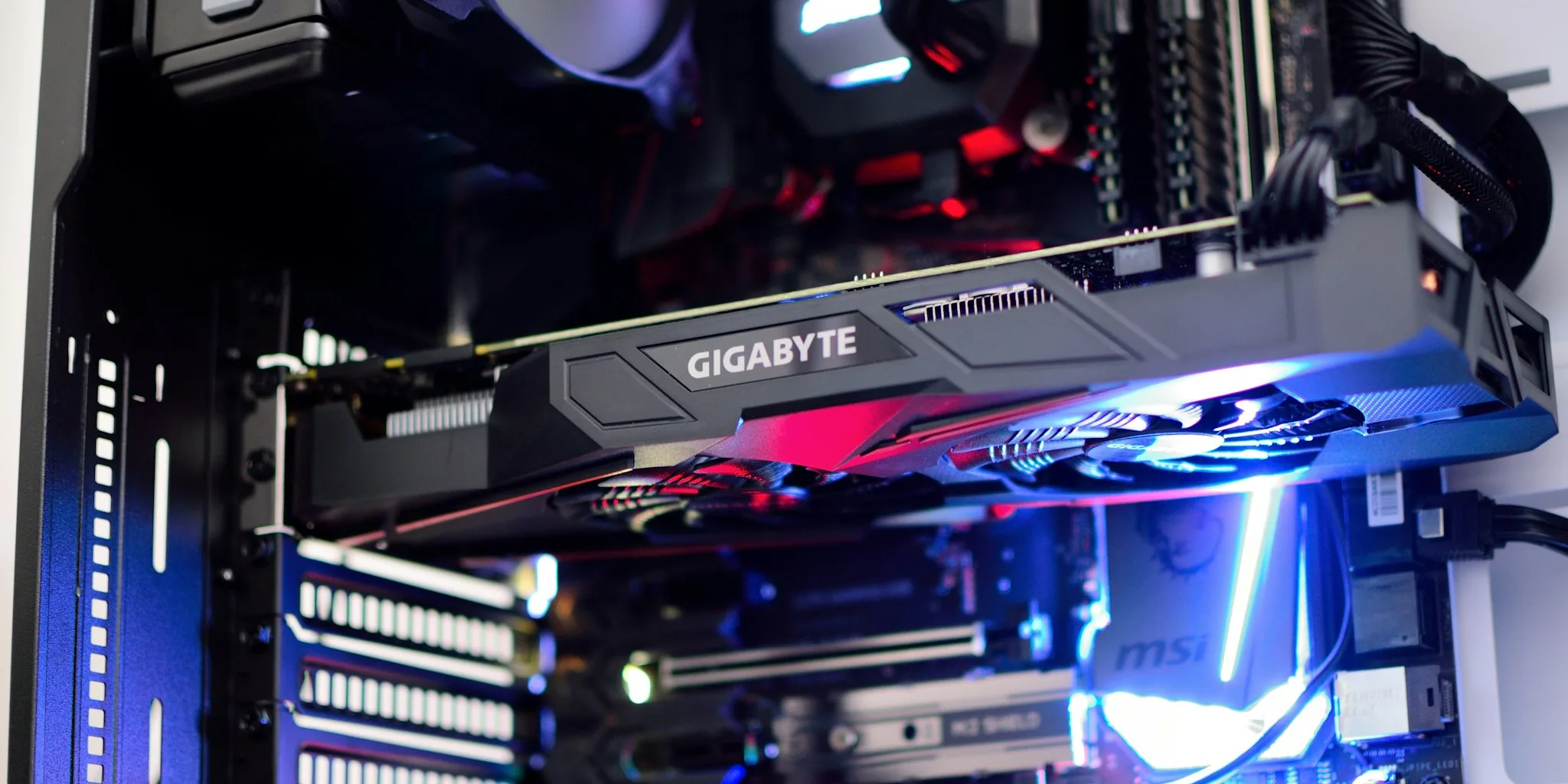
A significant software exploit has emerged that allows users to unlock previously disabled memory on older Nvidia crypto mining graphics cards, potentially changing the calculus for budget-conscious buyers and AI enthusiasts facing steep prices on current hardware.
The Hack That Restored Hidden Capacity
Researchers have developed a software-based solution that restores access to memory that Nvidia intentionally disabled on its CMP 170HX crypto mining graphics cards. The tool, called CMP Unlocker, can increase the memory on these older accelerators from 8GB to as much as 64GB, or from 10GB to 40GB, depending on the variant and stability of the unlocked memory modules.
The CMP 170HX is built on the same GA100 silicon that powers Nvidia’s professional A100 accelerator, which costs thousands of dollars more. This monolithic chip design includes all memory physically present on the silicon from manufacture, but Nvidia simply disabled additional memory stacks through firmware to create different product tiers. The security bypass technique itself is entirely software-based and requires no physical modifications to the hardware.
Why This Matters for Graphics Card Shoppers

The cost implications are substantial. These older mining graphics cards were available used on secondary markets for around $250 before the exploit became widely known. Once word spread about the memory unlock potential, prices jumped to over $1,000, a four-fold increase. That jump reflects the genuine value proposition: unlocking 64GB of memory capacity on a graphics card under $500 would normally cost thousands in the form of a new professional accelerator.
For AI researchers and machine learning practitioners, this creates an attractive cost-performance calculation. The unlocked cards offer memory capacity comparable to Nvidia’s A100 accelerators, which retail starting around $3,500 for 40GB variants and $11,500 for 80GB models. Even at the inflated post-exploit prices, the unlocked CMP 170HX cards represent a significant savings.
Performance Gains Beyond Memory
The software exploit delivers more than just additional memory. It can restore computational performance to the graphics card’s Streaming Multiprocessors, boosting processing power beyond the manufacturer’s original specifications. Additionally, the unlock can upgrade the PCIe interface speed from the restricted PCIe 1.0 x4 to PCIe 2.0 x4, which increases bandwidth for data transfer.
However, there remains untapped potential. Nvidia implemented hard physical restrictions by limiting the cards to four PCIe lanes and omitting twelve capacitors from the circuit board. Soldering the missing capacitors could theoretically unlock full PCIe x16 bandwidth, but this would require physical modification and has not yet been widely confirmed as stable.
The Catch: The Silicon Lottery
Buyers should approach this opportunity with caution. The core uncertainty lies in why Nvidia disabled the memory in the first place. Some memory stacks may have been disabled due to product segmentation strategy, meaning they function perfectly when unlocked. Others may have been disabled because Nvidia discovered physical defects during quality control screening. There is currently no reliable way to determine which memory is fully functional before unlocking it.
This means stability will vary from unit to unit. Users report successfully restoring different amounts of memory depending on the individual card’s condition. The amount of memory you can unlock and run stably may differ significantly from the theoretical maximum.
A Quick Look at the Bigger Picture

These older crypto mining graphics cards represent a different architecture generation than current options. Nvidia’s Ampere architecture, which powers the CMP 170HX, is now two generations behind the current Hopper and Blackwell architectures. Even with the memory unlocked, these cards cannot match the raw computational performance or power efficiency of newer graphics cards, which means they suit specific use cases more than others.
The exploit itself mirrors older practices in the industry, like unlocked BIOS cores from AMD processors years ago. It reveals how manufacturers use firmware restrictions to segment products and control pricing across different market tiers.
What This Means for Your Purchase Decision
If you are shopping for graphics cards and considering older professional or mining hardware, this development reshapes the value equation. The unlocked memory capacity addresses one major limitation these cards had as cost-effective alternatives to expensive new accelerators. However, the rapidly rising prices after the exploit became public knowledge means timing and luck matter significantly.
The fundamental concern remains: without knowing whether the hidden memory is locked due to product segmentation or physical defects, you are taking a calculated risk. For users with substantial technical knowledge and the ability to troubleshoot unstable configurations, this might be acceptable. For mainstream shoppers seeking reliability, sticking with graphics cards under $300 from current product lines remains the safer choice.
The larger takeaway is that the ongoing shortage of graphics card supply and the high cost of new professional accelerators continue to drive creative solutions. Whether this particular exploit represents a genuine opportunity or a risky gamble depends entirely on your technical comfort level and specific performance needs.
About the author
Katrina covers graphics cards for REMOVU, tracking gaming performance, features, and value as prices shift with every launch. She helps builders find the right GPU for their resolution and budget.