PlayStation 6 Launch Date Still Unknown: What Gamers Need to Know
Sony has no confirmed release window for the PlayStation 6 as component costs rise.
 By Serenity Richards
Updated August 18, 2026
By Serenity Richards
Updated August 18, 2026
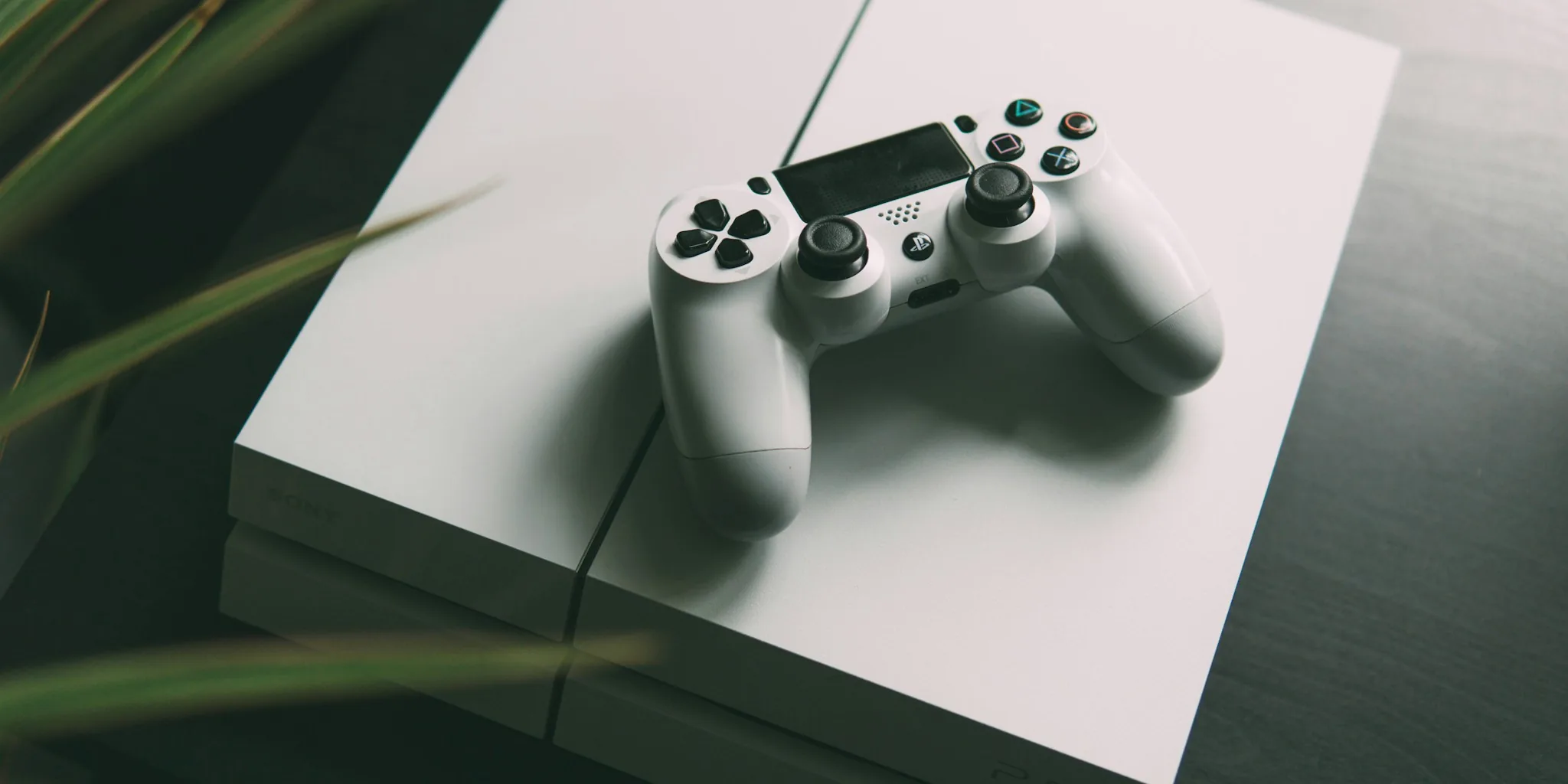
Sony’s plans for the next generation of gaming consoles remain shrouded in uncertainty. In a recent interview with the Wall Street Journal, Sony CEO Hiroki Totoki revealed that the company has not yet locked in an official release date for the PlayStation 6, contradicting earlier analyst predictions that suggested a 2027 launch window.
This delay signals a shift in how Sony approaches console development and release cycles. For years, the gaming industry operated on predictable generational timelines, with new hardware arriving roughly every seven to ten years. The PlayStation 5 launched in late 2020, meaning a 2027 arrival for its successor would follow that pattern. However, Totoki’s confirmation that Sony lacks a concrete timeline suggests the company is rethinking its strategy.
Rising Costs and Supply Chain Pressures
The uncertainty stems partly from economic headwinds affecting the entire consumer electronics industry. Global component shortages and increased demand from artificial intelligence data centers have driven up the cost of essential hardware like RAM and storage chips. These price pressures have forced Sony to raise PlayStation 5 costs significantly. In April of this year, Sony increased the standard PS5 price to $649.99, with the Digital Edition priced at $599.99 and the high-end PS5 Pro at $899.99. These represent some of the highest prices ever charged for Sony consoles, marking a departure from the historical pattern where console prices typically dropped by significant margins during their lifecycle.
Totoki acknowledged these profitability risks without specifying exactly how they impact the PlayStation 6 timeline. The message is clear: Sony will not rush to market with expensive next-generation hardware unless the company feels confident about manufacturing costs and consumer demand.
The Digital-Only Direction
Another major factor shaping PlayStation 6 expectations is Sony’s controversial shift away from physical media. In July, the company announced plans to halt disc game production across all consoles beginning in January 2028. This move extends to movies and other media: a PlayStation without a disc drive would not support Blu-rays or 4K Ultra HD discs either.
While Sony has not officially confirmed whether the PlayStation 6 will include a disc drive, the company’s commitment to digital-only distribution makes a discless console highly probable. This decision carries significant implications for consumers who own physical game libraries. Unlike the PlayStation 5, which includes a disc drive in most models, a purely digital PlayStation 6 would render those physical games unplayable on the new hardware. Players would essentially be forced into the digital ecosystem, with all content tied to their PSN account rather than stored on physical media.
Consumer Backlash and Boycott Plans
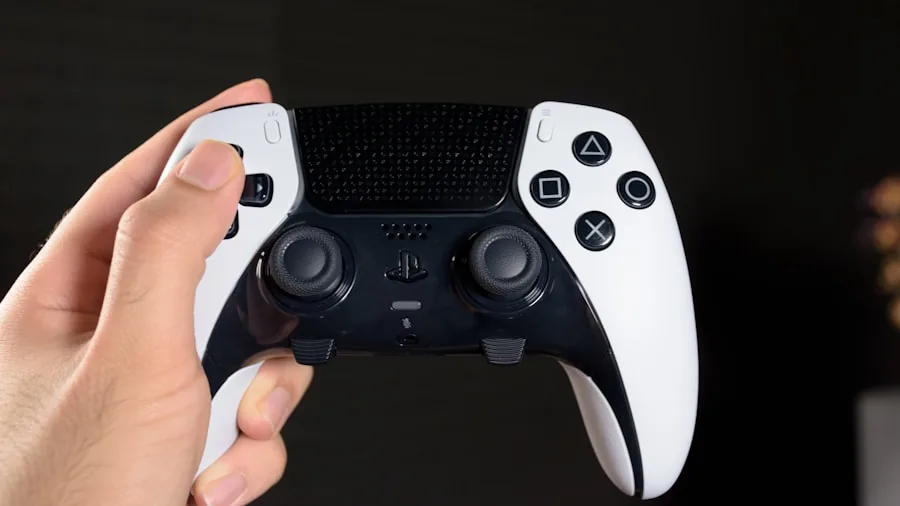
Sony’s direction has sparked considerable frustration within the gaming community. Many players view the removal of physical media options as anti-consumer, eliminating ownership and resale rights while increasing dependence on Sony’s digital storefront. In response, gaming communities are organizing protest efforts, including planned boycott events like the PSBlackout initiative, which encourages players to avoid logging in, purchasing content, or engaging with Sony services for extended periods.
The company has maintained its commitment to the digital transition despite the backlash, suggesting that this direction is non-negotiable for future console generations. For buyers considering their next gaming investment, this represents a fundamental change in how they will purchase, store, and own their game libraries.
What This Means for Shoppers
The lack of a confirmed PlayStation 6 release date creates uncertainty for current console owners. Those with extensive physical game collections may want to preserve their PlayStation 5 hardware for as long as possible, since backward compatibility with disc media is unlikely on next-generation systems. Storage solutions for digital games will become increasingly important as players shift to digital purchases.
Current PlayStation 5 owners considering upgrades should understand that the generational leap may take longer than historical patterns suggest. This extended timeline offers an opportunity to maximize value from existing hardware and to evaluate whether the shift to digital-only gaming aligns with personal preferences.
For consumers planning major gaming purchases in the coming years, the key takeaway is straightforward: PlayStation 6 availability remains firmly in the future with no official date in sight. Gaming accessories and other peripherals will likely remain compatible across generations, but the fundamental hardware and media structure of the next PlayStation is still being finalized. Sony’s decision to prioritize profitability over meeting historical release cycles suggests the company will take whatever time necessary to deliver a console that meets its cost and performance targets.
About the author
Serenity covers home game consoles for REMOVU, weighing performance, exclusive libraries, and the ecosystem each platform locks you into. She helps players pick the console that fits how and what they play.