Apple A20 Pro Chip Supply Chain Leak What Buyers Should Know
Supply chain insiders reveal the A20 Pro will be 18% faster and 30% more efficient than previous generation chips.
 By Eleanor Garcia
Updated August 17, 2026
By Eleanor Garcia
Updated August 17, 2026

Apple A20 Pro Supply Chain Details Emerge Before Official Launch
Ahead of next month’s official unveiling, supply chain sources have provided detailed information about the performance upgrades coming with Apple’s next generation A20 Pro chip. The leak offers consumers a concrete preview of what to expect from the upcoming iPhone 18 Pro and iPhone Ultra models, giving shoppers insight into whether these devices will represent meaningful upgrades worth considering.
According to insiders familiar with manufacturing processes and production timelines, the A20 Pro is positioned to deliver an 18 percent increase in overall performance compared to its predecessor, the A19 Pro. Equally important for everyday users is the reported 30 percent improvement in power efficiency. These numbers, if accurate, suggest that the new generation will not only run faster but also consume less battery power while doing so, which directly impacts how long your device can operate between charges.
Manufacturing Innovation Drives Performance Gains
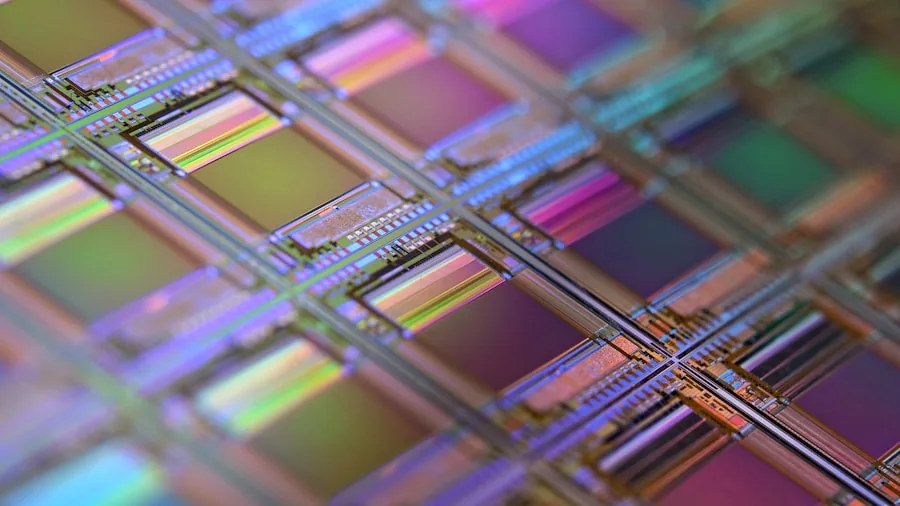
The performance improvements stem from two major technical advances in how Apple manufactures its silicon. First, the A20 Pro will be built using TSMC’s cutting-edge 2-nanometer manufacturing process, marking the first Apple chip to leverage this advanced technology. Smaller transistors allow engineers to pack more computing power into the same physical space while generating less heat.
Second, Apple is reportedly adopting a new packaging method called Wafer-Level Multi-Chip Module technology. This approach allows multiple chip components to be integrated more efficiently at the manufacturing stage, further contributing to performance gains and improved energy management. These are not minor tweaks but substantial changes to how the chip itself is designed and assembled.
For shoppers evaluating whether to upgrade, understanding these supply chain shifts matters because they directly influence real-world performance. The combination of finer manufacturing processes and advanced packaging means you’ll see benefits across all computing tasks, from running demanding apps to handling complex gaming experiences.
Battery Life and Efficiency What This Means for You
The reported 30 percent efficiency improvement may be the most significant aspect for everyday users. Modern smartphones are limited primarily by battery capacity, and improvements in efficiency translate directly to extended usage time. A chip that accomplishes the same work while consuming less power means your phone can maintain performance levels longer on a single charge.
This efficiency gain also has implications for long-term device longevity. Batteries degrade over time, and a more efficient processor means less stress on battery components throughout the device’s lifespan. Consumers who keep their phones for several years will likely notice that efficiency improvements help maintain consistent performance even as the battery ages.
Advanced power management technologies have become increasingly important as smartphones take on more demanding roles in daily life. Video streaming, photography processing, and real-time applications all benefit from processors that can deliver performance without draining battery resources.
What to Expect from the Official Announcement
While these supply chain figures provide useful context, Apple typically breaks down performance improvements in greater detail when announcing new chips. The company usually separates gains across the central processing unit, graphics processing unit, and neural processing engine. Each component handles different types of tasks, and consumers benefit from understanding where improvements are most significant for their specific usage patterns.
The reported A20 Pro improvements align with the general pattern of year-over-year chip advancement, though the magnitude of these gains appears larger than typical increments. This makes sense given the transition to 2-nanometer manufacturing, which represents a substantial technological leap compared to previous generations.
Beyond raw performance metrics, iOS 27, the upcoming operating system, is also expected to contribute its own speed improvements. The combination of a faster, more efficient processor running optimized software could deliver noticeably snappier performance for ordinary tasks like scrolling through apps, launching programs, and navigating between functions.
Supply Chain Transparency and Consumer Expectations
Information flowing from supply chain sources has become increasingly reliable for consumers seeking early insights into unreleased products. Manufacturers, component suppliers, and logistics partners all have reasons to maintain confidential information, but detailed specifications often emerge weeks before official announcements.
Supply chain leaks regarding technical specifications tend to be more accurate than speculation based on rumors, since they originate from people directly involved in manufacturing processes rather than speculation. This makes the reported A20 Pro numbers more credible than general predictions about upcoming devices.
For shoppers trying to decide whether to purchase current generation devices or wait for new models, supply chain information provides valuable decision-making data. Knowing concrete performance figures weeks early allows consumers to make informed choices about upgrade timing and whether the improvements justify the cost.
The upcoming iPhone 18 Pro and iPhone Ultra models are shaping up to be meaningful upgrades based on these reported specifications, combining hardware improvements with software optimization to deliver noticeably enhanced performance and battery efficiency.
About the author
Eleanor covers smartphones for REMOVU, balancing cameras, battery life, and software support against price. She helps readers find the best value as the field shifts with every release.