GPU Prices on the Rise: What Budget Graphics Card Shoppers Need to Know in 2026
Entry-level graphics cards face steep price hikes as memory costs climb and stock dwindles.
 By Katrina Dean
Updated August 17, 2026
By Katrina Dean
Updated August 17, 2026
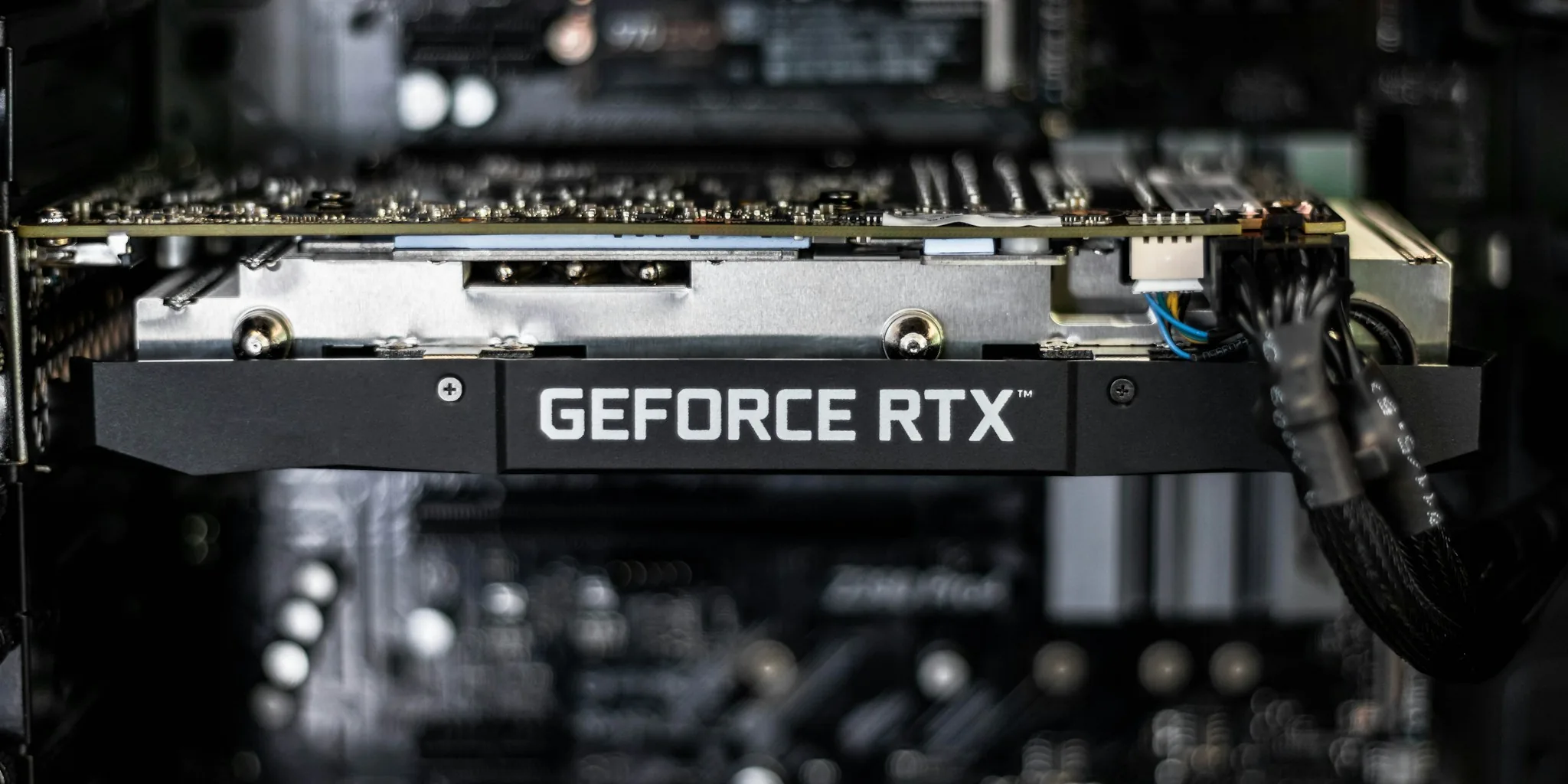
If you’ve been eyeing a new graphics card, brace yourself for sticker shock. Major manufacturers are signaling significant price increases across their lineups, with entry-level and budget models facing the steepest jumps. For consumers looking to upgrade or build a PC on a tight budget, understanding what’s driving these changes is crucial to making smart purchasing decisions.
Why Graphics Card Prices Are Climbing
The primary culprit behind rising costs is simple: memory expenses are skyrocketing. Graphics memory prices have jumped substantially in the first half of 2026 and are expected to continue climbing through the second half of the year. Memory represents a significant portion of a graphics card’s bill of materials, so when those costs rise, manufacturers have little choice but to pass the expense along to consumers.
However, industry watchers suggest that the full story is more complex. While memory cost increases are real and documented, some analysts believe manufacturers are raising prices by even more than the actual rise in component costs. This means that beyond legitimate manufacturing expenses, profit margins may be expanding as well. The combination of genuine cost pressures and strategic pricing decisions is creating a perfect storm for budget-conscious buyers.
The Budget Card Crisis Is Just Beginning
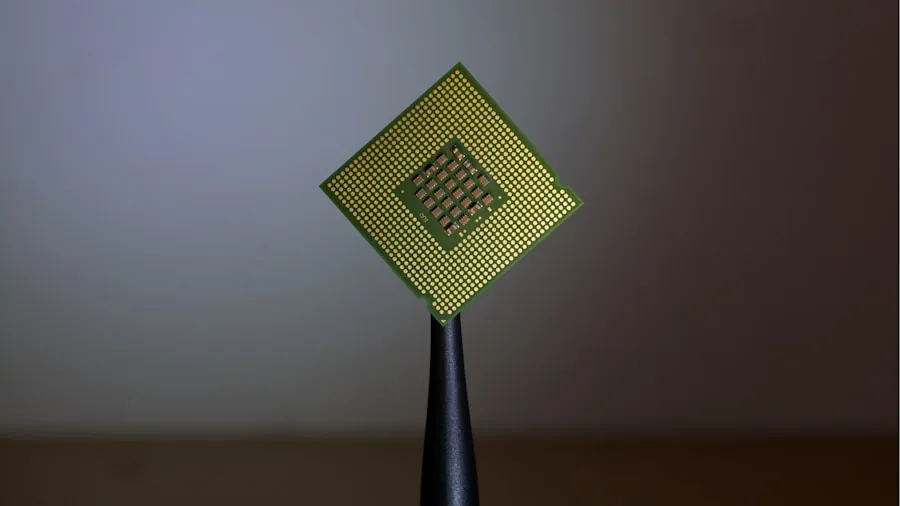
Here’s where the situation gets particularly concerning for consumers shopping for affordable options: entry-level and budget graphics cards will see the most severe price increases. This is a notable shift from recent pricing trends, where high-end models have absorbed most of the cost increases.
According to production data, availability of budget graphics cards is declining sharply, which typically drives prices even higher. When supply becomes limited, competition among buyers intensifies, allowing sellers to command premium pricing. If you’re looking for a solid graphics card under $300, the window to purchase at current prices may be closing quickly.
Shipments of graphics cards overall have fallen significantly, with some production segments experiencing unit volume drops exceeding 30 percent. Despite these shipment declines, total sales revenue is climbing rapidly, a clear indicator that average prices per unit are rising across the board. This divergence between falling unit sales and rising revenue tells consumers that manufacturers are prioritizing profit margins over sales volume.
What This Means for Different Buyer Segments
The pricing squeeze is not hitting all consumer segments equally. High-end graphics cards, which contain more memory and advanced features, have already experienced substantial price increases. These premium models are seeing less dramatic changes ahead because much of their price adjustment has already occurred.
Entry-level buyers face a different situation. Budget-conscious consumers who were hoping to grab an affordable graphics card for basic gaming or content creation are now facing either significantly higher prices or potential unavailability. The shortage of budget options is especially problematic because it leaves less-affluent consumers with fewer alternatives.
In the professional and OEM space, the dynamics are slightly different. Large manufacturers like Dell and HP have more negotiating power and greater access to actual cost information, which may help them maintain more stable pricing on systems they build. However, consumers buying retail graphics cards will not have these advantages.
Industry Signals Point to Sustained High Prices
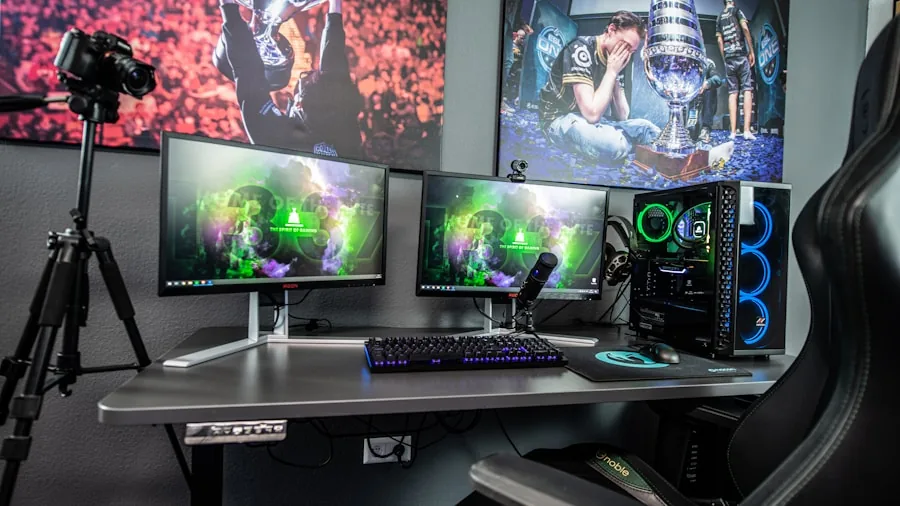
Market analysts tracking the industry report substantial growth in graphics card sales revenue despite declining unit shipments. In the first quarter of 2026 alone, graphics card sales jumped approximately 76 percent year-over-year in dollar terms, even as unit sales increased only 28 percent. This gap reveals the extent of pricing increases already baked into the market.
Production data suggests that the worst is not yet behind us. Manufacturers specifically warn of continued pressure in the second half of 2026, with memory costs expected to rise further. Unless memory pricing stabilizes or declines, consumers should expect that graphics card prices will remain elevated through the remainder of the year and possibly into 2027.
What Shoppers Should Do Now
If you’re planning a graphics card purchase, timing matters. Current market conditions suggest that prices are likely to increase rather than decrease in coming months. Those with flexible timelines should prioritize their purchases sooner rather than later, especially if seeking graphics cards under $500.
Budget-conscious buyers should carefully evaluate their actual performance needs. Sometimes stepping up to a slightly higher tier makes sense if the base model you wanted is no longer available or has become unexpectedly expensive. Conversely, if you can delay your purchase, waiting for supply conditions to normalize might eventually bring prices down.
Monitor announcements from major manufacturers closely. Market conditions can shift based on memory pricing, new product launches, and overall demand trends. Staying informed about inventory levels and pricing trends will help you identify the best window for your upgrade.
About the author
Katrina covers graphics cards for REMOVU, tracking gaming performance, features, and value as prices shift with every launch. She helps builders find the right GPU for their resolution and budget.