PlayStation Ending Physical Game Discs: What Shoppers Should Know About Price Changes
PlayStation is ending physical discs in 2028. Will digital games finally get cheaper, or will you pay more?
 By Serenity Richards
Updated August 16, 2026
By Serenity Richards
Updated August 16, 2026
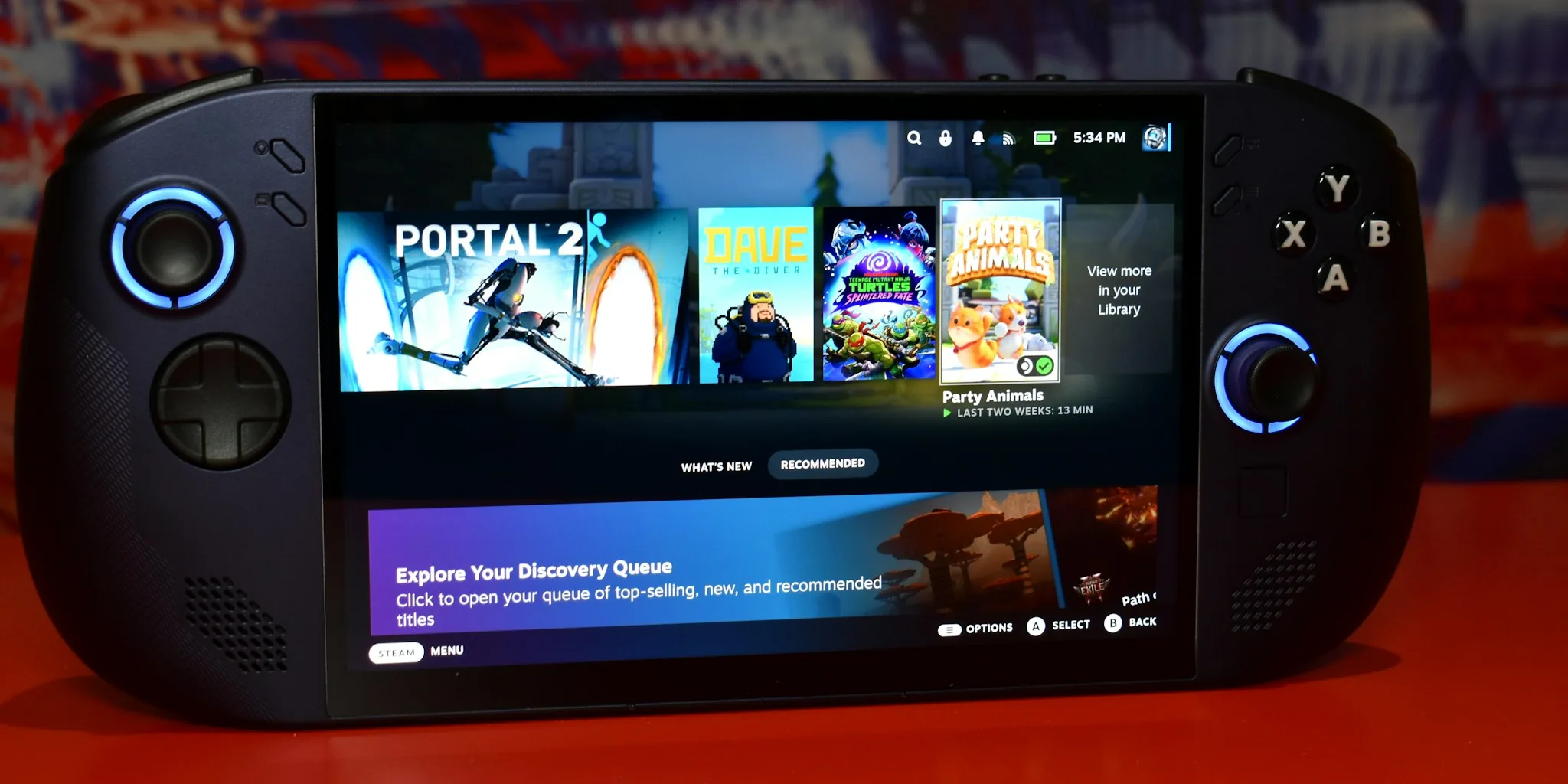
Sony has announced a significant shift in its gaming strategy: PlayStation will discontinue physical disc production for new games starting January 2028. The company framed this decision as a natural evolution toward digital distribution, but the move raises important questions for consumers about pricing, ownership, and long-term value. Understanding what this change means for your wallet and gaming library is crucial before the transition takes full effect.
The Promise vs. the Reality of Digital Pricing
When physical media exits the picture, a common argument suggests that game prices should drop. The theory sounds logical: manufacturing discs, packaging them, and shipping them to retailers costs money. Remove those expenses, and prices should reflect the savings. However, this reasoning overlooks a fundamental reality about how digital markets actually work.
Digital games already exist alongside physical versions today, yet they carry identical launch prices. Publishers could have lowered digital prices years ago to reflect their lower production costs, but they haven’t. This suggests that cost reduction doesn’t automatically translate into consumer savings. Instead, companies typically use margin improvements to boost profitability or fund increasingly expensive game development cycles. Without competitive pressure, there’s little incentive to pass savings to buyers.
The Competitive Landscape Problem
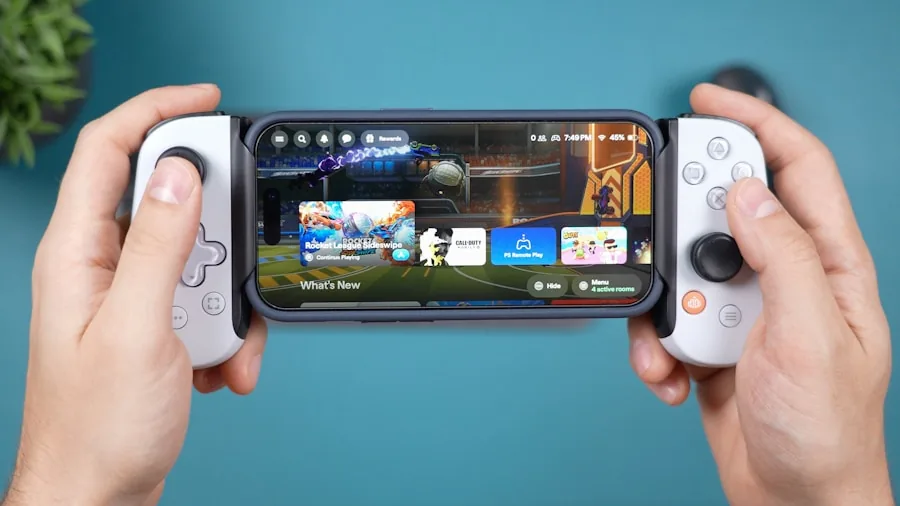
The comparison often made is to Steam, the digital PC platform known for frequent sales and competitive pricing. However, PlayStation operates in a fundamentally different environment. Steam competes against the Epic Games Store, GOG, the Microsoft Store, and numerous other authorized retailers. If a game costs too much on one platform, players can purchase it elsewhere.
PlayStation has no such alternative ecosystem. There is no Epic Games equivalent, no third-party authorized marketplace, and no competing digital storefront for PS5 games. When you want to buy a digital PlayStation game, Sony controls the only legitimate transaction point. This monopolistic control removes the store-level competition that drives prices down on PC. Publisher competition alone cannot replicate the pricing pressure that multiple storefronts create.
When selecting your next game console, understanding these marketplace differences becomes essential for evaluating long-term value.
The Secondary Market Disappears
Physical discs serve purposes beyond being another format option. They enable a thriving secondary market where players buy used copies, trade titles with friends, lend games to one another, and hunt for discounted versions at retailers. This resale ecosystem creates natural price competition around official launch prices.
Digital games cannot participate in these activities. A retailer with limited shelf space and aging inventory has financial motivation to discount physical copies to clear stock. The PlayStation Store faces no such pressure. Digital inventory doesn’t degrade, doesn’t require storage space, and can remain at a fixed price indefinitely. Removing physical options eliminates this layer of consumer leverage that currently keeps digital pricing somewhat competitive.
Sony’s Track Record Raises Concerns
Sony’s history with digital pricing doesn’t inspire confidence that consumers will benefit. The company currently faces multiple legal challenges regarding PlayStation Store pricing. A Dutch consumer group alleges that Sony’s exclusive control over digital game sales has resulted in artificially inflated prices, with some digital games and DLC reportedly costing up to 47 percent more than physical alternatives. Similar antitrust actions are underway in the UK, Portugal, and the United States.
Additionally, Sony has conducted extensive A/B pricing experiments across more than 190 games in over 70 regions, including its own titles. These tests demonstrate that digital storefronts enable sophisticated pricing strategies tailored to different users and markets. A move away from physical media amplifies Sony’s ability to implement complex pricing structures without the counterweight of secondary market competition.
The Ownership and Preservation Issue
Beyond pricing, eliminating physical media removes consumer ownership rights. Physical game purchases remain in your possession permanently. Digital purchases are tied to your account, platform, and licensing agreements with Sony. Games can disappear from digital storefronts due to expired music licensing, character rights, or other contractual issues. Once delisting occurs, legitimate access becomes impossible for digital-only titles.
While modern games often require large downloads or online services to function, physical media still provides a tangible backup. Losing this option means future gaming libraries depend entirely on Sony’s decisions about licensing, preservation, and availability. This represents a genuine loss of consumer control, separate from pricing concerns.
To stay informed about gaming technology changes, explore portable SSD options for secure game storage and backup strategies.
What Xbox Is Doing Differently
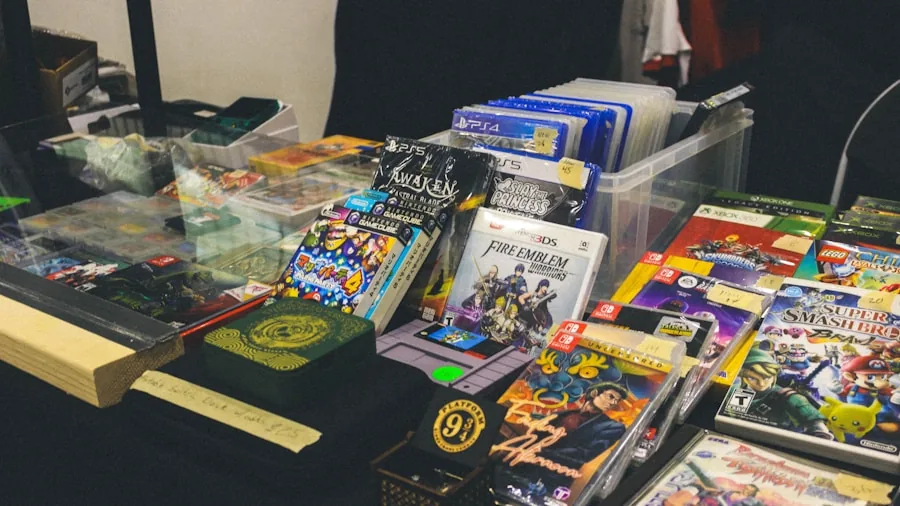
Microsoft’s approach offers an instructive contrast. Xbox is reportedly developing systems to let players convert eligible physical disc purchases into digital library access rather than forcing complete repurchase. Combined with Microsoft’s broader commitment to backward compatibility across four console generations, this strategy acknowledges the value consumers placed in their physical collections while transitioning toward digital distribution.
Sony has announced no equivalent program. For PlayStation owners, the transition from disc to digital appears to be a one-way street without bridge options for existing physical libraries.
What Shoppers Should Do Now
The critical takeaway: cheaper digital games aren’t guaranteed. Removing manufacturing costs doesn’t automatically transform Sony into a consumer-friendly pricing champion. Instead, eliminating physical media removes competing forces that currently restrain digital pricing. Before January 2028 arrives, consider whether your gaming habits favor ownership and resale flexibility or accept the limitations of digital licensing. Evaluate pricing trends on titles you enjoy, and understand that future availability may depend on factors entirely outside your control.
About the author
Serenity covers home game consoles for REMOVU, weighing performance, exclusive libraries, and the ecosystem each platform locks you into. She helps players pick the console that fits how and what they play.