Xbox Console Exclusivity Strategy: What Gamers and Buyers Need to Know About Future Blockbuster Titles
Microsoft leadership signals a return to console exclusives, but major questions remain about strategy and profitability.
 By Serenity Richards
Updated August 14, 2026
By Serenity Richards
Updated August 14, 2026

The gaming industry is watching Microsoft make a critical decision about its console strategy, and the outcome could reshape how and where players purchase major franchises like The Elder Scrolls and Fallout. Under new Xbox leadership, the company is debating whether to make tentpole games exclusive to its hardware, reversing a recent approach that prioritized multi-platform availability.
The Shift Toward Exclusivity
Xbox leadership is signaling a return to exclusive games as a platform differentiator. The incoming CEO has announced plans to bring back exclusivity starting with titles like Gears of War: E-Day and Clockwork Revolution next year. This represents a significant departure from the previous strategy that allowed major franchises to launch across PlayStation and other platforms. The speculation centers on whether blockbuster franchises like The Elder Scrolls 6, recently teased as Sentinel, and Fallout 5 could become Xbox console exclusives.
For decades, console wars have hinged on exclusive games that drive hardware purchases. PlayStation built its dominance partly through exclusive franchises, while Nintendo’s strategy has always relied on exclusive titles. Xbox had stepped back from this approach, reasoning that multi-platform availability would boost game sales and recurring revenue through services like Xbox Game Pass. However, this strategy coincided with declining hardware sales and market share losses, prompting a strategic reevaluation.
The Case Against Making Games Exclusive

Several practical arguments favor keeping major releases on multiple platforms. The cost of modern AAA game development means publishers cannot afford to ignore audiences based on hardware choice. Games like The Elder Scrolls 6 and Fallout 5 represent investments of hundreds of millions of dollars, and limiting them to one console ecosystem could significantly impact profitability margins.
Additionally, console hardware is more expensive than ever. Players today are less willing to purchase multiple systems or upgrade specifically for one game. Those who own PlayStation 5s would simply skip an exclusive Elder Scrolls 6 instead of buying an Xbox Series X or waiting for a PC version. For a game publisher, that represents lost revenue with no guarantee of converting those players to the ecosystem.
Microsoft executives have publicly argued that blanket market access drives profitability. During legal proceedings, company leadership explained why major titles like Call of Duty remain multi-platform, emphasizing that restricting access arbitrarily harms a game’s financial potential. Similar logic would apply to other premium franchises.
The Case for Exclusivity
The counterargument is equally compelling. Studies suggest that up to 50 percent of Xbox users also own PlayStation consoles, meaning an exclusive Elder Scrolls 6 would still reach tens of millions of potential buyers. Those players would likely choose between purchasing on Xbox, downloading via PC through Steam, or using cloud gaming services. None of these options would benefit PlayStation or competitors.
More importantly, exclusive games send a strong market signal. When players consider buying gaming consoles, they evaluate available titles. Without exclusive content, there is little reason to invest in an Xbox when competitors offer similar multi-platform access to the same games. A flagship exclusive like Elder Scrolls 6 could provide the justification players need to commit to the ecosystem.
By the time Elder Scrolls 6 launches, Xbox will also have new cloud gaming features and direct-to-WiFi controllers available. An exclusive major title could drive adoption of these emerging services, expanding the addressable market beyond traditional console hardware owners. Additionally, Xbox could follow the Call of Duty model by keeping the game off Game Pass for a period after launch, ensuring premium pricing and stronger initial sales.
What This Means for Shoppers
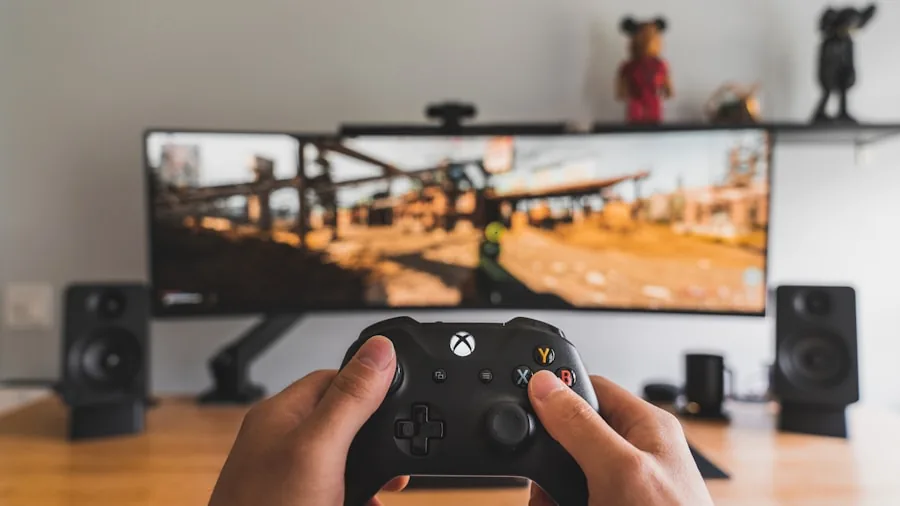
This debate directly affects consumer choices and spending. If Microsoft commits to major exclusives, buyers considering a new console purchase should understand that platform selection determines which games remain accessible. Conversely, if exclusivity remains limited, platform choice becomes less critical for accessing major franchises, making all current-generation consoles roughly equivalent in terms of available blockbuster titles.
The uncertainty also impacts purchasing timing. Players waiting for Elder Scrolls 6 might delay buying a new console until the exclusivity question is settled. Those seeking external storage solutions and other accessories should monitor whether their preferred platform receives major exclusive games in the coming years, as this could influence long-term value.
The Broader Picture
Industry observers note that Xbox needs a sustained commitment to exclusivity to make this strategy work. One or two exclusive releases will not rebuild platform momentum lost over the previous two generations. A comprehensive strategy with multiple high-quality exclusive titles, announced with clear timelines, would be necessary to convince skeptical consumers to invest in Xbox hardware.
The comparison to PlayStation and Nintendo is instructive. Both companies actively develop and prioritize exclusive content because it directly drives hardware sales. If Microsoft intends to compete seriously, a similar all-in approach to exclusivity would be required. However, whether the company possesses the competitive drive and developer resources to maintain such a strategy remains an open question.
The Elder Scrolls 6 decision will likely set the tone for Xbox’s direction over the next decade. Whether Microsoft chooses profitability through maximum distribution or market influence through strategic exclusivity will reshape how the gaming industry approaches blockbuster releases going forward.
About the author
Serenity covers home game consoles for REMOVU, weighing performance, exclusive libraries, and the ecosystem each platform locks you into. She helps players pick the console that fits how and what they play.