Gigabyte Revives Budget B450 Motherboard to Combat DDR4 Price Crisis
Eight-year-old chipset returns with new models to combat soaring memory prices and platform upgrade costs.
 By Ken Mendoza
Updated August 14, 2026
By Ken Mendoza
Updated August 14, 2026
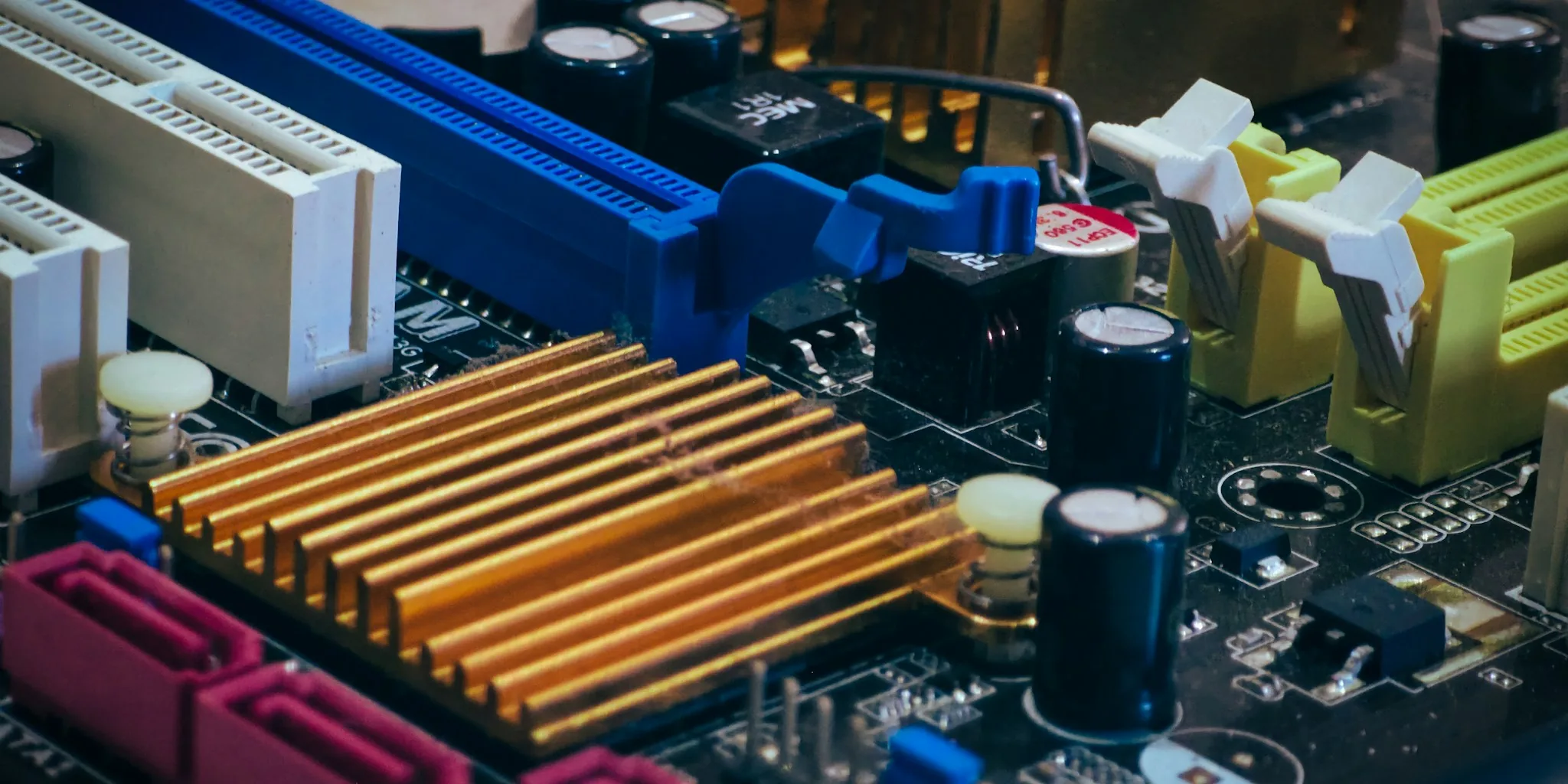
The ongoing shortage of affordable memory has pushed DDR5 RAM prices to premium levels that strain most PC builders’ budgets. In response, manufacturers are bringing back older, proven platforms that work with cheaper DDR4 memory. Gigabyte has now quietly launched new motherboards based on AMD’s B450 chipset, a platform that first arrived eight years ago but remains one of the most reliable budget options for the AM4 socket.
Why Gigabyte is Resurrecting an Eight Year Old Chipset
The B450M D3HP and B450M D3HP WIFI6E represent Gigabyte’s attempt to address what many builders face today: the staggering cost of DDR5 memory. Rather than force consumers to upgrade to new platforms that demand expensive new RAM, bringing back B450 boards lets buyers pair DDR4 at substantially lower price points. The B450 chipset earned its reputation as the budget champion of AM4 for good reason, offering reasonable performance without unnecessary frills.
These new microATX models feature a straightforward 4+2-phase power delivery system that may seem modest compared to premium offerings, but the design is entirely adequate for the processors this platform supports. What makes this particularly valuable is the compatibility span: these boards work with multiple generations of AMD Ryzen processors, from the Ryzen 3000 series through the Ryzen 5000 series, as well as the corresponding APU lineups. Whether you pair a modest 35-watt processor or jump to the flagship Ryzen 9 5950X at 105 watts, these motherboards handle the full range.
Specifications and Connectivity Features
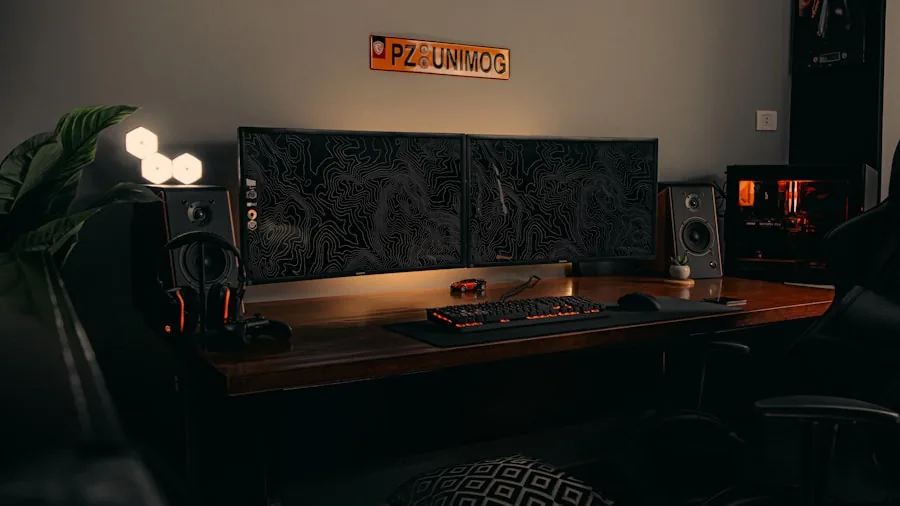
Both the B450M D3HP and the WIFI6E variant come equipped with four DDR4 memory slots supporting up to 128GB of capacity at DDR4-2667 speeds. This memory ceiling provides plenty of room for demanding workloads and gaming without the financial shock of DDR5 adoption. Storage flexibility is robust, with two M.2 slots: one operates at PCIe 3.0 x4 for faster NVMe drives, while the other runs at PCIe 2.0 x2 for secondary drives. For builders with older storage devices, four SATA III connectors ensure backward compatibility.
The boards provide one PCIe 3.0 x16 slot for graphics cards and one PCIe 2.0 x1 expansion slot for additional peripherals. Display connectivity includes one DisplayPort 1.2 and two HDMI 2.0b outputs, supporting both discrete and integrated graphics configurations. USB connectivity consists of seven ports: four USB 3.2 Gen 1 connections and three USB 2.0 ports. A single Gigabit Ethernet port handles network connectivity, while a practical Q-Flash Plus button allows BIOS updates without requiring a processor or memory installed.
The WIFI6E Difference
The main distinction between the two models lies in the WIFI6E variant, which includes wireless connectivity via a Realtek RTL8852CE controller. This addition brings Wi-Fi 6E support alongside Bluetooth 5.4 for modern wireless peripherals, making it ideal for builders who prioritize a cleaner desk setup without Ethernet cables. For those who need wired networking or already have separate Wi-Fi solutions, the standard D3HP model omits these features to keep costs lower.
What This Means for Your Budget
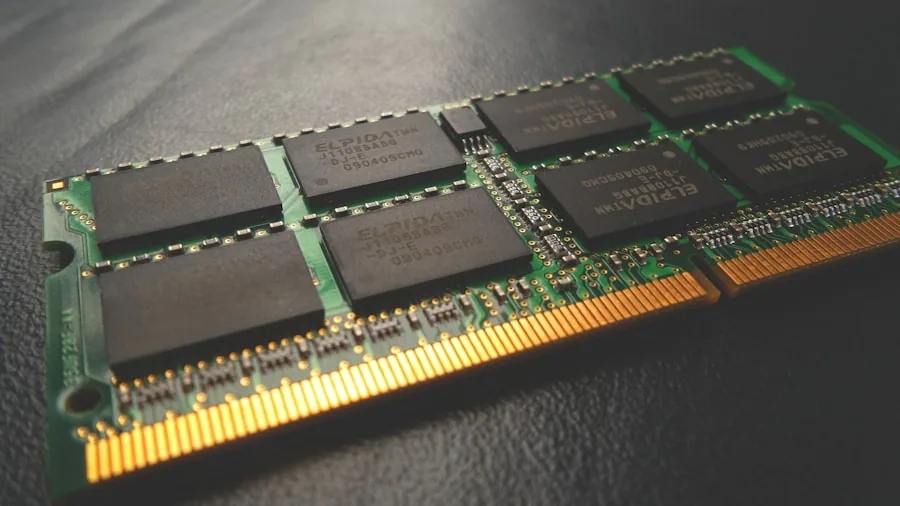
When B450 boards originally shipped, entry-level models typically started around fifty dollars, mid-range options at eighty dollars, and premium variants at one hundred dollars or more. These new releases should fall into the entry-level pricing category, though current market conditions make exact predictions uncertain. At this point, neither board has appeared at major U.S. retailers, and Gigabyte has not officially announced pricing.
The real benefit for shoppers is straightforward: these boards offer a practical escape route from the expensive motherboard and RAM combinations required for new platforms. If you are building a new system or upgrading an older one, choosing a B450 platform with DDR4 memory can deliver substantial savings compared to jumping to AM5 with DDR5. The processors supported by these boards are mature, widely available at discount prices, and perfectly capable for gaming, productivity work, and content creation.
Compatibility and Future Considerations
One important factor is that AMD promised extended BIOS support for B450 boards, allowing them to run newer Ryzen chips than originally planned. This compatibility pledge has held up, meaning your investment in a B450 board today will continue working with a range of processors for years to come. The choice between a B450 and a newer platform ultimately depends on your specific needs, budget constraints, and whether you can tolerate DDR4’s eventual obsolescence in new builds.
For budget conscious builders and those seeking value without compromise, the return of B450 motherboards arrives at exactly the right moment. Whether Gigabyte maintains historical pricing or adjusts for current market realities, these boards represent a sensible alternative to premium platforms for a substantial portion of PC builders.
About the author
Ken covers motherboards for REMOVU, comparing features, power delivery, and value across sockets. He helps builders pick a solid foundation with room to upgrade.