The 9 Best Smartphones for Photography
Camera phones, clip-on lenses, gimbals, and mounts compared side by side. Find the right mobile photography setup for your budget and shooting style.
 By Melissa Lambert
Updated July 26, 2026
By Melissa Lambert
Updated July 26, 2026
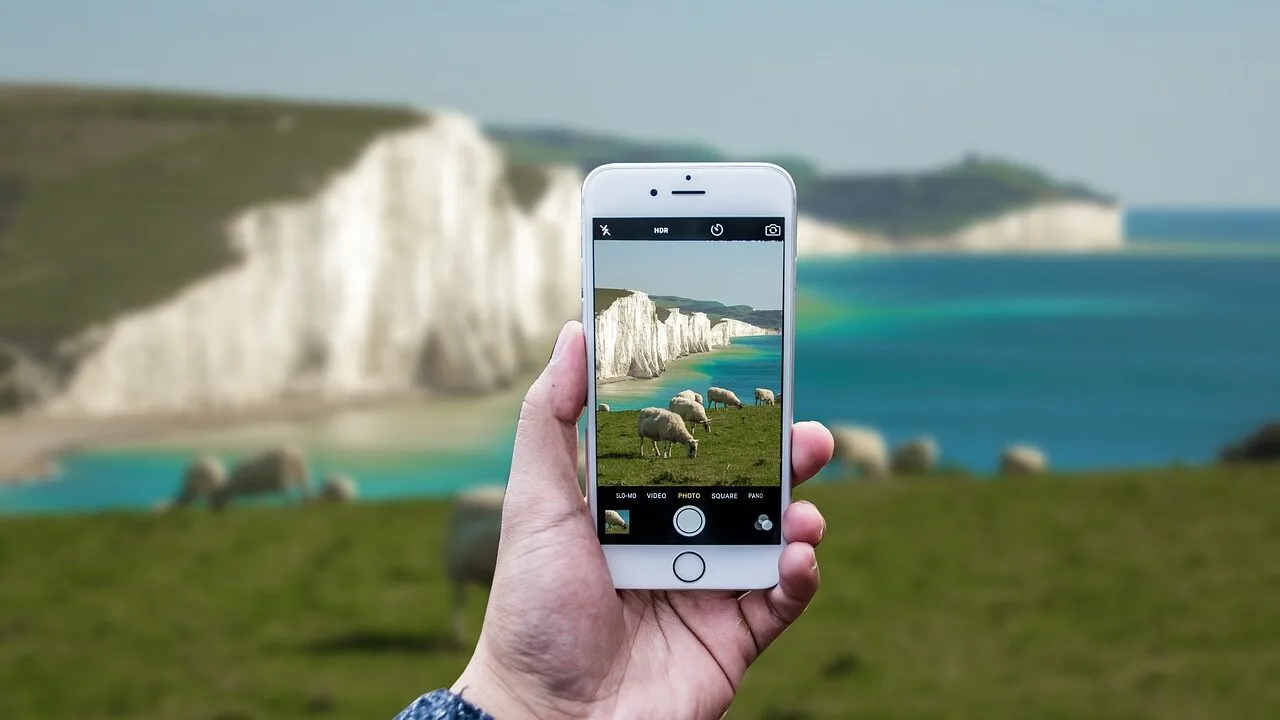
Smartphone photography has come a long way from grainy snapshots.
Today’s camera phones can rival dedicated point-and-shoots in many situations, and a growing ecosystem of accessories, including gimbals, lens attachments, tripod mounts, and rugged handsets built around imaging, makes it possible to push mobile photography even further.
Whether you want sharper travel portraits, smoother video for social media, or close-up macro shots of nature, the right combination of hardware can make a real difference.
For a broader look at dedicated imaging hardware, our roundup of mirrorless cameras for wildlife photography is a useful companion read.
At REMOVU, we researched this field by analyzing published specifications, synthesizing expert review consensus across the photography and mobile tech press, and weighing verified buyer feedback to surface the options that deliver the most value at each price level.
Every product in this list carries a REMOVU Score on our 0 to 10 scale.
The picks below cover everything from a flagship-tier Android handset to clip-on lenses, stabilizers, and mounts, so you can build the mobile photography setup that fits your actual shooting style and budget.
| Award | Product | REMOVU Score About REMOVU ScoreThe REMOVU Score is our own rating from 0 to 10, based on performance, design and build, ease of use, and value. It reflects independent research and is never influenced by manufacturers, retailers, or affiliate commissions. Learn more › | Price | |
|---|---|---|---|---|
| Best Overall |
 Samsung Galaxy A17 5G 128GB Unlocked
|
7.6/10 | Buy | |
| Best Premium |
 DJI Osmo Mobile 7P 3-Axis Phone Gimbal with Tracking
|
7.3/10 | Buy | |
| Best Value |
 SmallRig Universal Phone Cage with Dual Handles
|
7.1/10 | Buy | |
| Best Budget |
 SYNCWIRE SW1001 Universal Phone Tripod Mount
|
6.8/10 | Buy | |
 Apexel HB100 10X Macro Lens for Smartphones
|
6.4/10 | Buy | ||
 MIAO LAB 28X Telephoto Lens for Smartphones
|
6.3/10 | Buy | ||
 Bostionye 11-in-1 Phone Lens Kit with 20x Telephoto
|
6.2/10 | Buy | ||
 LEKNES 3-in-1 Phone Lens Kit: 198° Fisheye, Macro, Wide-Angle
|
6.2/10 | Buy | ||
 MMY I16 ProMa-x 6.99" Rugged Android 15 Phone
|
6.2/10 | Buy |
Samsung Galaxy A17 5G 128GB Unlocked
Mid-range 5G phone with a large 6.7-inch Super AMOLED display, triple camera setup, and 6 years of OS and security updates. Strong value for everyday users prioritizing durability and long-term software support over cutting-edge performance.
Pros
- Generous 6.7-inch screen with vibrant Super AMOLED panel brings content to life
- Long-term software commitment ensures device remains secure and current for 6 years
- IP54 durability with Gorilla Glass Victus front provides solid protection against daily wear
- Expandable storage up to 2TB removes practical storage constraints
- Dual SIM and carrier-unlocked design offers connectivity flexibility
Cons
- 25W charger sold separately despite being marketed as a key feature
- Exynos 1330 processor is entry-level, limiting performance compared to competitors like Galaxy A36 with Snapdragon 6
- 60Hz refresh rate feels dated given competitive midrange phones now offer 90Hz or higher
- IP54 rating provides limited water resistance; not recommended for beach or pool use
DJI Osmo Mobile 7P 3-Axis Phone Gimbal with Tracking
A flagship phone gimbal designed for content creators who need intelligent tracking and built-in stabilization without extra accessories. The integrated Multifunctional Module handles subject tracking, audio reception, and fill lighting in one unit, while the 3-axis gimbal delivers cinema-quality stability for vlogs, live streams, and creative shots.
Pros
- Native intelligent tracking with dual-lens support allows subjects to move freely while staying in sharp focus
- All-in-one design includes built-in extension rod and tripod, eliminating need for separate gear
- Impressive 10-hour battery life with phone charging capability when module is used as mic receiver
- Quick Launch and One-Tap Edit features streamline filming and editing workflow for beginners and pros
- Strong 4.6-star rating from 6,800+ verified buyers confirms reliability and user satisfaction
Cons
- Heavier than some alternatives at 368 grams, which may cause fatigue during extended handheld use
- DJI Mimo app removed from Google Play, requiring users to download from official website instead of standard app store
- Multifunctional Module is standard but adds cost and complexity compared to basic gimbal-only models
SmallRig Universal Phone Cage with Dual Handles
A lightweight aluminum phone rig designed for mobile content creators who need stable handheld footage and expandable accessory mounting. The dual-handle design and multiple attachment points make it versatile for vlogging and filmmaking, though assembly instructions could be clearer.
Pros
- Reduces camera shake significantly during handheld video work without electronic stabilization
- Multiple expansion ports allow customization with various professional accessories
- Secures phones firmly without blocking hands or fingers in frame, even with protective cases
- Solid aluminum construction feels durable for long-term use
- Lightweight enough for extended handheld shooting sessions
Cons
- Assembly instructions lack clarity on handle installation, requiring trial or external guidance
- Smaller Allen wrench can get lost since magnetic storage is only on larger wrench holder
- No built-in electronic stabilization, relying solely on ergonomic design and dual handles
SYNCWIRE SW1001 Universal Phone Tripod Mount
A lightweight, compact phone mount with 360-degree rotation and dual cold shoe accessories for content creators and mobile photographers. Works with most modern smartphones and mounts to standard 1/4" tripod threads for hands-free setups.
Pros
- Solid build quality with secure clamping even with bulky phone cases
- Dual cold shoe mounts enable simultaneous attachment of microphone and light for content creation
- Excellent compatibility with existing tripods and camera equipment via standard 1/4" mount
- Smooth rotation and tilt adjustments allow seamless landscape-to-portrait transitions
Cons
- Clamp tension is very tight when new, making phone insertion and removal difficult
- Vertical tilt bracket has slight play even when fully tightened, causing minor position drift after adjustment
- Internal spring-based clamping mechanism may wear out over time and lose gripping tension
Apexel HB100 10X Macro Lens for Smartphones
A clip-on macro lens with multi-coated glass optics designed for extreme close-up photography on nearly any smartphone. Works best at 1.5-2.7 inches from subjects and requires manual focus adjustment through your phone's camera app.
Pros
- Quality glass construction with multi-layer coatings reduces reflections and improves image clarity
- Large aperture design produces smooth, natural background blur for macro photography
- Truly universal compatibility across iOS and Android devices without requiring additional apps
- Compact and portable with included accessories for on-the-go macro shooting
Cons
- Very limited working distance of 1.5-2.7 inches requires precise positioning and can be awkward to use
- Manual focus only, no autofocus capability means you adjust through your phone's camera controls
- Not water resistant, so not suitable for outdoor or wet environments
- No verified user reviews available to assess real-world performance and durability
MIAO LAB 28X Telephoto Lens for Smartphones
A budget smartphone telephoto lens offering 28x magnification across iPhone, Samsung, and Android devices. While buyers praise metal construction and performance at concerts and wildlife events, the clip attachment shows durability concerns and image stabilization requires a steady hand.
Pros
- Solid metal construction and optical quality at budget price point
- Delivers sharp, detailed results for concert and wildlife photography
- Works with major smartphone brands including iPhone, Samsung, Huawei, Xiaomi
- Portable with included carrying case and tripod attachment
Cons
- Clip attachment reportedly lacks durability and can break or misalign during use
- Significant shakiness when zoomed in; requires stable hands or tripod for clear shots
- 10% image distortion and requires close focusing distance of 16.4 feet minimum
Bostionye 11-in-1 Phone Lens Kit with 20x Telephoto
A comprehensive multi-lens attachment system for smartphones featuring 11 optical elements including 20x telephoto, 0.63x wide angle, 15x macro, and 198-degree fisheye lenses. Best suited for mobile photography enthusiasts willing to invest time in careful setup and manual focusing.
Pros
- Extensive lens variety in one kit covers landscape, portrait, macro, and creative shooting needs
- Universal clip design works across most iPhone and Android models without permanent modification
- Includes practical accessories like tripod and eyecup that enhance usability
- Affordable all-in-one solution compared to buying individual lenses separately
Cons
- Requires careful manual focus adjustment and setup process with multiple steps for proper alignment
- Not recommended for iPhone 12 Pro Max and iPhone 13 Pro Max models due to triple-camera interference issues
- Manual focus design demands patience and skill to achieve sharp results; no image stabilization included
- Phone case removal required during use, adding friction to the workflow
LEKNES 3-in-1 Phone Lens Kit: 198° Fisheye, Macro, Wide-Angle
This clip-on lens kit delivers three distinct shooting modes (fisheye, macro, wide-angle) with aluminum construction at a budget price point. It's straightforward to use but requires removing your phone case for optimal results, and compatibility varies by device.
Pros
- Solid build quality for the price: machined aluminum body and properly coated lenses feel more premium than expected
- Macro lens performs well for detailed close-ups, earning praise from content creators shooting product/jewelry photography
- Convenient clip-on system avoids the need for a dedicated phone case, offering flexibility across devices
- Wide-angle lens meaningfully expands field of view for landscapes and group shots
- Includes carrying bag and lens covers for protection
Cons
- Requires removing phone case for best performance, which creates inconvenience and drops risk if you leave it unprotected
- Incompatible with newer ultra-wide camera phones (iPhone 11-17 series, Samsung S/Note Ultra models)
- Wide-angle lens exhibits vignetting at edges; some users note positioning takes practice to align properly with phone camera
MMY I16 ProMa-x 6.99" Rugged Android 15 Phone
A large-screen Android 15 phone built for durability with IP68 waterproofing, drop resistance, and a massive 22000mAh battery designed for outdoor use. Specs-heavy offering includes a Snapdragon 8s Gen4 processor, 32GB RAM with 1TB storage, dual cameras (108MP rear, 68MP front), and night vision photography support.
Pros
- Exceptional battery capacity (22000mAh) reduces frequent charging for outdoor activities
- Rugged build with IP68 certification, high-altitude drop evaluation, and dust protection
- High storage capacity (1TB) and generous RAM (32GB) for multitasking and media libraries
- Night vision and underwater photography support differentiates from standard phones
- Multiple connectivity options including dual 5G SIM, NFC, infrared, and GPS
Cons
- No verified buyer reviews on record, making real-world durability and reliability claims difficult to validate
- Brand MMY has limited market presence and recognition compared to major manufacturers
- Extremely large form factor (6.99 inches) may be impractical for one-handed use or daily carry for some users
Smartphones for Photography Buying Guide
Picking gear for mobile photography is not just about megapixels or price. The factors below are the ones that actually separate a satisfying shooting experience from a frustrating one.
Read through each section to understand what to prioritize for your specific needs before spending any money.
Camera Sensor Quality and Software Processing
The image sensor and the computational photography software working on top of it are the two biggest determinants of photo quality on any smartphone.
A larger sensor captures more light per pixel, which translates to better low-light performance and more natural-looking bokeh.
However, sensor size alone does not tell the whole story: a manufacturer’s image signal processor and AI scene detection can dramatically lift or suppress the raw potential of the hardware beneath it.
When comparing handsets, look at how they perform in dim indoor light, not just bright outdoor conditions. Expert reviewers routinely note that the gap between mid-range and flagship phones narrows in daylight but widens considerably indoors or at night.
Phones that advertise very high megapixel counts (90MP, 108MP) sometimes achieve those numbers through pixel binning rather than a genuinely large sensor, so cross-check published sensor dimensions when you can.
If your main phone already has excellent optics, a dedicated waterproof action camera might be a worthwhile addition for outdoor and adventure situations where the phone’s form factor becomes a liability.
Lens Attachments: Add-On Optics Worth Considering

Clip-on lens kits are one of the most affordable ways to expand what your phone can shoot. Wide-angle attachments let you fit more of a landscape or a room into the frame without stepping back.
Macro lenses open up extreme close-up photography that few smartphone cameras can achieve natively. Telephoto add-ons compress perspective and bring distant subjects closer, though optical quality can vary significantly between budget and mid-range options.
The critical variable with any clip-on lens is alignment. A lens that clips slightly off-center will blur one side of the frame even if the glass itself is decent.
Look for kits that include a sturdy, well-machined clamp rather than a thin plastic clip. Verified buyer feedback for the options in this roundup consistently flags clip quality as the make-or-break factor at the budget end of the market.
Multi-lens kits that bundle fisheye, wide-angle, macro, and telephoto elements in one box offer good value if you genuinely need variety, but each lens in such a kit tends to make trade-offs in coatings and sharpness.
A single purpose-built macro lens, like the Apexel professional macro attachment in this list, often outperforms the macro element bundled in an eleven-piece budget kit. Choose based on which focal length you will actually reach for most often.
Stabilization: Gimbals vs. Built-In OIS
Optical image stabilization built into modern smartphones does a solid job of compensating for minor hand tremor in photos and short video clips.
For longer video recordings, walking shots, or dynamic action footage, that built-in system reaches its limits fairly quickly. This is where a three-axis gimbal or a rigid phone cage rig makes a measurable difference.
A motorized gimbal like the DJI Osmo Mobile 7P actively counters movement in real time, producing footage that looks close to what you would expect from a mounted camera.
The trade-off is bulk, charge time, and the learning curve of operating a second device while composing a shot.
A passive cage rig like the SmallRig universal phone cage adds grip handles and accessory mounting points without motorized compensation, which means it relies more on the shooter’s technique but adds almost no weight penalty and never runs out of battery.
For creators already invested in video beyond mobile, pairing a gimbal setup with a proper travel tripod gives you both stable static shots and smooth moving footage from the same kit bag.
If video is your primary use case, also consider our coverage of camcorders for YouTube creators, which puts dedicated video hardware in context alongside mobile solutions.
Mounting Systems and Tripod Compatibility

A tripod mount adapter is a deceptively important piece of the mobile photography puzzle. Without one, you cannot use a standard tripod, studio lighting stand, or microphone arm with your phone.
The best adapters offer a universal clamp that adjusts for different phone widths, a standard quarter-inch screw thread for tripod heads, and ideally a cold shoe or two so you can add an external microphone or a small LED light panel.
Rotation range matters too. An adapter that only tilts vertically forces you to reposition the entire tripod when you want to switch between landscape and portrait orientation.
Models that offer both 360-degree rotation and significant tilt adjustment give you far more flexibility in the field without adding meaningful cost.
The SYNCWIRE tripod phone mount in this list is a strong example of what you can get at the budget end of this category.
If you shoot photos and video outdoors frequently, consider how your mounting system interacts with your other gear.
A rigid phone mount can double as a way to add a quality microphone for YouTube directly to your rig, keeping audio synchronized and your kit compact.
For adventure shoots where weather is a concern, our guide to action cameras covers sealed, ruggedized alternatives worth considering alongside a mobile setup.
Rugged and Specialist Phone Designs

Most mainstream smartphones are optimized for everyday use, with camera systems that are very capable but not purpose-built for demanding conditions.
A small segment of the market addresses this with rugged Android handsets that combine large batteries, reinforced chassis, and elevated camera specs specifically marketed to outdoor photographers and field workers.
These devices, like the MMY 32+1TB rugged armor phone in this list, often advertise impressive specifications including large sensors, night vision modes, and very high-capacity batteries.
Buyer feedback and expert analysis suggest approaching the most extreme spec claims with some skepticism, particularly from lesser-known brands: advertised megapixel counts and low-light claims can be marketing-inflated relative to real-world output.
That said, the rugged form factor and battery longevity are genuine advantages for anyone shooting in remote locations.
For those who want a more familiar ecosystem alongside strong photography features, the Samsung Galaxy A17 5G in this roundup offers a better-known software environment, a large AMOLED display for reviewing shots in the field, and expandable storage, all at a mid-range price point.
Browsing the broader phones, tablets and wearables category on REMOVU gives you a wider view of how smartphones sit alongside related devices.
Budget and Value Tiers

Mobile photography gear spans an enormous price range.
A basic clip-on lens kit sits at the affordable end of the spectrum, while a motorized three-axis gimbal with native tracking and a built-in extension rod represents a meaningful investment for a phone accessory.
Understanding which tier addresses your actual pain point prevents overspending on features you will not use.
If the biggest limitation in your photos is sharpness at distance, a telephoto lens attachment is the most direct and cost-efficient fix. If the problem is shaky video, a gimbal or cage solves that more reliably than any lens upgrade.
If you are starting from scratch with an older phone that limits image quality regardless of accessories, investing in a new handset first and adding accessories later makes more financial sense.
Also factor in total system cost.
A budget phone combined with a quality gimbal, a good lens kit, and a versatile tripod mount can sometimes deliver a more satisfying overall result than spending the same amount on a premium handset alone.
Think of your mobile photography setup as a system rather than a single purchase decision. Pairing capable mobile gear with a pair of waterproof workout headphones rounds out a full outdoor adventure kit if you frequently shoot while active.
Why You Should Trust Us
REMOVU is an independent review publication. We have no financial relationship with the brands whose products appear in our rankings, and we do not accept payment to feature, promote, or rank any product.
Every item in this roundup was scored using the REMOVU Score system, a consistent 0 to 10 scale applied across categories.
Our methodology is built on research rather than opinion alone.
We assess each product by analyzing published specifications, synthesizing expert review consensus from across the photography, mobile technology, and consumer electronics press, and weighing verified buyer feedback gathered from confirmed purchasers.
We do not conduct our own product trials; our evaluations are grounded in research, published data, expert review consensus, and verified buyer feedback.
This approach lets us cover a broader range of products with consistent, repeatable criteria rather than relying on the subjective impressions of a single reviewer.
In the interest of full transparency: REMOVU may earn a commission if you purchase a product through a link on this page. That affiliate relationship has no bearing on our scores, rankings, or editorial decisions.
Products are ranked solely on the merits reflected in their REMOVU Score. We recommend only what the evidence supports.
Final Thoughts
After synthesizing specifications, expert opinion, and verified buyer feedback across all nine products in this roundup, here are the standout picks by category:
- Best Overall: Samsung Galaxy A17 5G earns the top REMOVU Score in this group by combining a large AMOLED display, a high-resolution camera system, fast charging, expandable storage, and reliable software support in a well-priced mid-range package that most shooters will find immediately familiar.
- Best Gimbal Stabilizer: DJI Osmo Mobile 7P is the clear choice for anyone serious about smooth video. Native subject tracking, a built-in extension rod, and up to ten hours of use make it a genuinely capable tool for content creators and travel videographers alike.
- Best Phone Cage Rig: SmallRig Universal Phone Cage offers a more affordable and lighter path to professional-looking handheld footage. Its modular design is compatible with a wide range of accessories, making it a smart starting point for filmmakers who want flexibility without committing to a motorized gimbal.
- Best Budget Tripod Mount: SYNCWIRE Tripod Phone Mount punches above its modest price with dual cold shoes, a standard quarter-inch thread, and generous rotation and tilt range. It is the easiest recommendation in the lineup for anyone who needs a reliable everyday mounting solution at minimal cost.
- Best for Macro Photography: Apexel Professional Macro Lens addresses a genuine gap in native smartphone optics. For product photography, botanical close-ups, or any subject that rewards extreme detail, it delivers a noticeably more capable result than the macro elements bundled in general-purpose lens kits.
Whichever direction your mobile photography takes you, the products above cover the most important bases. If you are also exploring dedicated imaging hardware, our guide to instant cameras for kids and the broader beginner camera drones roundup are worth bookmarking as complementary categories.
Frequently Asked Questions
Do I need a gimbal if my phone already has optical image stabilization?
Built-in optical image stabilization handles minor hand shake well for photos and short clips.
For longer video recordings, walking shots, or any sequence where the camera is in continuous motion, a dedicated gimbal provides a level of smoothness that built-in stabilization cannot match.
If video quality matters to you, a gimbal is a worthwhile upgrade even on phones with excellent OIS.
Are clip-on lenses compatible with any smartphone?
Most clip-on lens attachments use a universal clamp design that works with the majority of smartphone widths and thicknesses. The main compatibility concern is alignment: the clip must position the add-on lens precisely over your phone’s main camera.
Thick cases can shift that alignment and degrade image quality, so it is often worth removing your case before attaching a clip-on lens.
What is the most important spec to look at for smartphone photography?
Sensor size and the quality of the image signal processor together matter more than raw megapixel count for most shooting scenarios.
A phone with a well-tuned 50MP sensor and strong computational photography will generally produce better results than one with an unoptimized 108MP sensor.
Low-light performance is often the most revealing indicator of overall camera quality, so look for side-by-side comparisons in dim conditions when evaluating handsets.
Can I use a smartphone as my only camera for travel photography?
Yes, for most casual and social media-focused travel photography a capable smartphone is sufficient.
Where smartphones still fall short of dedicated cameras is in optical zoom range, low-light dynamic range at full resolution, and the creative control offered by interchangeable lenses.
If you frequently shoot wildlife, sports, or challenging light conditions while traveling, pairing your phone with a dedicated action camera or a mirrorless body covers those gaps without replacing your phone entirely.
Is a multi-lens kit or a single specialty lens better value?
It depends on how varied your photography subjects are. Multi-lens kits at an affordable price point offer convenience and variety but each individual element tends to make optical trade-offs.
If you have a clear primary use case, such as product macro shots or distant wildlife, a purpose-built single lens will outperform the equivalent element in a budget kit.
Buy a kit if you want to experiment across focal lengths; buy a single lens if you know exactly what you need.
How do I stabilize a smartphone for long-exposure or night photography?
For any exposure longer than a fraction of a second, you need your phone completely still. A tripod mount adapter paired with a stable tripod is the most reliable solution.
Avoid propping the phone against objects as even small vibrations will blur the shot.
A tripod phone mount with a solid locking mechanism and a standard quarter-inch thread gives you access to the full range of photography tripods and ball heads on the market, including lightweight options designed for travel photographers.
About the author
Melissa is REMOVU's portable monitor writer, weighing image quality, weight, and connectivity for a second screen on the go. She helps mobile workers add display space without the bulk.