The 8 Best Over-Ear Headphones for Bass
Deep bass from over-ear headphones depends on more than raw driver size. We break down the picks that genuinely deliver low-end impact across every budget.
 By Bessie Alvarez
Updated July 26, 2026
By Bessie Alvarez
Updated July 26, 2026
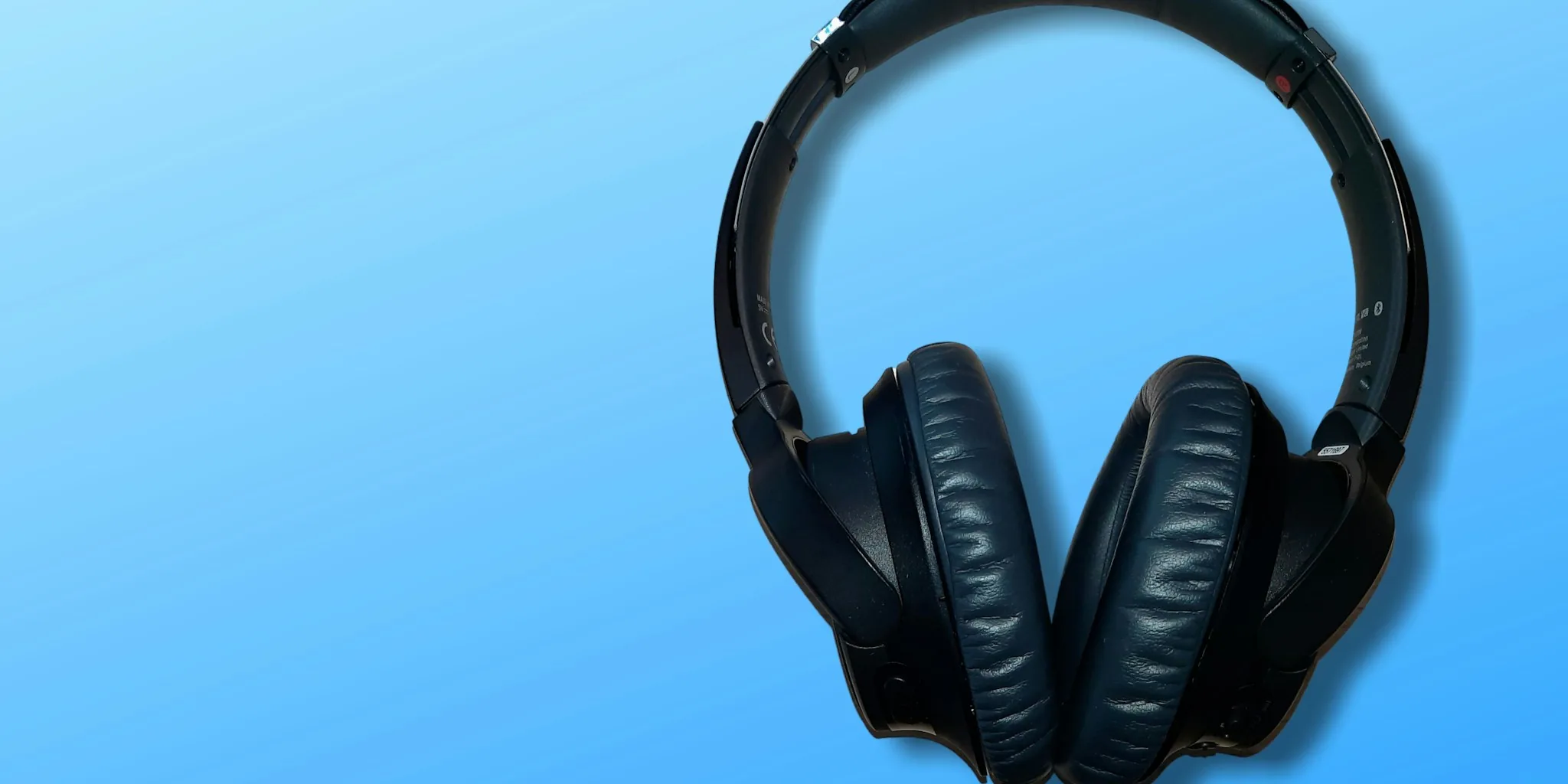
Deep, powerful bass isn’t just a preference for many listeners. It’s the difference between feeling music and simply hearing it.
Whether you’re into hip-hop, EDM, R&B, or cinematic soundtracks, the right pair of over-ear headphones can transform your listening experience by delivering low frequencies with real weight and presence.
But the market is crowded with headphones that promise thunderous bass and deliver muddy, distorted noise instead. Sorting through the options takes more than reading a spec sheet.
At REMOVU, we researched and scored each model in this list by analyzing manufacturer specifications, synthesizing expert consensus across the audio and headphones space, and reviewing verified buyer feedback from confirmed purchasers.
Our goal is to help you find over-ear headphones that genuinely deliver satisfying bass without sacrificing clarity or comfort. From budget-friendly picks under twenty dollars to premium noise-cancelling options, our top picks below cover every realistic need and price point.
| Award | Product | REMOVU Score About REMOVU ScoreThe REMOVU Score is our own rating from 0 to 10, based on performance, design and build, ease of use, and value. It reflects independent research and is never influenced by manufacturers, retailers, or affiliate commissions. Learn more › | Price | |
|---|---|---|---|---|
| Best Overall |
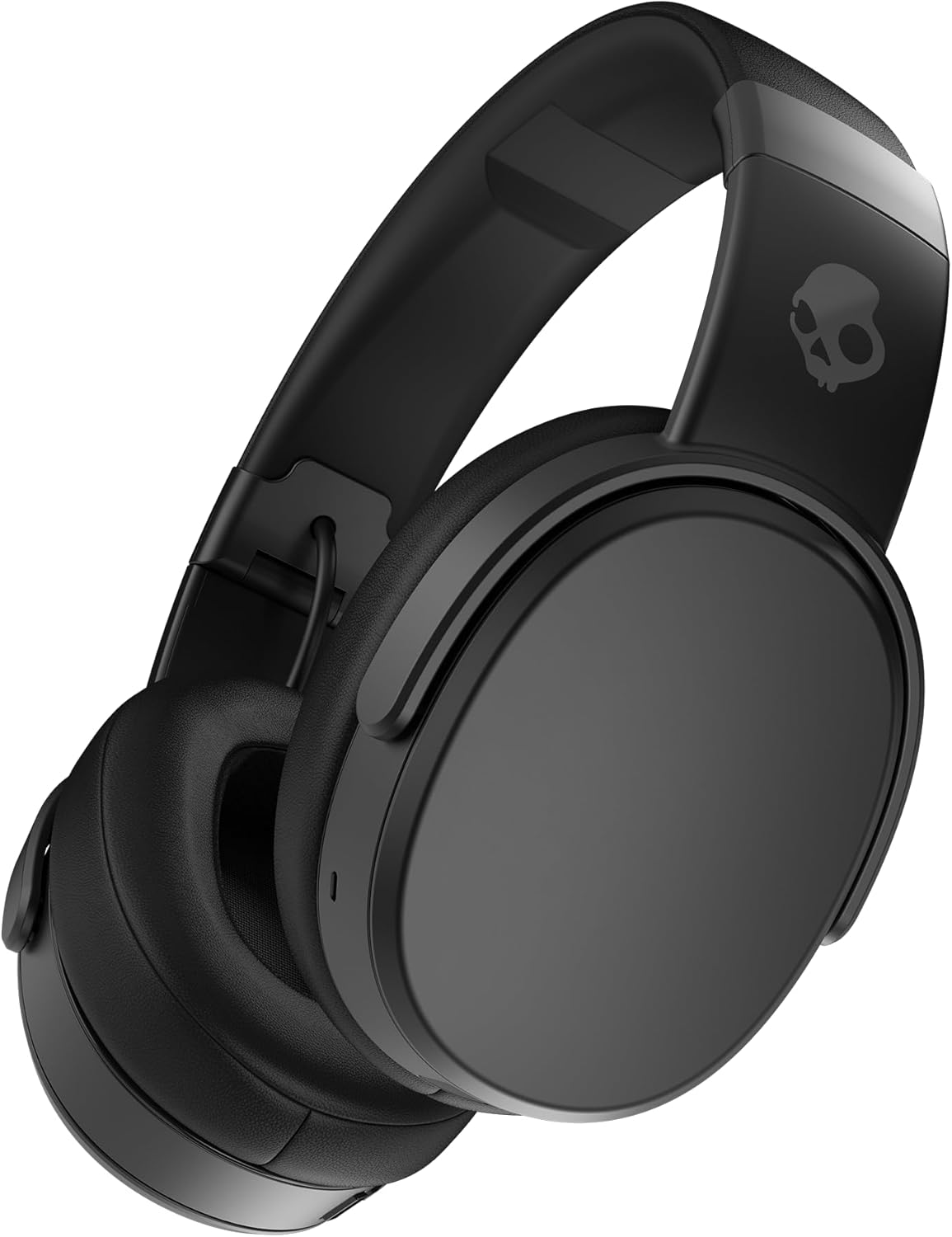 Skullcandy Crusher Wireless Over-Ear
|
8.9/10 | Buy | |
| Best Premium |
 Skullcandy Crusher ANC 2 Wireless Headphones
|
8.7/10 | Buy | |
| Best Budget |
 JBL Tune 720BT Wireless Headphones
|
7.5/10 | Buy | |
| Best Value |
 Soundcore Q20i Hybrid ANC Headphones
|
7.3/10 | Buy | |
 JBL Tune 770NC Wireless Headphones
|
8.1/10 | Buy | ||
 HybridActiveNoiseCancelling Wireless Headphones
|
6.2/10 | Buy | ||
 Audio-Technica ATH-M20x Studio Headphones
|
6.2/10 | Buy | ||
 KVIDIO Bluetooth Headphones 65H Battery
|
6.2/10 | Buy |
Skullcandy Crusher Wireless Over-Ear
The Skullcandy Crusher Wireless delivers a distinctive bass-forward listening experience powered by dual bass drivers that you can physically feel, paired with an impressive 50-hour battery life. Best suited for bass enthusiasts and casual listeners who prioritize long listening sessions and immersive sound over balanced audio.
Pros
- Exceptional battery life at 50 hours keeps you listening for extended periods
- Unique multi-sensory bass technology delivers a genuinely different audio experience compared to standard headphones
- Rapid charge feature provides quick top-ups for on-the-go use
- Lightweight, collapsible design makes these headphones genuinely portable
- Affordable price point for wireless over-ear headphones with this feature set
Cons
- Bass-heavy tuning may not appeal to listeners seeking balanced or neutral sound profiles
- Over-ear design may feel bulky or warm during extended wear in warm climates
- Limited information on noise isolation effectiveness compared to premium competitors
Skullcandy Crusher ANC 2 Wireless Headphones
The Skullcandy Crusher ANC 2 delivers powerful bass through dual drivers and solid noise cancellation across a 60-hour battery life, making it ideal for bass-lovers and long-haul travelers. The rapid charge feature and multipoint pairing add practical convenience, though the emphasis on bass may not suit all music genres.
Pros
- Exceptional battery endurance at 60 hours eliminates frequent charging
- Distinctive bass technology creates immersive listening experience for music and movies
- Adjustable noise cancellation with 4 mics provides flexible environmental control
- Rapid charge capability delivers 4 hours of playback in just 10 minutes
- Multipoint pairing enables seamless switching between two connected devices
Cons
- Heavy emphasis on bass may overpower vocals and details in certain music genres
- Active noise cancellation reduces battery life from 60 to fewer hours when enabled
JBL Tune 720BT Wireless Headphones
The JBL Tune 720BT delivers exceptional value with up to 76 hours of battery life, Bluetooth 5.3 connectivity, and JBL's signature Pure Bass sound in a lightweight, foldable design. Best for budget-conscious listeners who prioritize battery endurance and comfort over active noise cancellation.
Pros
- Exceptional 76-hour battery life eliminates frequent charging needs
- Rapid charging delivers 3 hours of playback in just 5 minutes
- Lightweight construction ensures comfort during hours of continuous wear
- Foldable design makes portability practical for travel and daily commutes
- Bluetooth 5.3 provides reliable connectivity with minimal interference
- Free JBL Headphones App offers EQ customization and voice guidance
Cons
- No active noise cancellation, limiting use in loud environments
- Lacks auto play/pause sensor, requiring manual control when removing headphones
Soundcore Q20i Hybrid ANC Headphones
The Soundcore Q20i delivers hybrid active noise cancellation that blocks up to 90% of ambient sound, 40-hour battery life with ANC on, and Hi-Res audio support at an exceptional price point. Best for commuters and remote workers seeking premium features without the premium cost.
Pros
- Exceptional battery life at 40 hours with ANC on, among the best in its class
- Hybrid ANC effectively reduces office, traffic, and environmental noise in real-world conditions
- Hi-Res audio support and wired AUX connectivity unlock studio-quality sound when needed
- Dual Bluetooth connectivity allows seamless switching between work and personal devices
- Lightweight at 246g with comfortable memory foam ear cushions for extended wear
Cons
- ANC only works in Bluetooth mode and disables automatically when using the wired AUX connection
- Four microphones for calls may be overkill compared to competing models with similar call quality
JBL Tune 770NC Wireless Headphones
The JBL Tune 770NC delivers exceptional value with 70 hours of battery life, adaptive noise cancelling, and customizable sound via the JBL app. Best for students, commuters, and anyone seeking budget-friendly wireless headphones without compromising on features or comfort.
Pros
- Exceptional 70-hour battery life eliminates frequent charging and provides week-long listening
- Adaptive Noise Cancelling effectively blocks distractions while Smart Ambient lets you stay aware of surroundings
- Dual Bluetooth device connectivity allows seamless switching between phone and tablet without manual pairing
- Lightweight, foldable construction makes these headphones portable and travel-friendly
- Free JBL Headphones app provides extensive customization with EQ adjustments and feature management
Cons
- Lacks auto play/pause sensor, requiring manual control when removing headphones
- No mention of water resistance rating, limiting durability for outdoor or gym use
- Adaptive Noise Cancelling performance may not match premium competitors at higher price points
HybridActiveNoiseCancelling Wireless Headphones
These over-ear wireless headphones deliver 120 hours of battery life, active noise cancellation, and hi-res audio in a lightweight design with memory foam ear cups. Ideal for remote workers, travelers, and anyone seeking all-day comfort without breaking the bank.
Pros
- Exceptional 120-hour battery life outlasts most competitors by weeks
- Memory foam ear cups stay comfortable even during 8+ hour workdays
- Active noise cancellation effectively reduces background noise and distractions
- Hi-res audio quality and deep bass provide immersive listening experience
- Lightweight design minimizes neck strain during extended use
Cons
- Product description lacks detailed specifications and performance metrics
- Limited information about noise cancellation depth compared to premium models
- No mention of water resistance or durability certifications
Audio-Technica ATH-M20x Studio Headphones
The ATH-M20x delivers accurate, studio-grade audio in a lightweight, durable package designed for tracking and mixing. At this price point, it's an excellent entry-level choice for home producers, audio engineers, and anyone seeking professional-quality sound isolation.
Pros
- Accurate, well-balanced audio suitable for critical listening and studio work
- Excellent passive isolation makes these ideal for tracking vocals and instruments
- Comfortable fit for multi-hour studio sessions thanks to professional-grade ear pads
- Durable build quality at an entry-level price point
- Includes 1/4-inch adapter for compatibility with studio equipment
Cons
- Wired design with fixed cable limits portability compared to wireless alternatives
- Bass-forward tuning may not suit those preferring neutral frequency response
- Limited cable length at 9.8 feet may require extension for some studio setups
KVIDIO Bluetooth Headphones 65H Battery
The KVIDIO over-ear headphones deliver 65 hours of wireless playtime with a lightweight, foldable design and dual 40mm drivers for clear stereo sound. At under $19, they're a solid choice for budget-conscious travelers and remote workers who prioritize battery life and comfort.
Pros
- Exceptional battery life of 65 hours eliminates frequent charging for extended trips and daily use
- Extremely lightweight and foldable design makes them portable without sacrificing durability
- Memory-foam ear cushions and flexible earmuffs adapt to different head shapes for comfortable all-day wear
- Dual 40mm drivers produce clear, balanced audio with noticeable bass and minimal distortion
- Hybrid wireless and wired connectivity ensures you're never without audio, even if the battery dies
Cons
- Sound quality, while good for the price, may not match premium headphones in the $50+ range
- Bluetooth 6.0 is newer but real-world connection stability and range depend on your device
- No active noise cancellation, so ambient sound isolation relies on passive ear cup design
Over-Ear Headphones for Bass Buying Guide
Choosing over-ear headphones for bass means balancing several competing factors. A headphone that excels at raw low-end punch may fall short on soundstage or comfort.
The sections below walk through the criteria that matter most for bass-focused listening, so you can match the right features to how you actually use your headphones.
For a broader view of what’s available across all price points, our roundup of over-ear headphones worth buying under $200 is a good companion read.
Driver Size and Bass Extension

The size of a headphone’s driver is one of the most direct indicators of its capacity for low-frequency reproduction. Larger drivers, typically 40 mm and above, can move more air and generally produce deeper, more authoritative bass.
Over-ear designs already have a structural advantage here because the sealed ear cup creates a resonance chamber that reinforces low frequencies in a way that on-ear and in-ear designs cannot replicate as naturally.
However, driver size alone doesn’t guarantee good bass. Tuning matters enormously. A manufacturer can boost bass frequencies through digital signal processing or physically tune the driver’s diaphragm and magnet system to emphasize certain ranges.
Models like the Skullcandy Crusher lineup use a dedicated subwoofer driver specifically for haptic bass, which goes beyond what a single full-range driver can achieve.
Pay attention to frequency response specifications and whether the manufacturer publishes measurements, as this tells you more than the raw driver diameter.
Bass extension is described in hertz, and headphones that reach down to 20 Hz or lower on paper can reproduce sub-bass frequencies that you feel as much as hear. In practice, the quality of that extension matters more than the number.
Look for consistent, controlled bass rather than a single frequency bump that sounds impressive on a spec sheet but fatigues quickly in real listening.
Closed-Back vs. Open-Back Design

For bass performance, closed-back headphones are almost always the stronger choice. The sealed ear cup prevents bass energy from leaking out, which means more low-frequency pressure is directed toward your ear. This creates the perception of greater impact and depth.
Every model in our list uses a closed-back design for exactly this reason.
Open-back headphones trade bass impact for a more spacious, natural soundstage. They’re beloved for mixing and critical listening, but they can’t match the visceral low-end punch of a well-tuned closed-back.
If you’re specifically shopping for bass performance, you can skip open-back options. For those curious about the trade-off, our guide to open-back over-ear headphones explains when that design makes more sense.
Within closed-back designs, the depth of the ear cup and the seal quality around your ear directly influence bass response.
Shallower cups or ear pads that don’t create a proper seal will bleed off bass energy and reduce the sense of impact. Memory foam ear pads tend to seal more effectively than basic foam or fabric alternatives.
Active Noise Cancellation and Its Effect on Bass
Active noise cancellation, or ANC, uses microphones and processing to generate anti-noise that cancels out ambient sound.
For bass listeners, ANC has a useful side effect: by eliminating low-frequency background rumble (like plane engines or city traffic), it allows the headphone’s own bass to come through more clearly without being masked.
Several models in our list, including the Soundcore Q20i and the JBL Tune 770NC, use ANC as a meaningful part of their value proposition.
It’s worth noting that ANC implementation quality varies widely. Hybrid ANC, which uses microphones both inside and outside the ear cup, generally outperforms single-microphone designs. The Soundcore Q20i uses a hybrid approach that punches well above its price point.
If you frequently commute or work in noisy environments, ANC-equipped headphones can make bass music significantly more enjoyable without requiring you to crank the volume to dangerous levels.
For travelers who want dedicated noise cancelling headphones for travel, or professionals looking for noise-cancelling options for the office, our separate roundups go deeper into those specific use cases.
Wired vs. Wireless and Audio Quality Trade-Offs

Wireless headphones have matured significantly. Bluetooth codecs like AAC and aptX have reduced the audio quality gap between wireless and wired connections for the vast majority of listeners. For bass-heavy music, wireless headphones are now a completely viable choice.
The JBL Tune 720BT and Tune 770NC, for example, deliver JBL’s well-regarded Pure Bass sound profile entirely over Bluetooth.
Wired headphones, like the Audio-Technica ATH-M20x, bypass Bluetooth entirely and receive audio directly from the source.
This removes any codec-related compression and can result in more accurate low-frequency reproduction, which is why wired headphones for mixing remain the professional standard. That said, wired models require a headphone jack or adapter and limit your movement.
For casual listeners prioritizing convenience, wireless is the practical choice. For audiophiles and producers who want maximum fidelity from their low end, a quality wired over-ear headphone remains hard to beat.
Battery life also becomes a consideration with wireless models: the Skullcandy Crusher Wireless offers up to 50 hours of playback, while the Skullcandy Crusher ANC 2 extends that to 60 hours even with ANC enabled.
Comfort and Long-Session Wearability

Bass-heavy listening sessions can last hours, which means comfort is not a secondary consideration.
The weight of the headphone, the clamping force of the headband, and the material and thickness of the ear pads all determine whether you’ll enjoy a long session or start shifting uncomfortably after thirty minutes.
Heavier drivers and additional components for ANC or haptic bass can add meaningful weight, so checking user feedback on long-term wearability is important.
Memory foam ear pads with fabric or leatherette covering are the gold standard for extended comfort. Leatherette creates a better acoustic seal for improved bass, while fabric breathes better in warm environments.
The KVIDIO Bluetooth Headphones, for example, specifically market a lightweight foldable design for travel, which prioritizes portability over the thicker ear cups that maximise bass impact. Know what you’re trading off.
Adjustable Bass and App Customisation
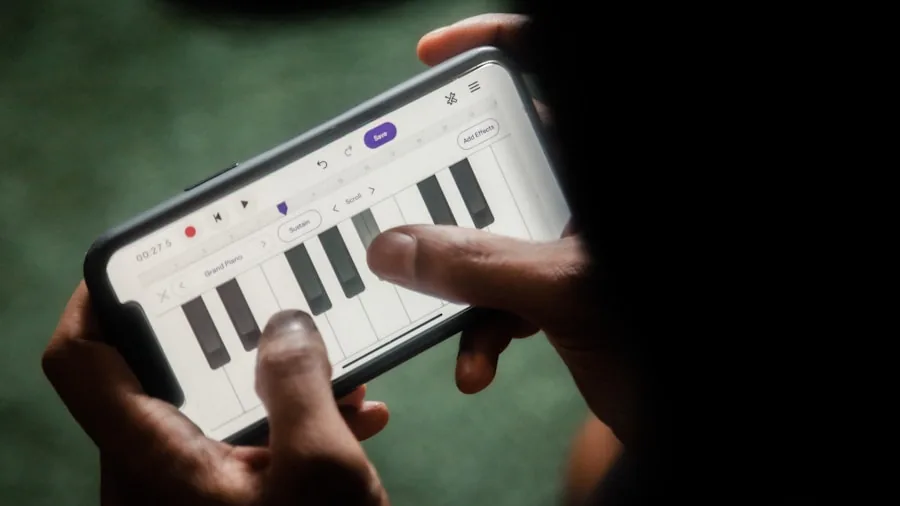
Not everyone wants the same amount of bass all the time. Some models let you tune the low end to your taste, either through a hardware dial or a companion app.
The Skullcandy Crusher series is the standout example in this list, offering a dedicated Crusher Bass dial that adjusts the intensity of the haptic subwoofer independently from overall volume.
This lets you dial in exactly how much low-end you want for a given track or genre.
App-based equalizers, like those available for the Soundcore Q20i via the Soundcore app, give you finer control over specific frequency bands.
This matters if your bass preference differs between hip-hop (where sub-bass punch is king), rock (where mid-bass warmth matters more), and electronic music (where both sub-bass extension and kick drum definition are critical).
If customisability is important to you, prioritise models with a companion app. If you prefer simplicity, a headphone with a well-tuned bass-forward preset out of the box will serve you better.
Why You Should Trust Us
REMOVU is an independent review publication. We have no manufacturer relationships that influence our rankings, and we don’t accept payment for placement.
Every product in this list was scored using the REMOVU Score, a consistent 0-to-10 rating system applied across a standardized set of criteria: acoustic performance relative to price tier, build quality, feature set, long-term comfort, battery life where applicable, and verified owner satisfaction.
We do not conduct our own product trials; our evaluations are grounded in research, published data, expert review consensus, and verified buyer feedback.
This approach lets us synthesize a broader evidence base than any single listener’s experience, and it means our scores reflect consistent methodology rather than subjective impressions from one pair of ears on one day.
When expert consensus and buyer feedback diverge, we note both perspectives and weight them according to the criterion being evaluated.
REMOVU may earn a commission if you purchase through a link on this page. That affiliate relationship does not influence scores, rankings, or which products are included.
Products are selected and ranked based on merit as determined by our evaluation criteria, not on commission rates or brand partnerships. We recommend products we genuinely believe represent good value for the people most likely to buy them.
Final Thoughts
The over-ear headphones for bass covered in this list span a wide range of price tiers and use cases, from an affordable studio monitor to a feature-rich haptic bass flagship.
Each has a clearly defined strength, and the right pick depends on how you listen, where you listen, and how much you want to spend. Here’s how we’d summarize the standouts from our research.
- Best Overall: Skullcandy Crusher Wireless earns the top score in this lineup thanks to its patented haptic Crusher Bass technology, which lets you physically feel the low end, combined with outstanding battery life and a noise-isolating over-ear fit. It’s the most complete package for bass-first listeners at its price point.
- Best Premium Pick: Skullcandy Crusher ANC 2 adds active noise cancellation and even longer battery life to the Crusher formula. For listeners who want every bass-enhancement tool in one headphone and don’t mind the premium price, this is the top-shelf choice in our list.
- Best Mid-Range Option: JBL Tune 770NC brings adaptive noise cancelling, Bluetooth 5.3 with LE Audio support, and JBL’s well-regarded Pure Bass Sound profile to a mid-range price. It’s a polished, versatile headphone that balances bass performance with modern wireless features better than most rivals in its tier.
- Best Budget Wireless Pick: JBL Tune 720BT delivers the same JBL Pure Bass tuning in a lightweight, foldable package with an impressive 76-hour battery life. It’s the smartest way to get reliable, brand-backed bass performance at an approachable price.
- Best Budget ANC Pick: Soundcore by Anker Q20i punches significantly above its price class with hybrid ANC, Hi-Res Audio certification, and app-based customisation. For commuters and office users who want noise cancellation alongside big bass at a budget-friendly outlay, it’s a standout value.
If your needs extend beyond bass-focused listening, our broader guide to over-ear headphones for every listener covers a wider range of use cases. And if you’re still within the wireless category but want to explore further, the wireless over-ear headphones roundup is worth a look.
Frequently Asked Questions
What Makes Over-Ear Headphones Better for Bass Than Other Headphone Types?
Over-ear headphones surround the ear rather than resting on it or sitting inside the ear canal.
This creates a sealed acoustic chamber between the driver and your eardrum, which concentrates bass energy and prevents it from leaking away before it reaches you.
Larger drivers, which fit more easily in an over-ear cup, also have greater capacity for deep low-frequency extension.
The combination of driver size and acoustic sealing gives over-ear headphones a structural bass advantage that other headphone types can’t easily replicate without significant signal processing.
Is Heavy Bass Bad for Sound Quality?
Not inherently, but poorly implemented bass absolutely is. Excessive bass boost can mask midrange detail, making vocals and instruments sound muddy or recessed.
Well-tuned bass-heavy headphones, like those from JBL and Skullcandy at their best, enhance the low end without overwhelming the rest of the frequency range.
The distinction lies in whether the manufacturer has invested in tuning and driver quality or simply applied a broad bass boost that creates distortion at high volumes.
Reading expert review consensus is the most reliable way to distinguish between the two before you buy.
Do I Need Noise Cancellation for Better Bass?
Noise cancellation isn’t required for good bass, but it genuinely helps in noisy environments. When background noise masks low frequencies, your brain registers less bass impact even when the headphone is performing well.
ANC removes that ambient competition, letting you experience the headphone’s full bass output at safer, lower volumes. For home listening in a quiet room, passive isolation from a well-sealing closed-back design is usually sufficient.
For commuting, open offices, or air travel, ANC adds real value for bass listeners. See our noise-cancelling headphones under budget guide for options that prioritize ANC performance specifically.
Can I Use Bass-Heavy Headphones for Workouts?
Most over-ear headphones in this category are not designed for intense physical activity. They’re generally too large and not sweat-resistant enough for running or high-intensity training.
That said, lower-intensity workouts like weight training or cycling on a stationary bike are manageable with a comfortable, secure-fitting over-ear model.
For dedicated workout use, workout headphones or workout earbuds designed with sweat resistance and secure fit in mind are more appropriate choices.
Are Wired Headphones Still Worth Considering for Bass Performance?
Yes, particularly if audio fidelity is your priority over convenience. Wired connections eliminate Bluetooth compression entirely, which can result in more accurate and detailed bass reproduction.
The Audio-Technica ATH-M20x in this list is a wired studio monitor that delivers neutral, precise low-end performance valued by producers and critical listeners.
If you’re pairing headphones with a dedicated DAC or headphone amplifier, a wired connection is also the only way to take full advantage of that investment.
For everyday casual listening, the quality difference is subtle enough that wireless is the more practical choice for most people.
What’s the Difference Between Bass Boost and Haptic Bass?
Bass boost is a software or hardware EQ adjustment that amplifies low-frequency output from the existing driver. It increases perceived bass volume but can introduce distortion if pushed too far, and it doesn’t change the physical characteristics of the sound.
Haptic bass, as implemented in the Skullcandy Crusher series, uses a secondary driver that physically vibrates to create tactile sensation alongside the audible bass signal.
This means you feel the sub-bass in your ears and on the sides of your head, not just hear it. Haptic bass is a more immersive effect, while bass boost is a simpler amplification of existing capability.
Neither approach is universally better; the right choice depends on whether you want to feel music or simply hear more of it.
About the author
Bessie covers solar chargers and panels for REMOVU, weighing real-world output, durability, and value for the outdoors. She helps readers keep devices charged off-grid.