The 9 Best Over-Ear Headphones for Mixing
Flat response, solid build, hours of comfort: the right mixing headphones shape every decision you make in the studio. Here are the top picks for every budget.
 By Glen Allen
Updated July 26, 2026
By Glen Allen
Updated July 26, 2026
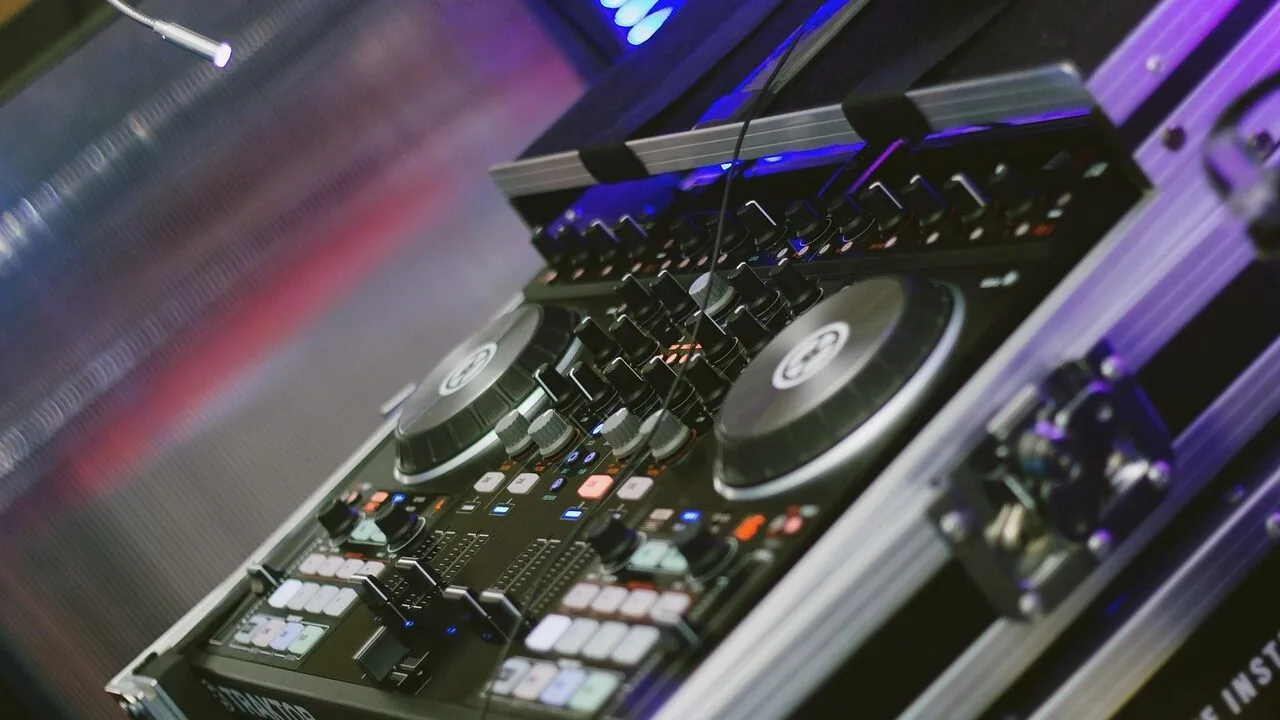
Choosing the right headphones for mixing is one of the most consequential gear decisions a producer, engineer, or home studio owner can make.
Unlike headphones designed for casual listening, mixing headphones need to reproduce audio with a level of accuracy and tonal neutrality that reveals problems in a mix rather than hiding them.
Whether you’re balancing frequencies, checking stereo width, or catching unwanted resonances, a pair of flat-response, well-built over-ear headphones can make the difference between a polished final product and one that sounds great in your studio but falls apart on other systems.
The market ranges from budget-friendly entry points to professional-grade options from Sony, beyerdynamic, Sennheiser, Audio-Technica, and Shure, making it genuinely difficult to know where to start.
At REMOVU, we cut through the noise by synthesizing specifications, expert review consensus, and verified buyer feedback to evaluate each model against consistent criteria relevant to mixing work: frequency response accuracy, driver quality, build durability, comfort for long sessions, and value relative to performance.
We do not conduct our own product trials. Our findings are distilled into a REMOVU Score on a 0 to 10 scale, so you can compare options at a glance.
If you’re also weighing noise-cancelling headphones for a noisier workspace, we cover those separately. For now, here are our top picks for over-ear headphones for mixing in 2026.
| Award | Product | REMOVU Score About REMOVU ScoreThe REMOVU Score is our own rating from 0 to 10, based on performance, design and build, ease of use, and value. It reflects independent research and is never influenced by manufacturers, retailers, or affiliate commissions. Learn more › | Price | |
|---|---|---|---|---|
| Best Value |
 Sony MDR-7506 Professional Studio Headphones
|
8.3/10 | Buy | |
 Sennheiser HD 560S Open-Back Headphones
|
6.9/10 | Buy | ||
| Best Premium |
 Beyerdynamic DT 770 PRO 80 Ohm
|
7.8/10 | Buy | |
 Beyerdynamic DT 990 PRO Open-Back Studio Headphones
|
7.2/10 | Buy | ||
| Best Overall |
 Audio-Technica ATH-M50X Studio Headphones
|
8.4/10 | Buy | |
 Shure SRH840A Professional Studio Headphones
|
7.6/10 | Buy | ||
| Best Budget |
 Audio-Technica ATH-M40x Studio Headphones
|
7.1/10 | Buy | |
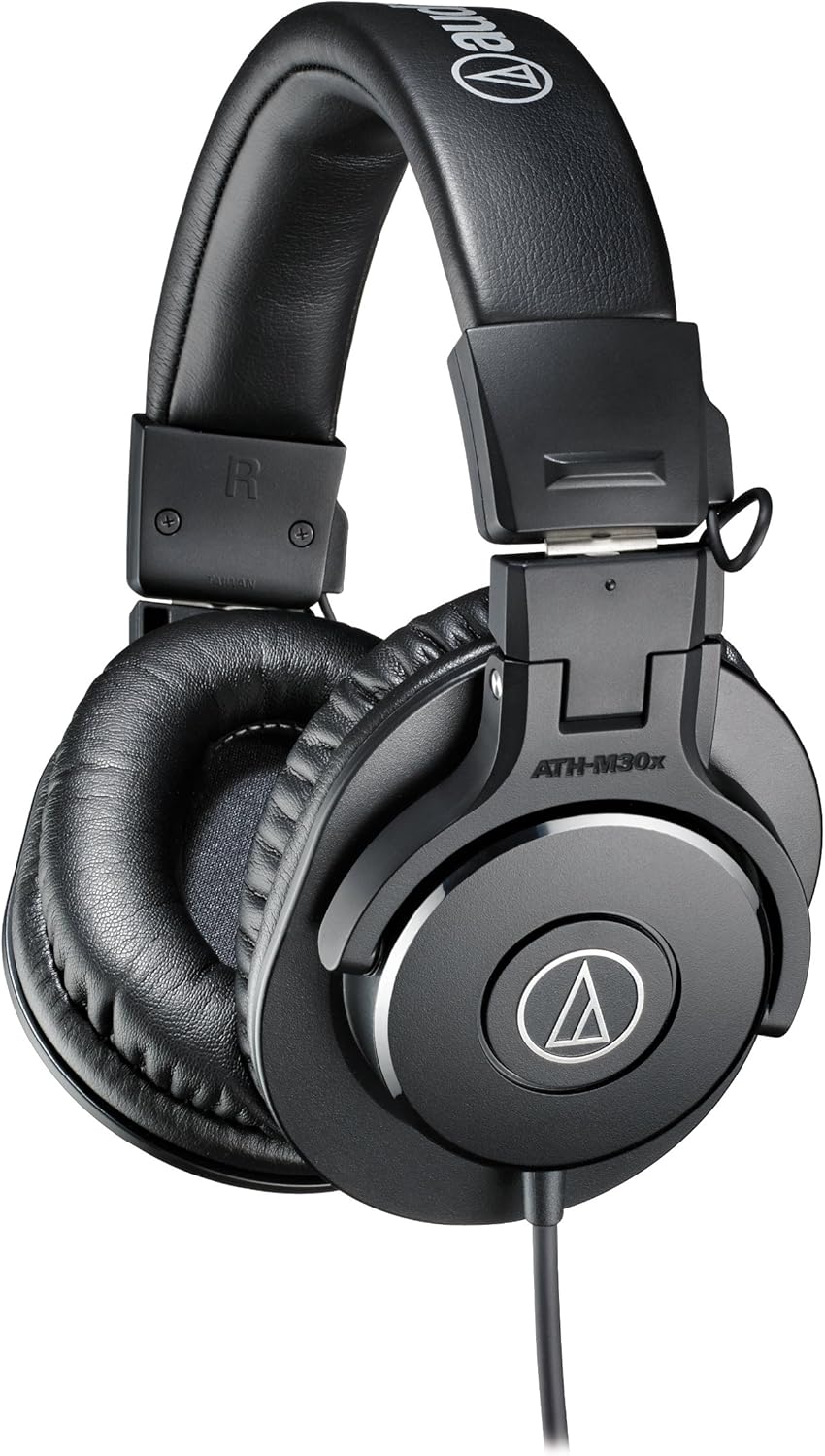 Audio-Technica ATH-M30x Studio Monitor Headphones
|
6.5/10 | Buy | ||
 Audio-Technica ATH-M20x Studio Headphones
|
6.2/10 | Buy |
Sony MDR-7506 Professional Studio Headphones
The Sony MDR-7506 are closed-back studio headphones trusted by professionals for over 30 years, delivering balanced sound with deep bass and clear mids ideal for recording, mixing, and broadcast work. Built rugged and lightweight with replaceable earpads, they're a reliable choice for engineers and producers who need accurate monitoring without breaking the bank.
Pros
- Accurate, neutral sound profile ideal for critical listening, mixing, and mastering tasks
- Extremely durable construction withstands daily professional use in demanding environments
- Lightweight and foldable design makes transport and storage convenient for mobile recording
- Replaceable earpads and robust build quality provide excellent long-term value
- Effective noise isolation from closed-ear design reduces need for high volume levels
Cons
- Non-detachable cable limits flexibility if replacement is needed
- Closed-back design may feel isolating for extended wear in non-studio environments
- Fixed cable length requires adapter for some professional audio interfaces
Sennheiser HD 560S Open-Back Headphones
The Sennheiser HD 560S delivers neutral, reference-grade sound in an open-back design that excels for critical listening, gaming, and content creation. Its lightweight comfort and wide soundstage make it ideal for audiophiles and creators seeking accuracy without wireless compromise.
Pros
- Accurate, uncolored sound signature reveals subtle details across music, games, and recordings
- Spacious soundstage and open design reduce listener fatigue during long sessions
- Lightweight construction with soft velour pads delivers comfort without pressure points
- Versatile connectivity with detachable cable and multiple adapters for any audio source
- Excellent value for reference-grade audio quality compared to higher-tier Sennheiser models
Cons
- Open-back design leaks sound and provides no isolation, unsuitable for shared spaces or travel
- Wired connection limits mobility compared to wireless alternatives
- Requires careful amp matching for optimal performance with some audio interfaces
Beyerdynamic DT 770 PRO 80 Ohm
The DT 770 PRO 80 Ohm is a closed-back studio headphone built for professional monitoring and recording with exceptional bass definition and sound isolation. Ideal for music producers, sound engineers, and serious listeners who need accurate reference sound in a durable, comfortable package.
Pros
- Excellent bass response and low-frequency definition ideal for mixing and monitoring
- Outstanding sound isolation from ambient noise due to closed-back design
- Comfortable for extended wear with replaceable ear pads and adjustable headband
- Single-sided cable design prevents cable fatigue during frequent use
- Durable German build quality with replaceable components for long-term reliability
Cons
- Closed design may feel isolating for casual listening compared to open-back alternatives
- Heavier weight and clamping force may cause fatigue during very long sessions for some users
- Premium price point reflects professional-grade positioning rather than consumer budget options
Beyerdynamic DT 990 PRO Open-Back Studio Headphones
The DT 990 PRO are professional open-back studio headphones delivering spacious, transparent sound with balanced bass and treble ideal for mixing and critical listening. Best suited for producers, audio engineers, and audiophiles who prioritize soundstage and detail over isolation.
Pros
- Outstanding clarity and detail retrieval with wide, natural soundstage for critical listening
- Comfortable circumaural design with soft, replaceable ear pads suitable for long studio sessions
- Handcrafted German build quality with high-grade materials ensures long-term reliability
- Open-back design delivers impressive spaciousness without muddy bass coloration
- Single-sided cable reduces cable noise and tangling during active studio work
Cons
- Open-back design provides no noise isolation, making them unsuitable for use in noisy environments or for personal listening in public spaces
- Requires a dedicated headphone amplifier or pro audio interface to reach optimal performance with 250 ohm impedance
- Sound leakage is significant due to open-back design, potentially disturbing others nearby
Audio-Technica ATH-M50X Studio Headphones
The ATH-M50X are professional studio monitor headphones with a proven sonic signature, detachable cables, and excellent passive isolation. Trusted by audio engineers and reviewers, they're ideal for studio work, mixing, and critical listening at a mid-range price.
Pros
- Flat, neutral frequency response ideal for accurate mixing, mastering, and critical audio work
- Robust construction with professional-grade materials built to withstand daily studio use and travel
- Three included detachable cables and adapter provide flexibility for studio, portable, and home listening
- Excellent passive isolation blocks external noise without battery drain or active processing
- Foldable design balances portability with the serious performance engineers expect
Cons
- Closed-back design may feel isolating during extended wear compared to open-back alternatives
- No active noise cancellation or wireless capability limits use in certain professional environments
- 38-ohm impedance requires adequate amplification for optimal performance from portable devices
Shure SRH840A Professional Studio Headphones
The Shure SRH840A delivers accurate, detailed sound with a closed-back design ideal for recording, mixing, and critical listening. Built for comfort during long studio sessions with a detachable locking cable system, these headphones are a solid choice for audio professionals and serious home recordists.
Pros
- Accurate frequency response (5-25,000 Hz) ideal for critical listening, recording, and mixing applications
- Exceptional comfort for long sessions thanks to lightweight design and premium padding
- Durable closed-back construction withstands constant professional use and looks professional on camera
- Detachable cable with locking mechanism prevents accidental disconnection and simplifies storage
- Excellent value at the $169 price point with 4.6/5 rating from 400 verified users
Cons
- Closed-back design may feel isolating in non-studio environments; not ideal for casual listening in shared spaces
- 40-ohm impedance requires adequate amplification from audio interfaces or mixing consoles for optimal performance
Audio-Technica ATH-M40x Studio Headphones
The ATH-M40x are professional-grade closed-back studio headphones with flat frequency response tuning for accurate monitoring and mixing. Built with durable materials and swiveling earcups, they're ideal for audio engineers, producers, and DJs who need reliable reference headphones at an accessible price point.
Pros
- Flat frequency response tuning makes these headphones ideal for accurate mixing and critical listening
- Lightweight yet durable construction with premium materials provides comfort for long studio sessions
- Excellent sound isolation from circumaural design keeps you focused in loud or noisy environments
- Detachable cables and collapsible design offer genuine portability without sacrificing build quality
- Swiveling earcups allow seamless one-ear monitoring for tracking and real-time feedback
Cons
- Wired connection with no wireless option limits mobility in the studio
- Flat tuning profile may sound less engaging for casual listening compared to consumer headphones
Audio-Technica ATH-M30x Studio Monitor Headphones
The ATH-M30x delivers professional-grade monitoring with 40mm drivers and excellent mid-range clarity in a lightweight, portable package. Ideal for studio professionals and field recordists seeking accurate sound isolation and durability at an affordable price point.
Pros
- Accurate, balanced sound signature tuned for professional monitoring and mixing tasks
- Excellent sound isolation from circumaural design keeps ambient noise out during recording
- Comfortable fit and lightweight build support long studio sessions without fatigue
- Durable construction with premium materials withstands frequent use and transport
- Collapsible design and included adapter increase versatility for studio and field applications
Cons
- Wired connection limits mobility compared to wireless alternatives
- Mid-range emphasis may not suit casual listening or bass-heavy music genres
Audio-Technica ATH-M20x Studio Headphones
The ATH-M20x delivers accurate, studio-grade audio in a lightweight, durable package designed for tracking and mixing. At this price point, it's an excellent entry-level choice for home producers, audio engineers, and anyone seeking professional-quality sound isolation.
Pros
- Accurate, well-balanced audio suitable for critical listening and studio work
- Excellent passive isolation makes these ideal for tracking vocals and instruments
- Comfortable fit for multi-hour studio sessions thanks to professional-grade ear pads
- Durable build quality at an entry-level price point
- Includes 1/4-inch adapter for compatibility with studio equipment
Cons
- Wired design with fixed cable limits portability compared to wireless alternatives
- Bass-forward tuning may not suit those preferring neutral frequency response
- Limited cable length at 9.8 feet may require extension for some studio setups
Over-Ear Headphones for Mixing Buying Guide
Not every over-ear headphone marketed as a “studio” model is actually suited for mixing. Knowing which specifications and design choices matter most will help you invest wisely. Below are the six most important criteria to evaluate before committing to a pair.
Open-Back vs. Closed-Back Design
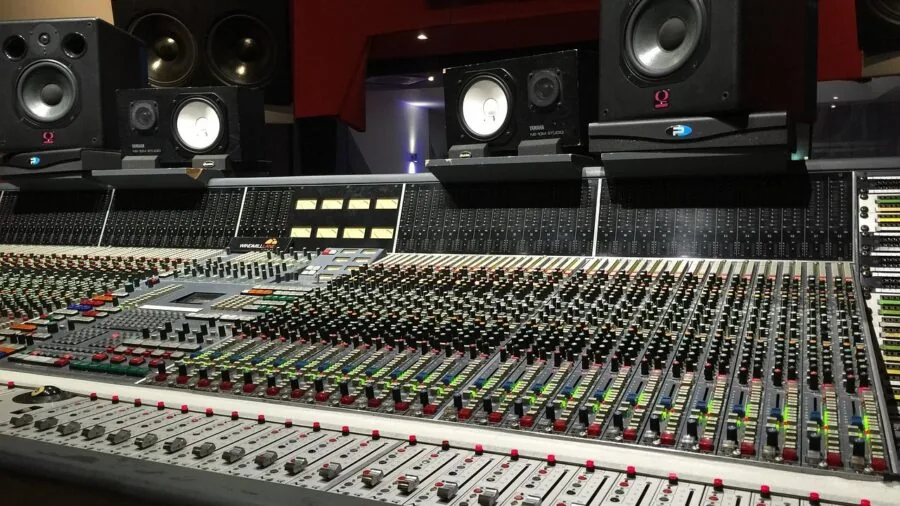
This is the single most fundamental decision when shopping for mixing headphones, and it hinges entirely on your working environment.
Open-back headphones allow air and sound to pass freely through the ear cup housing, which creates a more spacious, natural soundstage that more closely mimics what you hear on studio monitors.
Audio engineers and mastering professionals often prefer open-back designs for critical listening precisely because they avoid the sense of isolation that can skew your perception of the low end and stereo field.
Closed-back headphones, by contrast, seal around the ear, preventing bleed from the headphones into microphones during tracking sessions and offering better isolation in louder environments.
If you record vocals or live instruments and need to monitor while doing so, a closed-back design is the practical choice. Many producers use both: open-back headphones for the mixing stage and closed-back for recording.
Keep your workflow in mind before settling on one design.
Among our top picks, the Sennheiser HD 560S represents the open-back category, delivering that expansive, accurate soundstage mixing engineers value.
The beyerdynamic DT 770 PRO and the Sony MDR7506 are closed-back options trusted widely in professional settings, including broadcast studios and live recording environments. Your choice of design will shape every other decision that follows.
Frequency Response and Tonal Accuracy
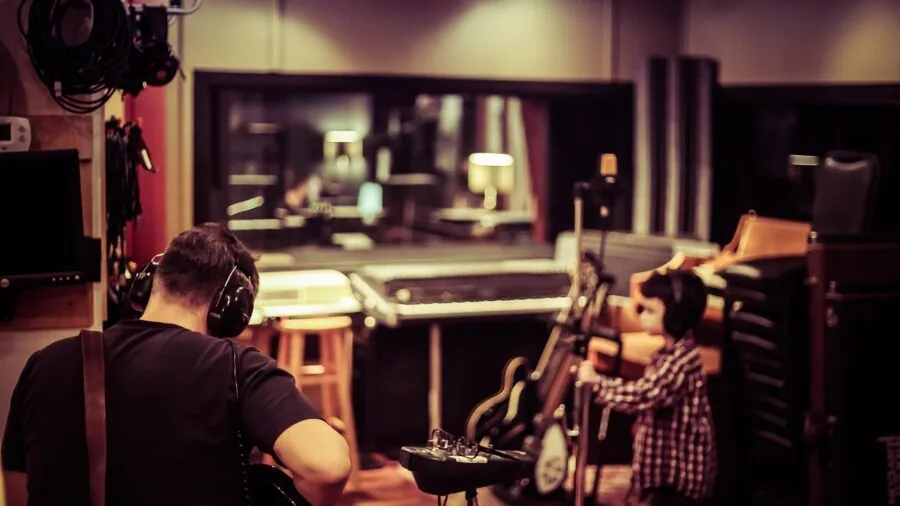
Flat, accurate frequency response is the holy grail for mixing headphones. In practice, a truly ruler-flat response is rare even among reference-grade headphones, so what you’re really evaluating is how predictable and honest the tonality is.
Exaggerated bass or boosted high frequencies might make music sound exciting for casual listening, but they will mislead your mixing decisions, causing you to undercompensate or overcompensate in EQ and level adjustments.
Look at the stated frequency response range published by the manufacturer, but don’t stop there.
Expert review consensus, measurement data published by respected audio publications, and verified buyer feedback from professional users all paint a more complete picture of real-world tonal behavior. A wider stated frequency range does not automatically mean more accurate reproduction.
Focus on the shape and evenness of the response curve rather than headline numbers.
The beyerdynamic DT 990 PRO is known for its elevated high-frequency presence, which some engineers appreciate for catching sibilance issues but others find fatiguing over long sessions.
The Sony MDR7506 has long been a broadcast staple because of its analytical, detailed character. Understanding these tonal signatures helps you set expectations and, over time, learn to compensate for a headphone’s particular character when mixing.
Impedance and Amplification Requirements
Impedance, measured in ohms, determines how much voltage a headphone requires to reach a usable listening level.
Low-impedance headphones (typically 32 ohms or below) are designed to be driven directly from devices like laptops, audio interfaces, and smartphones without an external amplifier.
Higher-impedance models (80, 250 ohms and above) are designed with professional amplifiers and headphone outputs in mind and may sound noticeably quieter or dynamically compressed when underpowered.
If you work primarily with a dedicated audio interface that has a quality headphone output, higher-impedance headphones can be an excellent choice and are often associated with cleaner, lower-distortion audio at volume.
If your setup is more portable or relies on a laptop’s built-in headphone jack, a lower-impedance model will serve you much better. Pairing high-impedance headphones with a quality DAC or headphone amplifier can unlock considerably better performance from these drivers.
The beyerdynamic DT 990 PRO at 250 ohms and the DT 770 PRO at 80 ohms both sit in ranges that benefit from proper amplification. The Audio-Technica ATH-M series headphones, designed for more portable and self-powered use, are intentionally low-impedance for broader compatibility.
Match your headphones to your signal chain, not just your budget.
Comfort and Long-Session Wearability

Mixing is not a quick activity. A serious session can last anywhere from two to eight hours, and fatigue from uncomfortable headphones has a real, measurable impact on listening decisions.
Clamping force, ear pad material and depth, headband padding, and overall weight all contribute to how a headphone wears over time. Verified buyer feedback is particularly valuable here because comfort is deeply personal and varies by head shape and size.
Velour ear pads, as used on the beyerdynamic DT 990 PRO and DT 770 PRO, tend to be more breathable and comfortable over long periods compared to pleather or leatherette pads, which can trap heat.
However, leatherette pads typically provide better isolation for closed-back designs. Look at whether pads and headband cushions are replaceable, since worn-out pads are a common reason otherwise excellent headphones get retired prematurely.
Headphones at the entry level, like the Audio-Technica ATH-M20x and ATH-M30x, sometimes receive feedback about clamping force being tight on larger heads during extended sessions. This is worth researching for your specific head geometry before committing.
Many professional studios stock multiple headphone models for different members of a team precisely because comfort is not universal.
Build Quality and Durability

Studio headphones take a beating. They get passed between producers, hung on mic stands, dropped, and stored carelessly in bags.
A headphone that feels premium in a retail box but develops structural problems after a year of regular use is a poor investment compared to one built with a serviceable design and replaceable parts.
Look for metal headband components, reinforced cable attachment points, and swivel or rotating ear cups that reduce stress on hinges.
Detachable cables are a significant practical advantage. The Sony MDR7506, a fixture in professional studios for decades, uses a fixed coiled cable, which can be a limitation despite the headphone’s other strengths.
Detachable cable designs, like those on the Audio-Technica ATH-M50x and M40x, allow you to replace a worn or damaged cable without sending the headphone in for service or buying a new pair entirely.
The beyerdynamic DT series headphones are manufactured in Germany and are specifically designed to be serviceable, with replacement parts readily available directly from beyerdynamic.
This kind of manufacturer support significantly extends the practical lifespan of a pair of studio headphones and represents genuine long-term value.
The Shure SRH840A similarly ships with a locking detachable cable, addressing one of the most common failure points in studio headphones.
Value Across the Budget Spectrum
The over-ear mixing headphone market spans from genuinely capable budget options to professional-grade monitors, and the relationship between price and performance is not always linear.
Entry-level models from Audio-Technica’s ATH-M series cover the affordable end, offering a useful introduction to studio monitoring without a large outlay.
Mid-range options like the ATH-M50x and Shure SRH840A offer a meaningful step up in resolution and build quality that experienced engineers consistently notice.
At the higher end of our list, the Sony MDR7506, Sennheiser HD 560S, and beyerdynamic models represent significant performance per dollar precisely because they have maintained consistent expert acclaim over years of use in professional environments.
These are not flagship audiophile headphones commanding extreme prices; they are professional tools priced for working studios. If your budget allows, investing in a mid-to-upper-tier option from this list will pay dividends in mixing accuracy over time.
Also factor in the total cost of ownership: replacement pads, cables, and adapters can add up.
A headphone with an ecosystem of affordable replacement parts from brands like beyerdynamic will cost less over a five-year horizon than a cheaper headphone with no aftermarket support.
For engineers who also work on other creative projects, pairing quality mixing headphones with a capable microphone is often the next logical step in building a productive home studio.
Why You Should Trust Us
REMOVU is an independent review publication. We have no financial relationship with any of the brands featured in this guide, and no manufacturer has paid for placement or influenced our rankings.
Every product in this list is evaluated against a consistent, structured set of criteria relevant to mixing work: frequency response accuracy, driver design, build quality, impedance and compatibility, comfort during extended sessions, and overall value.
Each model receives a REMOVU Score on a 0 to 10 scale based on how it performs across those criteria.
We do not conduct our own product trials; our evaluations are grounded in research, published data, expert review consensus, and verified buyer feedback.
This approach allows us to synthesize a large body of real-world experience from professional engineers, studio owners, and everyday users into a clear, actionable recommendation.
REMOVU may earn a commission if you purchase through a link in this guide. That affiliate relationship does not affect our rankings, scores, or product selections in any way.
Our editorial process is designed to surface the most useful options for your needs, not the most profitable for us. We revisit guides regularly to reflect changes in product availability, pricing tiers, and new entrants to the market.
For a broader look at what we cover, visit our audio and headphones hub.
Final Thoughts
The over-ear mixing headphone market in 2026 is rich with excellent options across every budget tier.
Whether you’re outfitting a professional studio, building a home recording setup, or simply trying to make better mixing decisions without access to a treated room and studio monitors, there is a headphone in this list for your situation.
Here are our top picks by category, each with a REMOVU Score reflecting its overall performance in the context of mixing work.
- Best Overall: Sony MDR7506 Professional Large Diaphragm Headphone. With the highest REMOVU Score in our lineup, the MDR7506 earns its status as a studio standard through decades of consistent professional use, an analytical and detailed frequency character, and a track record that spans broadcast booths and recording studios worldwide.
- Best Open-Back Pick: Sennheiser HD 560S. The HD 560S delivers the wide, airy soundstage that makes open-back designs so valuable for critical listening and mix referencing, earning one of the top REMOVU Scores in our guide for its accuracy and comfort.
- Best Closed-Back for Professionals: beyerdynamic DT 770 PRO 80 Ohm. A preferred choice among recording engineers for its reliable isolation, serviceable build made in Germany, and neutral-leaning tonal character that holds up session after session.
- Best for Analytical Detail: beyerdynamic DT 990 PRO 250 Ohm. The open-back DT 990 PRO rewards producers who want to hear deep into their mix, with a resolving high-frequency character that surfaces subtle transients and spatial details other headphones smooth over.
- Best Mid-Range Closed-Back: Audio-Technica ATH-M50x. A critically acclaimed workhorse with detachable cables, 45mm drivers, and a reputation built on years of positive expert consensus, offering strong value in the mid-range tier.
- Best Budget Entry Point: Audio-Technica ATH-M20x. For producers just beginning to build their monitoring setup, the ATH-M20x provides an accessible, honest starting point that avoids the hyped bass and artificial brightness of consumer headphones at a similar price.
If you’re still deciding between studio headphones and a full monitor setup, keep in mind that mixing headphones are not a replacement for acoustically treated speakers but a powerful complement to them.
Producers working on laptops or in untreated rooms often get more reliable results from quality over-ear headphones than from monitors fighting room reflections. Use the right tool for the right environment.
Frequently Asked Questions
Do I Need Open-Back or Closed-Back Headphones for Mixing?
It depends on your studio workflow. Open-back headphones offer a more natural soundstage and are generally preferred for the mixing and mastering stages because they minimize the sense of artificial bass buildup inside a sealed cup.
Closed-back headphones are better suited for tracking sessions where you need isolation to prevent bleed into microphones. Many working engineers keep both types on hand and use each for specific tasks in their production process.
Can I Use Consumer Headphones for Mixing?
Technically yes, but results will be unreliable. Consumer headphones are typically tuned to sound exciting and flattering, with boosted bass and elevated highs that make music enjoyable for casual listening.
Those same tuning choices will mislead your mixing decisions, causing you to pull back bass or reduce high-end when the actual mix is already balanced correctly on a neutral system.
Studio-focused headphones are tuned to reveal rather than flatter, which is exactly what mixing requires.
Do I Need a Headphone Amplifier for Studio Headphones?
It depends on the impedance of the headphone you choose. Low-impedance models (32 ohms and below) will work well with most audio interfaces, laptops, and portable devices without additional amplification.
Higher-impedance headphones (80 to 250 ohms) benefit noticeably from a proper headphone output or a dedicated headphone amplifier to reach their full dynamic range and tonal character.
If you’re investing in a higher-impedance model, budget for a quality interface or amplifier to match.
How Long Do Studio Headphones Typically Last?
With proper care, a well-built pair of studio headphones from brands like beyerdynamic, Sony, or Sennheiser can last a decade or more.
The most common failure points are ear pad degradation, cable wear at the headphone jack or connector, and headband cracking over time. Choosing headphones with replaceable pads and detachable cables dramatically extends usable lifespan.
The beyerdynamic DT series is a well-documented example of a headphone line designed from the ground up to be serviced and repaired rather than replaced.
Are Studio Headphones Good for General Listening Too?
They can be, depending on personal preference and the headphone’s tonal character. Some engineers enjoy the analytical, honest sound of headphones like the Sony MDR7506 or the Sennheiser HD 560S for everyday listening because they appreciate accuracy over flattery.
Others find the forward high-frequency character of analytical headphones fatiguing outside of professional work.
If you want a headphone that doubles well for leisure and studio use, something like the Audio-Technica ATH-M50x strikes a balance that many users find satisfying in both contexts.
For wireless everyday listening, wireless earbuds or dedicated consumer headphones will likely be a more comfortable daily companion.
What Is a Good Starting Budget for Mixing Headphones?
Entry-level studio headphones from reputable brands like Audio-Technica’s ATH-M series represent a viable starting point without requiring a large investment.
From there, stepping up to the mid-range tier, represented by options like the ATH-M50x or the Shure SRH840A, delivers a meaningful improvement in driver resolution and build quality that producers notice quickly as their ears develop.
The upper tier in our list, including the beyerdynamic and Sony models, represents professional-grade performance at prices that remain accessible compared to reference monitor setups.
Prioritize build quality and tonal accuracy over headline specifications, and your investment will pay off over many years of mixing work.
About the author
Glen writes about capture cards for REMOVU, comparing resolution, latency, and reliability for streaming and recording console gameplay. He helps creators find a card that fits their setup and software.