The 10 Best Over-Ear Headphones
Over-ear headphones outperform earbuds on soundstage, bass depth, and battery life. From open-back audiophile models to budget ANC commuter cans, here are the picks worth buying.
 By Rosemary Jimenez
Updated July 26, 2026
By Rosemary Jimenez
Updated July 26, 2026
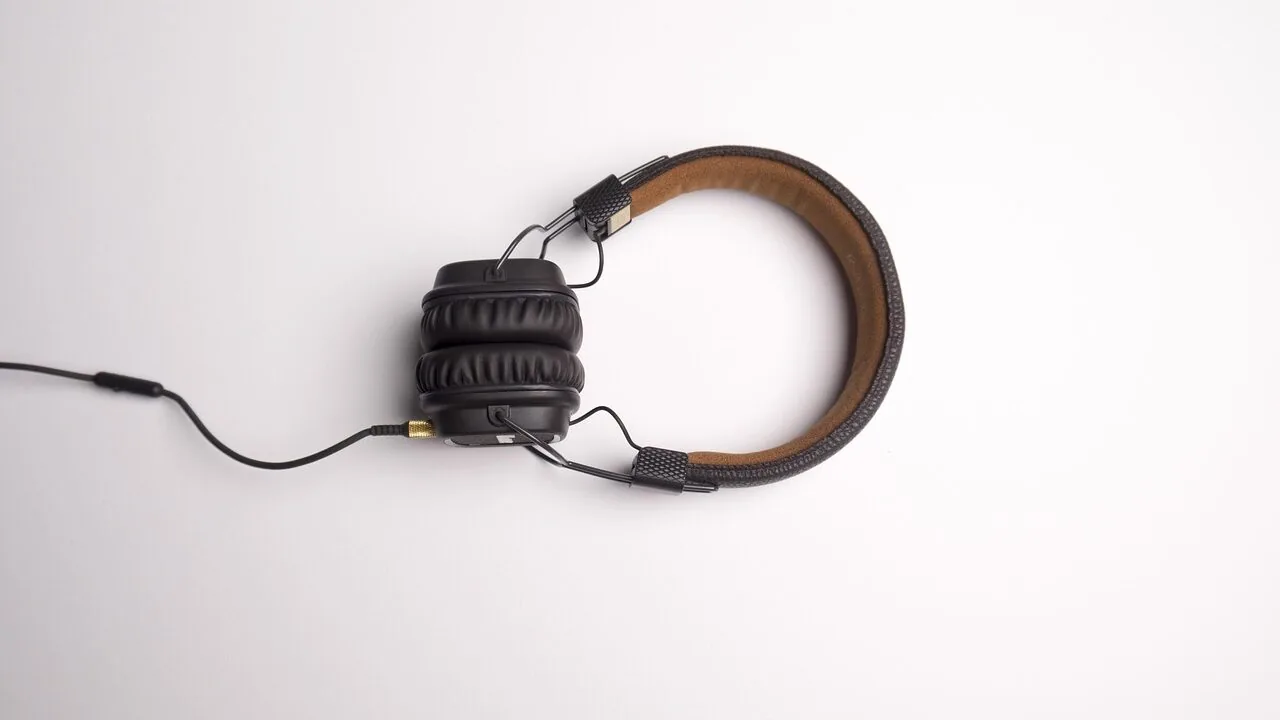
Over-ear headphones remain the gold standard for serious listening, whether you are deep in a recording session, commuting through a noisy city, or simply settling in for a long listening marathon at home.
Their larger driver size, generous ear cushion real estate, and superior passive isolation give them an acoustic advantage that in-ear designs still struggle to match.
The market in 2026 is more competitive than ever, spanning everything from entry-level wireless commuter cans to audiophile-grade open-back transducers that reveal detail most people have never heard in their favourite tracks.
If you also use noise cancelling wireless earbuds for shorter trips, you will quickly notice how much fuller and more spacious the soundstage becomes on a good pair of over-ears.
This guide covers the best over-ear headphones across every price tier and use case, drawing on manufacturer specifications, expert review consensus from across the audio press, and verified buyer feedback.
We assessed driver type, frequency response, active noise cancellation effectiveness, wireless performance, build quality, and comfort to build a ranked list that is useful whether your budget is modest or wide open.
Our top picks range from studio-proven wired monitors from beyerdynamic and Sennheiser to ANC-equipped daily drivers from JBL and Beats. Read on to see which model earned our highest recommendation.
| Award | Product | REMOVU Score About REMOVU ScoreThe REMOVU Score is our own rating from 0 to 10, based on performance, design and build, ease of use, and value. It reflects independent research and is never influenced by manufacturers, retailers, or affiliate commissions. Learn more › | Price | |
|---|---|---|---|---|
 Beyerdynamic DT 770 PRO 80 Ohm
|
7.8/10 | Buy | ||
 Sennheiser HD 560S Open-Back Headphones
|
6.9/10 | Buy | ||
| Best Value |
 JBL Live 770NC Over-Ear Headphones
|
7.6/10 | Buy | |
 Soundcore Q20i Hybrid ANC Over-Ear Headphones
|
6.8/10 | Buy | ||
| Best Overall |
 JLab JBuds Lux ANC Over-Ear Headphones
|
8.6/10 | Buy | |
| Best Budget |
 JBL Tune 720BT Wireless Headphones
|
7.5/10 | Buy | |
| Best Premium |
 Beats Solo 4 Wireless Headphones
|
8.3/10 | Buy | |
 TAGRY A18 Hybrid ANC Headphones
|
6.2/10 | Buy | ||
 Boean Active Noise Cancelling Headphones 120H
|
6.2/10 | Buy | ||
 HybridActiveNoiseCancelling Wireless Headphones
|
6.2/10 | Buy |
Beyerdynamic DT 770 PRO 80 Ohm
The DT 770 PRO 80 Ohm is a closed-back studio headphone built for professional monitoring and recording with exceptional bass definition and sound isolation. Ideal for music producers, sound engineers, and serious listeners who need accurate reference sound in a durable, comfortable package.
Pros
- Excellent bass response and low-frequency definition ideal for mixing and monitoring
- Outstanding sound isolation from ambient noise due to closed-back design
- Comfortable for extended wear with replaceable ear pads and adjustable headband
- Single-sided cable design prevents cable fatigue during frequent use
- Durable German build quality with replaceable components for long-term reliability
Cons
- Closed design may feel isolating for casual listening compared to open-back alternatives
- Heavier weight and clamping force may cause fatigue during very long sessions for some users
- Premium price point reflects professional-grade positioning rather than consumer budget options
Sennheiser HD 560S Open-Back Headphones
The Sennheiser HD 560S delivers neutral, reference-grade sound in an open-back design that excels for critical listening, gaming, and content creation. Its lightweight comfort and wide soundstage make it ideal for audiophiles and creators seeking accuracy without wireless compromise.
Pros
- Accurate, uncolored sound signature reveals subtle details across music, games, and recordings
- Spacious soundstage and open design reduce listener fatigue during long sessions
- Lightweight construction with soft velour pads delivers comfort without pressure points
- Versatile connectivity with detachable cable and multiple adapters for any audio source
- Excellent value for reference-grade audio quality compared to higher-tier Sennheiser models
Cons
- Open-back design leaks sound and provides no isolation, unsuitable for shared spaces or travel
- Wired connection limits mobility compared to wireless alternatives
- Requires careful amp matching for optimal performance with some audio interfaces
JBL Live 770NC Over-Ear Headphones
The JBL Live 770NC delivers impressive 65-hour battery life and True Adaptive Noise Cancelling in a comfortable over-ear design at a mid-range price. Best for commuters and students who prioritize endurance and sound quality without premium pricing.
Pros
- Exceptional battery life outlasts most competitors by 15+ hours, reducing charging frequency
- True Adaptive Noise Cancelling with Smart Ambient offers genuine flexibility between focus and awareness
- Dual device connection prevents missing notifications while multitasking across phone and tablet
- Fast 5-minute speed charge provides emergency listening time without full recharge
- Comfortable over-ear fit with fabric headband suitable for extended daily use
Cons
- 50-hour battery life with ANC enabled is significantly less than the 65-hour maximum, which may not meet power users' expectations
- True Adaptive Noise Cancelling may not match the performance of premium flagship models from Sony or Bose at higher price points
Soundcore Q20i Hybrid ANC Over-Ear Headphones
The Soundcore Q20i delivers strong active noise cancellation and impressive 40-hour battery life at an exceptional price point. Best suited for commuters and remote workers seeking reliable, comfortable all-day listening without premium pricing.
Pros
- Exceptional battery life at 40 hours with ANC on, among the best in the category
- Effective hybrid noise cancellation suitable for offices, commutes, and travel
- Fast charging capability delivers significant playback from minimal charge time
- Dual Bluetooth connectivity eliminates manual switching between work and personal devices
- Affordable price-to-performance ratio with Hi-Res audio support and app customization
Cons
- Active noise cancellation only works in Bluetooth mode; disabled when using wired AUX connection
- Heavier weight at 246 grams may cause fatigue during extended wear for some users
JLab JBuds Lux ANC Over-Ear Headphones
The JLab JBuds Lux ANC delivers exceptional value with 70+ hours of battery life, hybrid active noise cancellation, and spatial audio support at an accessible price point. Best for commuters and remote workers seeking all-day comfort without premium pricing.
Pros
- Exceptional battery endurance means a full work week of listening without recharging
- Hybrid ANC and Be Aware mode provide flexibility for different listening environments
- Cloud Foam cushions and adjustable hinges deliver genuine comfort during extended wear
- Bluetooth Multipoint and Wireless Share Mode offer practical multi-device connectivity
- JLab App provides meaningful sound customization and hearing protection features
Cons
- ANC performance reduces battery life by nearly 50%, limiting true all-day use with noise cancellation active
- Spatial Audio benefits depend on compatible apps and content, limiting real-world applicability for casual listeners
JBL Tune 720BT Wireless Headphones
The JBL Tune 720BT delivers exceptional value with up to 76 hours of battery life, Bluetooth 5.3 connectivity, and JBL's signature Pure Bass sound in a lightweight, foldable design. Best for budget-conscious listeners who prioritize battery endurance and comfort over active noise cancellation.
Pros
- Exceptional 76-hour battery life eliminates frequent charging needs
- Rapid charging delivers 3 hours of playback in just 5 minutes
- Lightweight construction ensures comfort during hours of continuous wear
- Foldable design makes portability practical for travel and daily commutes
- Bluetooth 5.3 provides reliable connectivity with minimal interference
- Free JBL Headphones App offers EQ customization and voice guidance
Cons
- No active noise cancellation, limiting use in loud environments
- Lacks auto play/pause sensor, requiring manual control when removing headphones
Beats Solo 4 Wireless Headphones
The Beats Solo 4 delivers impressive 50-hour battery life and lightweight comfort in an on-ear design, with solid sound quality and seamless pairing for both iOS and Android users. Best for commuters and all-day listeners who prioritize battery longevity over noise cancellation.
Pros
- Exceptional battery life eliminates frequent charging concerns for extended use
- Lightweight and ergonomic design ensures comfortable wear for extended listening sessions
- Fast Fuel quick-charge technology provides hours of playback from minimal charging time
- Strong Bluetooth connectivity with Class 1 range reduces dropouts and disconnections
- Universal compatibility works seamlessly across Apple and Android ecosystems
Cons
- On-ear design may not provide noise isolation compared to over-ear alternatives
- No active noise cancellation despite premium price point
TAGRY A18 Hybrid ANC Headphones
The TAGRY A18 delivers hybrid active noise cancellation up to 45dB and an impressive 120-hour battery life at an affordable price point. Best suited for frequent travelers, remote workers, and anyone seeking reliable ANC performance without premium pricing.
Pros
- Exceptional 120-hour battery life reduces charging hassle for travelers and busy professionals
- Effective hybrid ANC system handles real-world noise from planes, traffic, and offices
- 6-mic array captures voice clearly during calls, meetings, and online classes
- Comfortable memory foam design suits extended wear without fatigue
- Fast Bluetooth 6.0 pairing and low-latency performance for gaming and video streaming
Cons
- Product description lacks detailed technical specifications and codec support information
- Limited information on maximum ANC effectiveness in extremely loud environments compared to premium competitors
- Foldable design durability and hinge longevity not addressed in available product data
Boean Active Noise Cancelling Headphones 120H
The Boean headphones deliver exceptional value with 120-hour battery life, effective hybrid ANC that blocks up to 96.7% of noise, and five ENC microphones for clear calls. Ideal for commuters, remote workers, and travelers seeking all-day comfort without breaking the bank.
Pros
- Exceptional 120-hour battery life reduces charging to once per month
- Effective hybrid ANC blocks significant background noise for focused listening
- Five ENC microphones capture clear voice for professional calls and meetings
- Lightweight, foldable design with memory foam cushions ensures portable comfort
- Bluetooth 6.0 provides stable connectivity with minimal latency for gaming and video
Cons
- ANC function unavailable when using 3.5mm AUX wired mode
- Limited information on app functionality and customization options for sound profiles
HybridActiveNoiseCancelling Wireless Headphones
These over-ear wireless headphones deliver 120 hours of battery life, active noise cancellation, and hi-res audio in a lightweight design with memory foam ear cups. Ideal for remote workers, travelers, and anyone seeking all-day comfort without breaking the bank.
Pros
- Exceptional 120-hour battery life outlasts most competitors by weeks
- Memory foam ear cups stay comfortable even during 8+ hour workdays
- Active noise cancellation effectively reduces background noise and distractions
- Hi-res audio quality and deep bass provide immersive listening experience
- Lightweight design minimizes neck strain during extended use
Cons
- Product description lacks detailed specifications and performance metrics
- Limited information about noise cancellation depth compared to premium models
- No mention of water resistance or durability certifications
Over-Ear Headphones Buying Guide
Choosing the right pair of over-ear headphones comes down to matching the design and feature set to how, where, and what you listen to.
The categories below break down every decision point that separates a great purchase from a regretted one.
If you are also weighing whether earbuds might suit certain use cases better, our overview of the broader audio and headphones category is a useful starting point for comparison.
Open-Back vs. Closed-Back Design

This is the single most consequential choice you will make. Open-back headphones vent the rear of the driver cup to the outside air, which eliminates internal resonance and produces a wide, natural soundstage with accurate stereo imaging.
They are the preferred tool for critical listening, mixing, and mastering. The trade-off is that sound leaks freely in both directions, making them a poor choice in shared offices, public transit, or anywhere you need isolation.
Closed-back designs seal the driver inside the cup. That seal provides meaningful passive isolation from ambient noise, makes them commuter-friendly, and gives bass a slightly more emphatic character because low frequencies have nowhere to escape.
If you only buy one pair for use across multiple environments, closed-back is almost always the more practical answer.
Studio-focused closed-back models like the beyerdynamic DT 770 PRO split the difference admirably, performing well for recording monitoring while still sounding refined enough for everyday enjoyment.
Open-back models like the Sennheiser HD 560S are best reserved for a quiet home listening room or a solo mixing desk where you control your acoustic environment.
If you plan to use your headphones on a plane or in a busy office, a closed-back or ANC-equipped model is the wiser investment. You can read more about design trade-offs in our dedicated open-ear headphones section.
Active Noise Cancellation Effectiveness

Active noise cancellation (ANC) works by using onboard microphones to sample ambient sound and then generating an inverse waveform to cancel it before it reaches your ear. The quality of ANC implementation varies enormously across price points.
Premium implementations adapt in real time to shifting noise profiles, offering what some brands call adaptive or smart ANC.
Budget implementations often apply a fixed attenuation curve that handles low-frequency drone (engines, HVAC) well but struggles with higher-frequency or irregular sounds like voices and keyboard clatter.
Transparency or ambient mode is the inverse feature, piping in outside sound so you can hold a conversation or hear a gate announcement without removing the headphones. This mode varies in naturalness from model to model.
When evaluating ANC headphones, look for hybrid ANC, which places microphones both inside and outside the cup for better cancellation breadth, rather than feed-forward-only designs.
If ANC performance is your top priority and you are open to in-ear alternatives for lighter travel days, over-ear noise cancelling headphones and earbuds serve complementary roles.
Mid-range options like the JBL Live 770NC deliver hybrid ANC with up to 65 hours of total battery life, making them a strong value for frequent travellers who do not want to compromise on endurance.
Sound Signature and Driver Technology
Dynamic drivers are by far the most common technology in over-ear headphones. A large-diameter dynamic driver (typically 40 mm or larger) can move considerable air, which translates to deep, controlled bass and natural midrange texture.
Sound signature is the overall tonal character a manufacturer voices into the headphone, and it matters a great deal.
Neutral, reference-tuned headphones like the Sennheiser HD 560S present audio as it was recorded, with minimal colouration, making them popular with producers and audiophiles.
Consumer-oriented signatures like JBL Pure Bass boost the low end and presence region to give casual music a more engaging, energetic feel.
Impedance is a related consideration. High-impedance models (80 ohms and above) require more voltage to reach comfortable listening levels and will underperform when driven directly from a smartphone without an adequate output stage.
If you plan to use a high-impedance model at a desk, pairing it with a dedicated amplifier unlocks its full dynamic range.
Exploring DACs and headphone amps is worthwhile for anyone investing in a studio-grade wired headphone like the beyerdynamic DT 770 PRO.
Hi-Res Audio certification indicates that a headphone’s frequency response extends to at least 40 kHz, covering the full range of high-resolution audio files.
While human hearing typically tops out around 20 kHz, the extended headroom can reduce intermodulation distortion within the audible band. Several models in this roundup carry Hi-Res Audio certification, including the Soundcore Q20i and TAGRY’s flagship wireless model.
Wireless Performance and Battery Life

Bluetooth version is a reliable proxy for wireless stability and codec support. Bluetooth 5.0 and above deliver noticeably lower latency and more robust connections compared to older implementations.
Codec support is equally important: AAC suits iPhone users, aptX and aptX HD benefit Android listeners with compatible sources, and LDAC (Sony’s high-definition codec) offers near-lossless wireless audio for those who invest in hi-res streaming services.
If wireless earbuds are part of your ecosystem, our roundup of wireless earbuds for Android phones and our guide to wireless earbuds for iPhone users explain codec compatibility in depth.
Battery life in over-ear headphones has improved dramatically. Mid-range models now routinely quote 40 to 76 hours of playback, while ANC-on figures are more modest (typically 30 to 40 hours at moderate volume).
Fast charging is increasingly standard and particularly valuable when a short charge window needs to cover a full commute. Always check the ANC-on battery figure, not just the headline number, because the gap can be significant.
Comfort, Fit, and Build Quality

Comfort is non-negotiable for headphones worn for hours at a stretch.
Key variables include clamping force (how tightly the cups press against the head), ear cushion material (memory foam retains shape and distributes pressure; pleather is easy to clean but can trap heat; fabric breathes better but absorbs sweat), and headband padding.
Heavier headphones, even with luxurious padding, cause fatigue over long sessions because of gravitational load on the cervical spine.
Ear cup diameter and depth determine whether the headphone is truly circumaural (ear sits inside the cup) or supra-aural (cups rest on the ears).
True circumaural designs provide better passive isolation and are more comfortable for extended wear, particularly for listeners with larger ears.
If you plan to use headphones while active, the foldable, lightweight designs offered by models like the JBL Tune 720BT prioritise portability and compact storage without sacrificing daily usability.
Build quality ranges from premium aluminium and stainless steel on studio models to polycarbonate shells on budget-tier wireless options.
For a headphone that travels, look for a reinforced headband, swivelling cups that fold flat, and a carrying pouch or hard case. Wired models typically offer a replaceable cable, which meaningfully extends product lifespan.
High-end wired headphones like the beyerdynamic DT 770 PRO are built to a standard where the pads, cable, and headband can all be serviced independently.
Wired vs. Wireless: Choosing the Right Connectivity
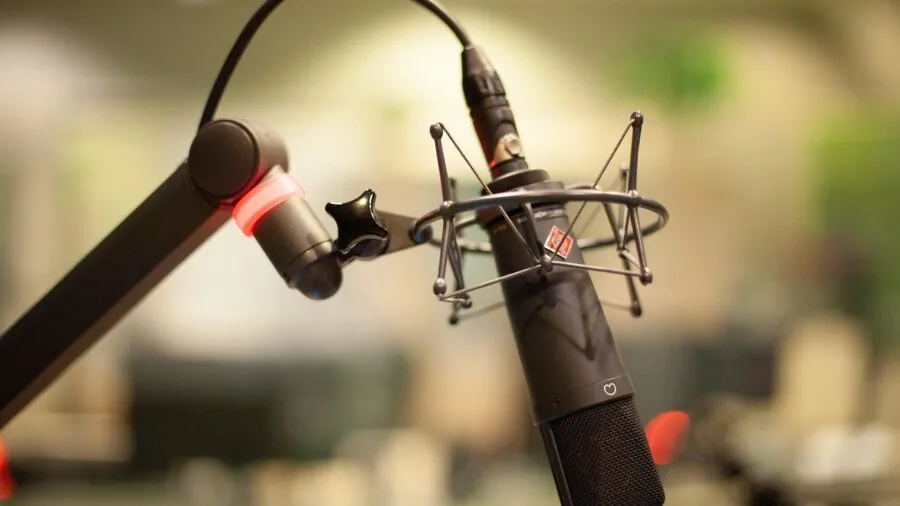
Wired headphones remain unbeatable for zero-latency, lossless audio quality, which is why recording engineers and mixing professionals rarely reach for Bluetooth.
A wired connection also means no battery anxiety, no codec compression, and no wireless interference in RF-dense environments like conference centres or airports. The limitations are cable management and reduced mobility.
Wireless headphones trade some of that audio fidelity ceiling for freedom of movement and the convenience of integrated controls.
The best modern Bluetooth codecs narrow the quality gap considerably, and for streaming at typical quality tiers, most listeners will find wireless performance entirely satisfying.
Many wireless over-ear headphones also include a 3.5 mm wired fallback mode so you retain connectivity on long-haul flights or when the battery runs out.
For workouts and running, over-ear headphones are generally less popular than lightweight workout earbuds due to their size and sweat exposure, though some foldable models with fabric headbands are rated for light exercise.
If you need headphones that survive heavy perspiration or rain, waterproof wireless earbuds are a more appropriate solution for high-intensity activity.
Why You Should Trust Us
REMOVU is an independent review platform with no brand affiliations, no retail arm, and no editorial relationship with manufacturers.
Every product in this roundup was assessed using our REMOVU Score methodology, a standardised 0 to 10 rating system that evaluates each model against consistent criteria across its category.
We do not conduct our own product trials; our evaluations are grounded in research, published data, expert review consensus, and verified buyer feedback.
Our assessment process for over-ear headphones weighed driver design and frequency response data, ANC implementation quality, wireless codec support and Bluetooth generation, battery endurance under ANC and non-ANC conditions, comfort and build quality based on aggregated long-term owner feedback, and value relative to competing options at the same price tier.
We cross-referenced manufacturer specifications with independent acoustic measurements where available and with consistent patterns across verified purchaser reviews on major retail platforms.
REMOVU earns a commission when you purchase through links on this page. That affiliate relationship does not influence our rankings, scores, or pick selection in any way.
Products are ranked by REMOVU Score, which reflects research quality and evidence strength, not commission rate.
We only recommend models we can support with a clear evidence base, and we update our picks regularly to reflect product discontinuations, firmware changes, and emerging competitors.
Final Thoughts
The best over-ear headphones for you depend on whether you prioritise reference accuracy, commuter convenience, wireless freedom, or budget efficiency.
This roundup covers the full spectrum, and the REMOVU Score reflects not just raw performance but overall value within each segment. Below are our editorial picks distilled into specific recommendations.
- Best Overall: Sennheiser HD 560S earns the top REMOVU Score in this roundup thanks to its reference-grade open-back tuning, accurate frequency response, and exceptional resolving power that outclasses anything near its price in the audiophile segment.
- Best for Studio and Recording Work: beyerdynamic DT 770 PRO 80 Ohm is the closed-back benchmark for professional monitoring, with a durable build, replaceable components, and a frequency response that has satisfied engineers for decades.
- Best Wireless All-Rounder: JBL Live 770NC delivers genuine hybrid ANC, an impressive battery life, and a comfortable fabric headband in a package that punches above its mid-range price, making it the strongest everyday wireless choice in the group.
- Best Budget ANC Pick: Soundcore by Anker Q20i offers hybrid ANC, Hi-Res Audio certification, and 40 hours of ANC playtime at a budget-friendly price that few competing models can match without meaningful compromises.
- Best Ultra-Affordable Entry: JBL Tune 720BT prioritises battery longevity and portability at a low price, making it a sensible first wireless over-ear headphone for listeners not yet ready to invest in premium ANC.
Whichever direction you choose, pairing a great headphone with quality source material makes a meaningful difference. If you stream music, consider a lossless or hi-res tier from your platform of choice.
If you work with audio professionally, a dedicated headphone amplifier will reveal what a high-impedance headphone is truly capable of.
And if you share your audio ecosystem between headphones and speakers, our guide to Bluetooth speakers covers the best portable and home options to complement your listening setup.
Frequently Asked Questions
What is the difference between open-back and closed-back over-ear headphones?
Open-back headphones vent the rear of the driver cup to allow air and sound to pass freely. This produces a wider, more natural soundstage and is preferred for critical listening, mixing, and mastering in quiet environments.
Closed-back headphones seal the driver inside the cup, which provides passive noise isolation and makes them suitable for commuting, shared offices, and studio recording where microphone bleed would be a problem.
If you need one pair for both home and commuter use, closed-back is the more practical default.
Do I need an amplifier for over-ear headphones?
Most wireless and low-impedance (32 ohm or below) wired headphones will play at comfortable volumes directly from a smartphone or laptop. High-impedance models, typically 80 ohms and above, require more voltage to reach their full dynamic potential.
Driving a high-impedance headphone from a phone’s headphone jack will technically work but may result in lower volume, compressed dynamics, and reduced bass authority.
A dedicated headphone amplifier or a combined DAC/amp solves this and is strongly recommended for studio-grade wired models.
How effective is active noise cancellation on mid-range headphones?
Mid-range ANC headphones perform well on consistent, low-frequency noise such as aircraft cabin drone, train rumble, and HVAC systems. They are less effective on irregular or high-frequency sounds like conversations and keyboard noise.
Hybrid ANC designs, which use microphones on both the inner and outer surfaces of the cup, generally outperform single-microphone feed-forward systems.
If your primary use case is long-haul flights or open-plan offices, the ANC tier in models like the JBL Live 770NC and Soundcore Q20i delivers meaningful relief without requiring a flagship investment.
For a deeper comparison of ANC options, our guide to noise cancelling headphones covers the full market in detail.
Are over-ear headphones suitable for phone calls?
Most wireless over-ear headphones include integrated microphones for calls, but call quality varies significantly. Look for models with multiple ENC (Environmental Noise Cancellation) microphones for cleaner voice pickup in noisy environments.
Some models also support dedicated voice assistant access via a hardware button, which is convenient for hands-free use.
If phone call quality is your top priority across both headphones and earbuds, our roundup of wireless earbuds for phone calls provides a detailed comparison of microphone performance in that category.
How do over-ear headphones compare to wireless earbuds for everyday use?
Over-ear headphones typically offer more bass depth, longer battery life, and greater passive isolation than earbuds of comparable price.
They are better suited to extended seated listening, travel on public transport, and any scenario where audio quality takes priority over portability. Earbuds win on compactness, sweat resistance, and ease of carrying.
Many listeners own both: over-ears for commutes and focused listening, earbuds for workouts and short outings. Our comprehensive guide to wireless earbuds covers the full range of options if you are building out a complementary audio setup.
What battery life should I expect from wireless over-ear headphones?
Entry-level wireless over-ear headphones typically deliver around 30 to 40 hours of playback without ANC enabled. Mid-range models with ANC often quote 40 to 65 hours total, dropping to 25 to 40 hours with ANC active. Some models in this roundup exceed 70 hours of non-ANC playback.
Fast charging is increasingly standard, with many models recovering several hours of playback from a 10 to 15 minute charge.
Always evaluate the ANC-on battery figure if noise cancellation is a key feature for you, since that number more accurately reflects real-world usage.
About the author
Rosemary covers gaming headsets for REMOVU, weighing positional audio, mic clarity, and all-day comfort across platforms. She tracks where the best value sits between wired and wireless models.