The 12 Best Wired Over-Ear Headphones
Wired over-ear headphones deliver lossless audio with no battery anxiety. Here are the top picks for studio monitoring, critical listening, and everyday use at every price.
 By Nevaeh Ross
Updated July 26, 2026
By Nevaeh Ross
Updated July 26, 2026
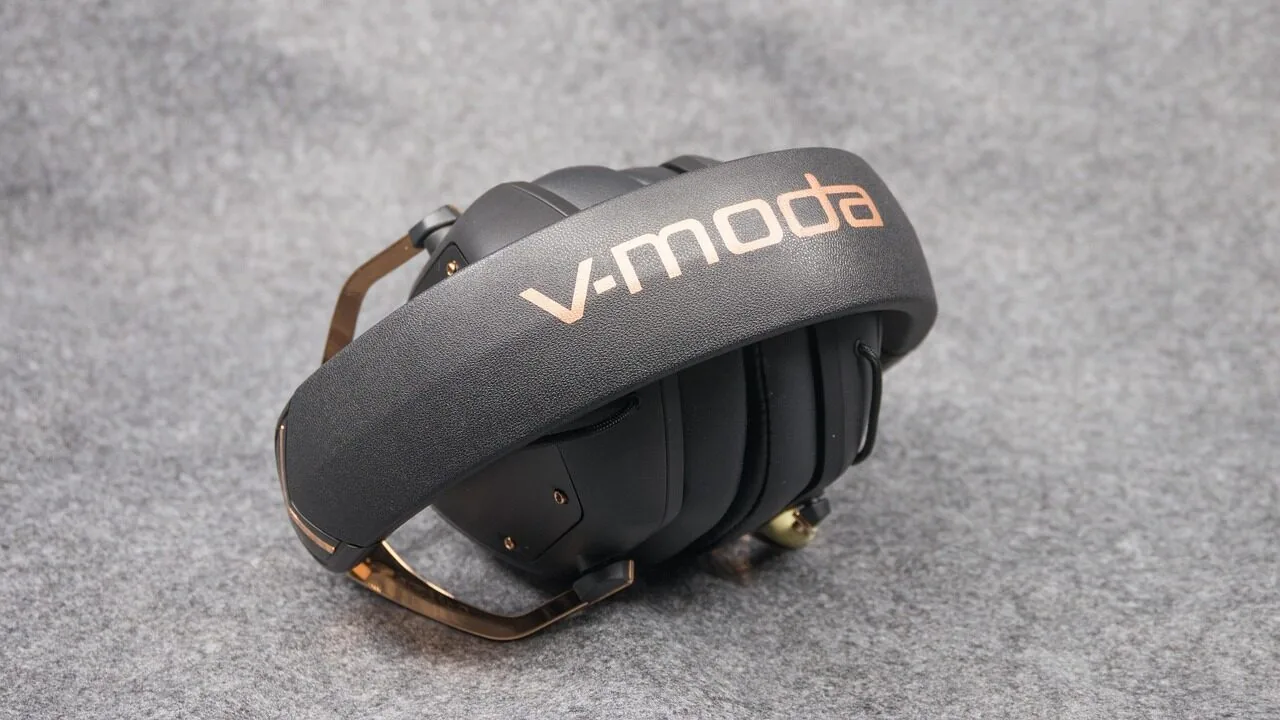
Wired over-ear headphones remain the gold standard for anyone who demands uncompromising audio quality, whether you’re tracking vocals in a studio, mixing a podcast, or simply enjoying music the way it was meant to be heard.
Unlike their wireless counterparts, wired models deliver a stable, lossless signal with no latency, no batteries to charge, and no compression artifacts, qualities that professional audio engineers and discerning listeners have relied on for decades.
The market spans everything from affordable starter cans to reference-grade studio monitors, and choosing the wrong pair for your needs can mean leaving real sonic value on the table.
Brands like Sony, Sennheiser, beyerdynamic, Shure, and Audio-Technica have shaped this category, and their flagship models continue to set the benchmark others are measured against.
This guide cuts through the noise by focusing on what actually matters when shopping for wired over-ear headphones in 2026: sound signature, build quality, comfort for long sessions, impedance and driver design, and the use cases each model genuinely excels at.
Our research draws on published specifications, consensus from expert audio reviewers, and verified buyer feedback to surface the picks worth your attention.
Whether you need a closed-back workhorse for studio recording or an open-back design for relaxed critical listening at home, the ranked picks below give you a starting point grounded in rigorous analysis.
| Award | Product | REMOVU Score About REMOVU ScoreThe REMOVU Score is our own rating from 0 to 10, based on performance, design and build, ease of use, and value. It reflects independent research and is never influenced by manufacturers, retailers, or affiliate commissions. Learn more › | Price | |
|---|---|---|---|---|
| Best Overall |
 Sony MDR-M1 Professional Reference Headphones
|
8.4/10 | Buy | |
 Sennheiser HD 560S Open-Back Headphones
|
6.9/10 | Buy | ||
 Shure SRH840A Professional Studio Headphones
|
7.6/10 | Buy | ||
 Beyerdynamic DT 990 PRO Open-Back Studio Headphones
|
7.2/10 | Buy | ||
| Best Premium |
 Beyerdynamic DT 770 PRO 80 Ohm
|
7.8/10 | Buy | |
 Philips Fidelio X2HR Open-Back Headphones
|
8.1/10 | Buy | ||
| Best Budget |
 Audio-Technica ATH-M40x Studio Headphones
|
7.1/10 | Buy | |
| Best Value |
 Sony MDR-7506 Professional Studio Headphones
|
8.3/10 | Buy | |
 Sennheiser HD 505 Open-Back Headphones
|
6.5/10 | Buy | ||
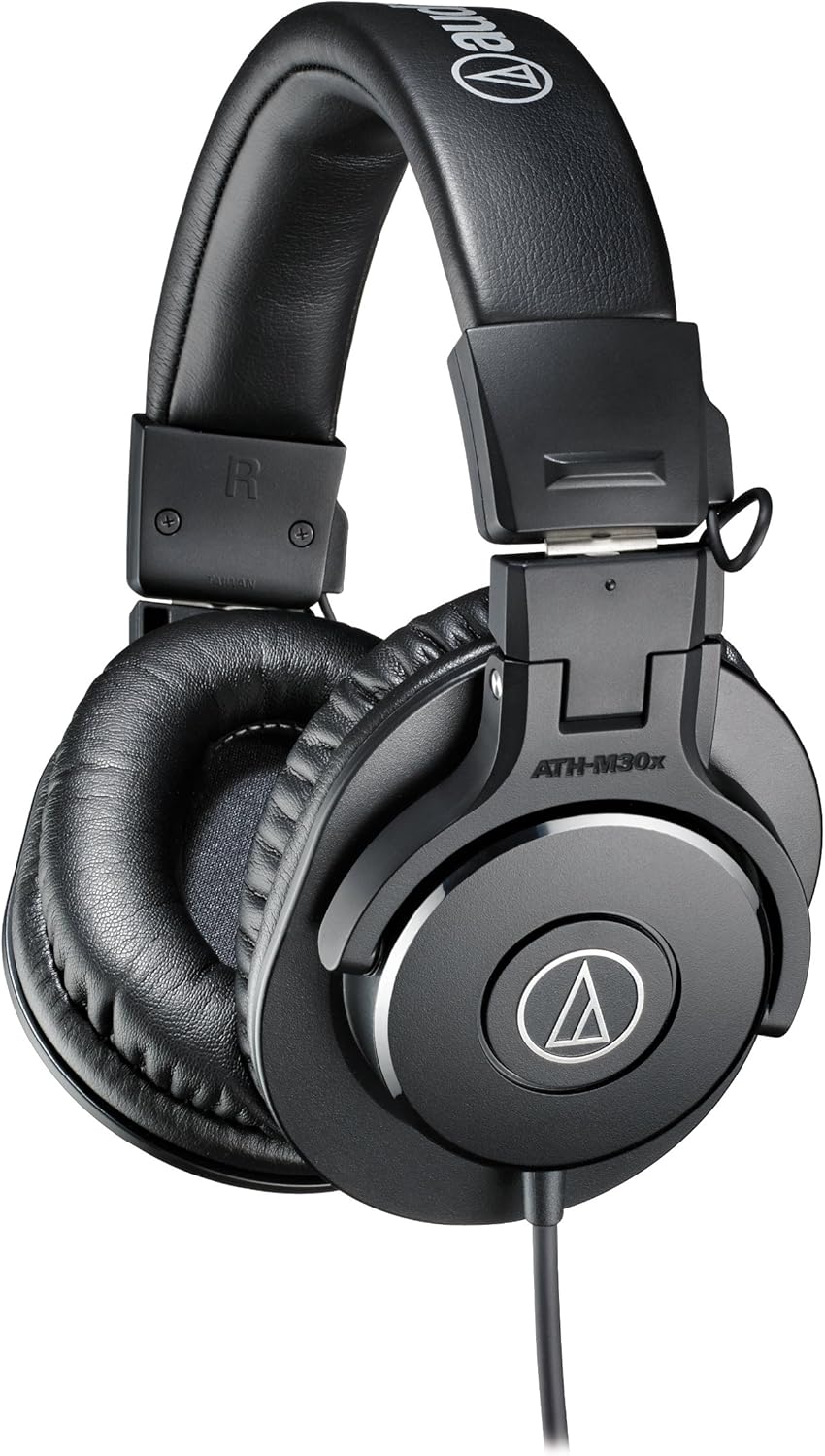 Audio-Technica ATH-M30x Studio Monitor Headphones
|
6.5/10 | Buy | ||
 Audio-Technica ATH-M20x Studio Headphones
|
6.2/10 | Buy | ||
 OneOdio A71 Studio Headphones
|
6.2/10 | Buy |
Sony MDR-M1 Professional Reference Headphones
The Sony MDR-M1 delivers studio-grade sound reproduction with a 5Hz-80kHz frequency response and closed-back isolation, making it ideal for music producers, mixing engineers, and audio professionals who need accurate monitoring in varied environments. At 216g with replaceable earpads and dual cable options, it balances precision with long-session comfort.
Pros
- Exceptional frequency response (5Hz-80kHz) captures details across the entire audio spectrum for critical listening
- Closed-back design with high sound isolation allows accurate monitoring without acoustic room interference
- Lightweight and ergonomic design supports comfortable wear during long mixing and mastering sessions
- Modular design with replaceable earpads and two cable lengths reduces long-term ownership costs
- Professional-grade connectivity with dual adapter options fits both standard studio and portable equipment
Cons
- Closed-back design may feel isolating during extended use and limits ambient awareness compared to open-back alternatives
- 24-ohm impedance requires proper gain staging on some audio interfaces to avoid noise floor issues
- Price point positions it as a premium option, making it less accessible for hobbyists or budget-conscious home studios
Sennheiser HD 560S Open-Back Headphones
The Sennheiser HD 560S delivers neutral, reference-grade sound in an open-back design that excels for critical listening, gaming, and content creation. Its lightweight comfort and wide soundstage make it ideal for audiophiles and creators seeking accuracy without wireless compromise.
Pros
- Accurate, uncolored sound signature reveals subtle details across music, games, and recordings
- Spacious soundstage and open design reduce listener fatigue during long sessions
- Lightweight construction with soft velour pads delivers comfort without pressure points
- Versatile connectivity with detachable cable and multiple adapters for any audio source
- Excellent value for reference-grade audio quality compared to higher-tier Sennheiser models
Cons
- Open-back design leaks sound and provides no isolation, unsuitable for shared spaces or travel
- Wired connection limits mobility compared to wireless alternatives
- Requires careful amp matching for optimal performance with some audio interfaces
Shure SRH840A Professional Studio Headphones
The Shure SRH840A delivers accurate, detailed sound with a closed-back design ideal for recording, mixing, and critical listening. Built for comfort during long studio sessions with a detachable locking cable system, these headphones are a solid choice for audio professionals and serious home recordists.
Pros
- Accurate frequency response (5-25,000 Hz) ideal for critical listening, recording, and mixing applications
- Exceptional comfort for long sessions thanks to lightweight design and premium padding
- Durable closed-back construction withstands constant professional use and looks professional on camera
- Detachable cable with locking mechanism prevents accidental disconnection and simplifies storage
- Excellent value at the $169 price point with 4.6/5 rating from 400 verified users
Cons
- Closed-back design may feel isolating in non-studio environments; not ideal for casual listening in shared spaces
- 40-ohm impedance requires adequate amplification from audio interfaces or mixing consoles for optimal performance
Beyerdynamic DT 990 PRO Open-Back Studio Headphones
The DT 990 PRO are professional open-back studio headphones delivering spacious, transparent sound with balanced bass and treble ideal for mixing and critical listening. Best suited for producers, audio engineers, and audiophiles who prioritize soundstage and detail over isolation.
Pros
- Outstanding clarity and detail retrieval with wide, natural soundstage for critical listening
- Comfortable circumaural design with soft, replaceable ear pads suitable for long studio sessions
- Handcrafted German build quality with high-grade materials ensures long-term reliability
- Open-back design delivers impressive spaciousness without muddy bass coloration
- Single-sided cable reduces cable noise and tangling during active studio work
Cons
- Open-back design provides no noise isolation, making them unsuitable for use in noisy environments or for personal listening in public spaces
- Requires a dedicated headphone amplifier or pro audio interface to reach optimal performance with 250 ohm impedance
- Sound leakage is significant due to open-back design, potentially disturbing others nearby
Beyerdynamic DT 770 PRO 80 Ohm
The DT 770 PRO 80 Ohm is a closed-back studio headphone built for professional monitoring and recording with exceptional bass definition and sound isolation. Ideal for music producers, sound engineers, and serious listeners who need accurate reference sound in a durable, comfortable package.
Pros
- Excellent bass response and low-frequency definition ideal for mixing and monitoring
- Outstanding sound isolation from ambient noise due to closed-back design
- Comfortable for extended wear with replaceable ear pads and adjustable headband
- Single-sided cable design prevents cable fatigue during frequent use
- Durable German build quality with replaceable components for long-term reliability
Cons
- Closed design may feel isolating for casual listening compared to open-back alternatives
- Heavier weight and clamping force may cause fatigue during very long sessions for some users
- Premium price point reflects professional-grade positioning rather than consumer budget options
Philips Fidelio X2HR Open-Back Headphones
The Philips Fidelio X2HR delivers high-resolution audio with exceptional clarity and comfort, making it ideal for audiophiles and home studio listeners who prioritize sound quality and all-day wearability. Its open-back design and 50mm drivers produce transparent, detailed sound across all frequencies.
Pros
- Exceptional sound clarity and detail with Hi-Res Audio certification and extended 40kHz frequency response
- Lightweight, self-adjusting design with memory foam and velour pads delivers comfort during long listening sessions
- Open-back acoustic design creates spacious, transparent soundstage ideal for critical listening and studio work
- Replaceable ear-pads and detachable cable extend product lifespan and provide customization options
- Handpicked and individually tuned drivers ensure consistent quality and natural sound reproduction
Cons
- Open-back design offers minimal sound isolation, making them unsuitable for travel or noisy environments
- Wired connection limits portability compared to wireless alternatives
- Premium price point may exceed budget for casual listeners seeking basic audio quality
Audio-Technica ATH-M40x Studio Headphones
The ATH-M40x are professional-grade closed-back studio headphones with flat frequency response tuning for accurate monitoring and mixing. Built with durable materials and swiveling earcups, they're ideal for audio engineers, producers, and DJs who need reliable reference headphones at an accessible price point.
Pros
- Flat frequency response tuning makes these headphones ideal for accurate mixing and critical listening
- Lightweight yet durable construction with premium materials provides comfort for long studio sessions
- Excellent sound isolation from circumaural design keeps you focused in loud or noisy environments
- Detachable cables and collapsible design offer genuine portability without sacrificing build quality
- Swiveling earcups allow seamless one-ear monitoring for tracking and real-time feedback
Cons
- Wired connection with no wireless option limits mobility in the studio
- Flat tuning profile may sound less engaging for casual listening compared to consumer headphones
Sony MDR-7506 Professional Studio Headphones
The Sony MDR-7506 are closed-back studio headphones trusted by professionals for over 30 years, delivering balanced sound with deep bass and clear mids ideal for recording, mixing, and broadcast work. Built rugged and lightweight with replaceable earpads, they're a reliable choice for engineers and producers who need accurate monitoring without breaking the bank.
Pros
- Accurate, neutral sound profile ideal for critical listening, mixing, and mastering tasks
- Extremely durable construction withstands daily professional use in demanding environments
- Lightweight and foldable design makes transport and storage convenient for mobile recording
- Replaceable earpads and robust build quality provide excellent long-term value
- Effective noise isolation from closed-ear design reduces need for high volume levels
Cons
- Non-detachable cable limits flexibility if replacement is needed
- Closed-back design may feel isolating for extended wear in non-studio environments
- Fixed cable length requires adapter for some professional audio interfaces
Sennheiser HD 505 Open-Back Headphones
The Sennheiser HD 505 delivers transparent, analytical sound with exceptional clarity across music, gaming, and professional work. Lightweight and comfortable for all-day wear, these open-back headphones excel for audiophiles and detail-oriented listeners seeking high-fidelity audio without premium pricing.
Pros
- Exceptional clarity and detail retrieval make hidden instrumental nuances audible
- Comfortable lightweight design with plush padding eliminates fatigue during extended listening
- Spacious soundstage from open-back design creates immersive, natural listening experience
- Versatile performance across music, gaming, and professional applications
- Durable construction with detachable cable and included drawstring bag
Cons
- Open-back design leaks sound, making them unsuitable for quiet shared spaces
- 120 Ohm impedance may require amplification for optimal performance with portable devices
- Wired-only connection limits mobility compared to wireless alternatives
Audio-Technica ATH-M30x Studio Monitor Headphones
The ATH-M30x delivers professional-grade monitoring with 40mm drivers and excellent mid-range clarity in a lightweight, portable package. Ideal for studio professionals and field recordists seeking accurate sound isolation and durability at an affordable price point.
Pros
- Accurate, balanced sound signature tuned for professional monitoring and mixing tasks
- Excellent sound isolation from circumaural design keeps ambient noise out during recording
- Comfortable fit and lightweight build support long studio sessions without fatigue
- Durable construction with premium materials withstands frequent use and transport
- Collapsible design and included adapter increase versatility for studio and field applications
Cons
- Wired connection limits mobility compared to wireless alternatives
- Mid-range emphasis may not suit casual listening or bass-heavy music genres
Audio-Technica ATH-M20x Studio Headphones
The ATH-M20x delivers accurate, studio-grade audio in a lightweight, durable package designed for tracking and mixing. At this price point, it's an excellent entry-level choice for home producers, audio engineers, and anyone seeking professional-quality sound isolation.
Pros
- Accurate, well-balanced audio suitable for critical listening and studio work
- Excellent passive isolation makes these ideal for tracking vocals and instruments
- Comfortable fit for multi-hour studio sessions thanks to professional-grade ear pads
- Durable build quality at an entry-level price point
- Includes 1/4-inch adapter for compatibility with studio equipment
Cons
- Wired design with fixed cable limits portability compared to wireless alternatives
- Bass-forward tuning may not suit those preferring neutral frequency response
- Limited cable length at 9.8 feet may require extension for some studio setups
OneOdio A71 Studio Headphones
The OneOdio A71 delivers professional-grade monitoring at an entry-level price, with dual jack compatibility (3.5mm and 6.35mm) and comfortable padded ear cups ideal for long studio sessions. Best suited for home recording, podcasting, and DJs on a budget.
Pros
- Exceptional value for professional monitoring at under $30, outperforming similarly priced competitors
- Dual jack system handles virtually any audio source without adapters, from vintage amplifiers to modern USB interfaces
- Lightweight yet durable construction with protein leather cushions remains comfortable during 8+ hour studio marathons
- Inline microphone and jack lock system provide secure, stable connections for live recording and podcasting
- Single-sided monitoring capability ideal for recording vocals or instruments while hearing ambient room sound
Cons
- Wired connection limits mobility compared to wireless alternatives, though this is standard for studio monitoring headphones
- 40mm drivers are smaller than some competing studio models, which may result in slightly less bass extension than 50mm alternatives
- No active noise cancellation, so external room noise will still be audible during quiet passages
Wired Over-Ear Headphones Buying Guide
Shopping for wired over-ear headphones is not as simple as picking the most expensive pair on the shelf.
Sound is deeply personal, and the right pair depends on how you plan to use them, what you’ll plug them into, and how long you typically wear them in a single session.
The sections below walk through each decision point so you can match the technical details to your real-world needs. If wireless flexibility is a priority for other situations, our wireless earbuds roundup covers that territory in depth.
Open-Back vs. Closed-Back Design
This is the single most consequential decision you’ll make. Open-back headphones feature perforated or mesh ear cups that allow air and sound to pass freely between the driver and the outside environment.
The result is a wide, airy soundstage that feels natural and spacious, often described as listening through speakers rather than headphones.
Models like the Sennheiser HD 560S and beyerdynamic DT 990 PRO are classic examples of open-back design optimized for critical listening, mixing reference work, and long listening sessions at home where ambient noise is not a concern.
Closed-back headphones, by contrast, seal the ear cup completely. This provides passive noise isolation, prevents sound from leaking out (important in recording environments where microphone bleed is a risk), and generally produces a more bass-present, intimate sound.
The Sony MDR-M1, beyerdynamic DT 770 PRO, Shure SRH840A, and Sony MDR7506 are all closed-back designs built for studio and broadcast use. If you work in a shared space, record instruments, or commute, closed-back is almost always the practical choice.
For audiophiles listening alone at home, open-back typically offers a more enjoyable and accurate experience. Note that open-back headphones also let sound leak out significantly, so they are not suitable for shared or quiet environments where others might be disturbed.
Impedance and Source Compatibility

Impedance, measured in ohms, determines how much voltage a headphone needs to reach comfortable listening levels. Low-impedance models (16 to 50 ohms) work fine directly from a smartphone, laptop headphone jack, or portable audio player.
High-impedance models (250 ohms and above) require significantly more voltage to perform at their best, meaning they are best paired with a dedicated headphone amplifier or audio interface.
The beyerdynamic DT 990 PRO at 250 ohms is a prime example: it sounds flat and congested when driven straight from a phone, but opens up beautifully through a quality amp or audio interface.
Investing in a DAC and headphone amplifier is often the logical next step once you move into high-impedance territory.
If you do not own or plan to buy a dedicated amp, stick to headphones rated at 80 ohms or below.
The beyerdynamic DT 770 PRO 80 Ohm version, the Shure SRH840A at 40 ohms, and the entire Audio-Technica ATH-M series are all designed to be driven adequately by consumer-grade sources.
That said, all of these headphones still benefit from clean output; a quality audio interface or portable DAC will produce noticeably better results than a budget laptop’s integrated audio chip.
Sound Signature and Intended Use Case
Professional headphones are generally tuned to one of two sound philosophies: reference-flat (accurate) or consumer-friendly (enhanced bass and treble).
Reference-flat tuning, as found in models like the Sony MDR7506, Shure SRH840A, and Audio-Technica ATH-M40x, aims to reproduce audio as close to the original recording as possible without artificially boosting any frequency range.
This is what mixing engineers, podcasters, and broadcast professionals need; any coloration in the headphones would translate into poor mixing decisions.
Consumer-tuned headphones, including some open-back audiophile cans, add warmth or air to make music more enjoyable during casual listening.
The beyerdynamic DT 990 PRO, for instance, is known for its elevated treble and airy highs, which some listeners find fatiguing over long sessions but others find exhilarating for certain genres.
The Philips Fidelio X2HR takes a similarly engaging approach with its large 50mm drivers.
Think of it this way: if you are producing or editing audio professionally, reach for a flat-response model; if you are listening for pleasure at home, a more colored tuning may be genuinely more enjoyable.
Reference accuracy and listening enjoyment are different goals, and the best headphone for you depends on which matters more.
Driver Size and Frequency Response

Most wired over-ear headphones in this segment use dynamic drivers ranging from 30mm to 50mm in diameter.
Larger drivers are not automatically better, but they can move more air, which often translates to a more authoritative low-frequency response and a more expansive soundstage.
The Philips Fidelio X2HR’s 50mm drivers and the Sony MDR-M1’s large-diaphragm design both leverage driver size as part of their engineering story.
What matters more than raw driver diameter is driver quality: materials, motor design, and tuning all play a larger role in perceived sound quality than size alone.
Frequency response specifications, such as 5 Hz to 25,000 Hz on the Shure SRH840A or 15 Hz to 24,000 Hz on the ATH-M40x, indicate the range of frequencies a headphone can reproduce.
Human hearing typically spans 20 Hz to 20,000 Hz, so extensions beyond that range are less critical than how evenly a headphone covers the audible spectrum.
Look at measured frequency response curves published by independent audio engineers rather than raw spec numbers, as a wide nominal range does not guarantee flat, accurate reproduction across that range.
Build Quality, Comfort, and Long-Session Wearability

Studio headphones are often worn for four to eight hours continuously, so comfort is not a secondary consideration.
Key factors include ear cup depth (shallow cups press against ears; deep cups allow the ear to sit freely inside), clamping force (too tight causes fatigue; too loose and the seal deteriorates), headband padding, and ear pad material.
Velour pads, as used on the beyerdynamic DT 990 PRO and DT 770 PRO, tend to breathe better than leather or synthetic leather, reducing heat buildup over long sessions.
The Audio-Technica ATH-M50x heritage and the Shure SRH840A’s plush circumaural pads are both well-regarded for extended wear.
Build durability is equally important for professional use. The Sony MDR7506 has been a broadcast industry staple for decades partly because its folding design and rugged construction hold up in demanding environments.
Detachable cables, available on models like the Shure SRH840A and Audio-Technica ATH-M40x, are a significant practical advantage: a frayed or broken cable on a fixed-cable model means replacing the entire headphone, while a detachable cable replacement costs a fraction of the price.
If you plan to use your headphones professionally or travel with them regularly, prioritize detachable cables and reinforced hinges.
Cable Configuration and Connectivity
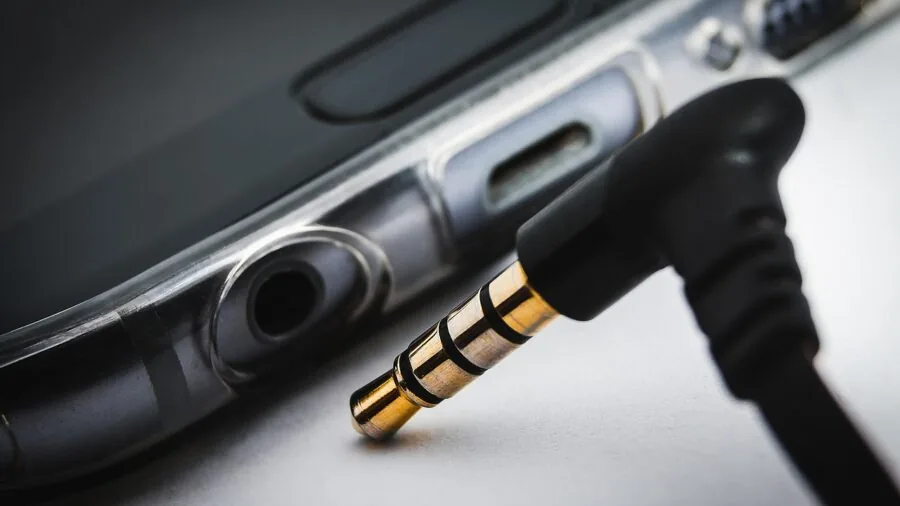
Wired over-ear headphones terminate in either a 3.5mm (1/8-inch) or 6.35mm (1/4-inch) connector, and most studio-oriented models include an adapter for both.
Coiled cables, as found on the beyerdynamic DT 990 PRO, are popular in studio settings where they retract neatly and resist tangling. Straight cables, standard on most other models in this lineup, are more practical for portable use.
Cable length matters too: a 3-meter coiled cable is ideal next to a mixing desk but awkward on a commute, while a 1.2-meter straight cable suits portable listening but may feel constrictive at a desk setup.
Some models in this category, including the Audio-Technica ATH-M40x and Shure SRH840A, ship with two cables of different lengths, covering both desktop and mobile use cases.
If your model comes with a fixed single cable, check the length before purchasing to ensure it suits your primary environment.
For users who regularly move between a home studio and a laptop setup, a short detachable cable combined with an extension cable is often the most flexible solution.
Those who occasionally want to go wireless might also find value in our over-ear noise cancelling headphones guide as a complement to a wired pair for travel.
Why You Should Trust Us
REMOVU is an independent review publication with no affiliation to any headphone manufacturer, retailer, or distributor. Every product in this guide was evaluated by our editorial team using a consistent, documented research framework.
We do not conduct our own product trials; our evaluations are grounded in research, published data, expert review consensus, and verified buyer feedback.
Each model is scored on the REMOVU Score scale of 0 to 10, which aggregates performance across multiple weighted criteria including sound quality, build and comfort, value for price, source compatibility, and suitability for stated use cases.
Scores reflect the consensus of available evidence, not a single reviewer’s subjective impression.
Our research process draws on published technical measurements from independent audio engineering communities, consensus positions from professional audio reviewers, and patterns identified across large samples of verified buyer feedback.
When expert opinion diverges significantly on a product, we note that disagreement in our analysis rather than averaging it away. REMOVU may earn an affiliate commission if you purchase through a link in this guide.
That relationship has no bearing on which products we include, how we score them, or how we rank them. Our recommendations follow the evidence, and our editorial independence is non-negotiable.
We cover a broad range of audio and headphone categories, from studio monitors to consumer earbuds, using the same methodology across every guide.
Final Thoughts
The wired over-ear headphone market in 2026 rewards informed shoppers. There is no single “best” pair for everyone: the right choice depends on whether you prioritize studio accuracy, audiophile listening enjoyment, budget efficiency, or maximum comfort over marathon sessions.
The picks in this guide represent the strongest options across those different priorities, all evaluated against consistent criteria. Below are our standout awards for this group, linking directly to each product’s full details.
- Best Overall: Sony MDR-M1 Professional Reference Closed Monitor Headphones earns the top spot with the highest REMOVU Score in this roundup. Its reference-grade closed-back design, large-diaphragm driver, and professional monitor lineage make it the most well-rounded performer across accuracy, build quality, and long-session usability.
- Best Open-Back for Audiophiles: Sennheiser HD 560S delivers a spacious, transparent soundstage at a mid-range price that punches well above its class. Its open-back architecture and refined tuning make it the go-to recommendation for home listeners who want reference-quality sound without reaching for a flagship price tag.
- Best for Studio Recording and Mixing: Shure SRH840A combines a flat, accurate frequency response with a practical detachable cable, solid isolation, and durable construction. It is purpose-built for critical monitoring work and consistently earns praise from professional engineers for its honest reproduction.
- Best Budget Pick: Audio-Technica ATH-M30x offers the core qualities of the ATH-M series at an entry-level price, making professional-grade monitoring accessible without a major investment. It is an excellent starting point for home recording, streaming, or anyone stepping up from consumer-grade headphones for the first time.
- Best for Open-Back Enthusiasts on a Mid-Range Budget: Philips Fidelio X2HR brings large 50mm drivers, a self-adjusting headband, and an engaging open-back sound signature to listeners who want a premium listening experience without committing to flagship pricing. Its detachable cable and premium build give it staying power in a competitive segment.
Frequently Asked Questions
Are wired over-ear headphones better than wireless for studio use?
For professional studio work, wired headphones are the standard choice. They deliver a lossless, uncompressed signal with zero latency, which matters when monitoring recordings or editing audio in real time.
Wireless headphones introduce Bluetooth compression and a small but measurable delay that can disrupt the monitoring experience.
For casual listening at home, wireless models are perfectly capable, but if accuracy and signal integrity are priorities, a wired connection is always the more reliable path.
Do I need a headphone amp for wired over-ear headphones?
It depends on the impedance rating of the headphone.
Models rated at 80 ohms or below, such as the beyerdynamic DT 770 PRO 80 Ohm or the Shure SRH840A, can be driven adequately by a laptop, smartphone, or audio interface without a dedicated amp.
High-impedance models like the beyerdynamic DT 990 PRO at 250 ohms genuinely need more voltage to sound their best and will reward the investment in a quality amplifier.
A dedicated DAC and headphone amplifier improves the performance of any wired headphone, but it is essential rather than optional for high-impedance designs.
What is the difference between open-back and closed-back headphones?
Open-back headphones have perforated ear cups that allow air to pass freely, creating a wide, natural soundstage at the cost of isolation.
They leak sound in both directions, making them unsuitable for shared spaces or recording environments where microphone bleed is a concern.
Closed-back headphones seal the ear cup completely, providing passive noise isolation and preventing sound leakage, which is critical for studio tracking. They typically have a more intimate, bass-forward sound signature compared to open-back designs.
If you also want active noise cancellation for travel or commuting, our noise-cancelling headphones category covers that segment separately.
Can I use studio headphones for gaming?
Yes, and many competitive gamers prefer them over dedicated gaming headsets for their accurate imaging and build quality. Open-back headphones in particular can produce a convincing sense of positional audio in games.
However, studio headphones do not include a built-in microphone, so you would need a separate mic or a modular solution.
Purpose-built gaming headsets integrate microphones and gaming-specific software features that studio cans cannot replicate, so your priority will determine which direction makes more sense.
How long do wired over-ear headphones typically last?
With normal use and basic maintenance, a well-built pair of wired over-ear headphones can last a decade or more.
The most common failure points are the cable (particularly at the plug or where it enters the ear cup) and the ear pads, which compress and deteriorate over time.
Models with detachable cables and replaceable ear pads, such as the Shure SRH840A and Audio-Technica ATH-M40x, offer significantly longer effective lifespans because both consumable components can be replaced affordably.
The Sony MDR7506’s longevity in broadcast environments over many years is a real-world testament to what durable construction and replaceable parts can achieve.
Are wired over-ear headphones good for commuting or travel?
Closed-back wired over-ear headphones can work for commuting, but they come with practical trade-offs compared to wireless options.
There is no active noise cancellation, cable management can be cumbersome in busy environments, and many studio models have long cables designed for desk use rather than portability.
Compact closed-back models with foldable designs, like the Sony MDR7506, handle travel better than full-size open-back designs. For commuting specifically, most travelers find that noise-cancelling wireless earbuds or a dedicated travel headphone offer a more practical experience on the go.
About the author
Nevaeh is REMOVU's over-ear headphone writer, judging sound, comfort, and value across wireless and wired models. She helps readers find a spacious, long-wear pair for home or travel.