Memory Prices Surge: Asus and PC Makers Downgrade RAM in Budget Models
Asus reduces RAM in budget PCs as costs spike. Microsoft's Windows 11 update promises 8GB is now acceptable.
 By Ava Herrera
Updated November 24, 2026

Rising memory costs are forcing major PC manufacturers to rethink their hardware configurations, and that shift could affect what you get when you buy an affordable laptop or desktop. Asus, one of the world’s largest computer makers, is reportedly moving to reduce RAM from 16GB down to 8GB in its entry-level and mid-range machines as component prices continue climbing.
What’s Driving the Memory Price Spike
Memory prices have been moving upward for months, creating a difficult situation for manufacturers who traditionally absorb some cost increases rather than pass them entirely to consumers. Asus co-CEO S.Y. Hsu recently explained to investors that the company has reached an inflection point: costs have risen so much that cutting specifications has become necessary to keep prices competitive and avoid losing sales.
This isn’t a problem unique to Asus. Other major brands like HP are also relocating production and adjusting their product lineups in response to soaring component expenses. For shoppers, this means the memory configurations you’ve come to expect at different price points are likely to change over the coming months.
Windows 11’s New Memory Efficiency Changes Everything
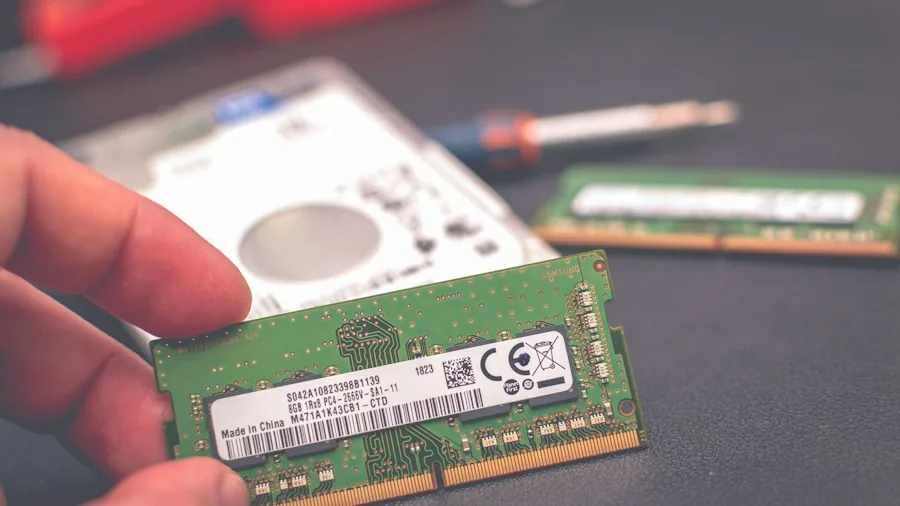
Manufacturers might have faced significant backlash for reducing RAM a year ago, but Microsoft’s latest Windows 11 update provides cover for such moves. In late 2026, Microsoft released Windows 11 26H2, an update packed with memory optimization features specifically designed to help PCs running on 8GB of RAM perform better.
According to Microsoft’s internal evaluation data, Windows 11 26H2 makes the operating system up to 20 percent more responsive on 8GB machines and can boost multitasking performance by as much as 40 percent compared to earlier versions. These improvements matter because 16GB had effectively become the minimum standard across the industry to ensure smooth everyday performance.
It’s worth noting that Microsoft actually raised its official memory recommendation to 32GB earlier in 2026, then quietly walked that back when it became clear that memory costs were spiraling. The new update represents a compromise: devices with less RAM can now deliver more acceptable performance.
The Reality Check: Lab Results vs. Real-World Use
Microsoft itself acknowledges that those performance improvement numbers come from controlled laboratory evaluations, not typical consumer usage patterns. In real-world scenarios, the actual gains may be more modest. Additionally, Microsoft confirms that systems with 16GB or 32GB of RAM still maintain clear advantages for gaming and demanding multitasking, even with the new optimizations in place.
What this means is that an 8GB machine will likely handle everyday tasks like web browsing, email, and document editing smoothly enough. However, users who frequently run multiple applications simultaneously, work with large files, or play graphics-intensive games may notice performance differences compared to systems with more memory.
What Shoppers Should Expect

Asus plans to implement these memory reductions following the Windows 11 26H2 update rollout, targeting entry-level and mid-range machines specifically. This suggests budget-conscious buyers might notice specification changes in the coming months, particularly for laptops under $500 or desktops in the affordable category. For a side by side comparison of storage solutions that could help compensate for lower RAM allocations, resources examining portable SSD options for performance enhancement and external backup storage solutions can be valuable planning tools.
Higher-end systems, particularly gaming laptops and workstation-class machines, are unlikely to see significant changes. Manufacturers understand that professional users and gamers demand adequate memory and will continue to offer 16GB and higher configurations in those segments.
The Bigger Picture for Consumers
This shift reflects broader trends in the tech industry. When component costs rise substantially, manufacturers must choose between absorbing losses, raising prices significantly, or adjusting specifications. For many consumers, a machine with 8GB of RAM running optimized Windows 11 software represents acceptable value, especially if it means keeping the price of an affordable laptop stable.
However, users who keep their computers for five to seven years should consider whether 8GB will feel sufficient by the end of that lifespan. Software demands typically increase over time, and what feels acceptable today may become frustrating in a few years. If you’re buying a system primarily for multitasking or demanding applications, spending more for 16GB might save you from frustration down the road.
Memory price volatility has historically been cyclical. Current high prices may eventually stabilize or decline, potentially making future upgrades more affordable for those who need them. In the meantime, understanding how these specification changes affect your computing needs helps you make smarter purchasing decisions in this shifting market landscape.
About the author
Ava is REMOVU's laptop writer, balancing speed, battery life, and build quality against price across the whole range. She helps readers find the sweet spot as each new chip shifts what a dollar buys.