Brain Control Gaming Now Possible Without Surgery What Xbox Shoppers Should Know
Brain control technology lets gamers play using only thoughts and eye movement, no surgery required.
 By Serenity Richards
Updated November 24, 2026

A groundbreaking development in gaming input technology shows that players can now control Xbox games using only their mind and eye movements, without requiring invasive surgical procedures. Tech creator Perri Karyal recently demonstrated this capability by playing Grand Theft Auto VI using a wireless electroencephalogram (EEG) device that reads brain signals and translates them into Xbox controller commands.
How the Brain Controlled Gaming Setup Works
The system combines three distinct input methods to deliver a fully functional gaming experience. An EEG headset detects electrical activity across the brain and recognizes specific thought patterns that the user has trained the software to identify. For example, Karyal programmed the device to register the mental act of pushing a cube forward as a button press, imagining anger as a vehicle interaction command, and visualizing a hopping cricket as a jump action. Eye tracking handles directional control, while gyroscope sensors built into the headset manage camera movement.
Unlike invasive brain computer interfaces that require surgical implantation, this wireless approach uses non-invasive technology that anyone can wear like a standard gaming headset. The setup maps mental commands to standard Xbox controller buttons, making it compatible with existing games without requiring special development or reconfiguration.
What This Means for Gaming Access
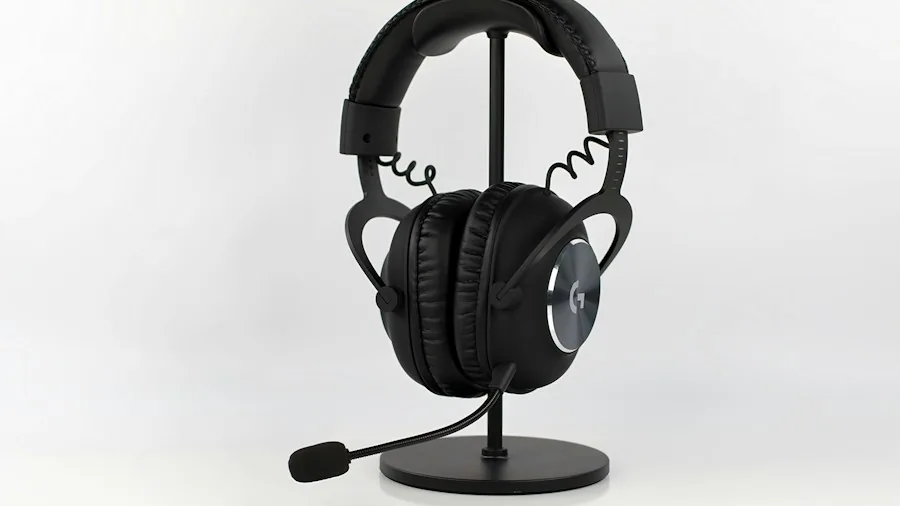
The implications of this technology extend far beyond novelty gaming demonstrations. Individuals with limited mobility or physical disabilities could potentially regain a form of gaming independence that was previously unavailable to them. Game consoles have long been designed around traditional controller input, which excludes players with certain physical limitations. Mind controlled input opens possibilities for a broader audience to enjoy gaming experiences.
Karyal’s achievement also demonstrates that accessible gaming technology does not necessarily require extreme medical interventions. While other companies have pursued surgical brain implant solutions that deliver impressive results, the wireless EEG approach offers a less invasive alternative that consumers could potentially access today.
The Challenges of Mental Input Gaming
Operating the system demands significant mental focus and training. Each brain command must be deliberately practiced and learned by the software before it functions reliably during gameplay. Karyal noted that people frequently underestimate how difficult the process actually is, describing the intensity of concentration required, particularly during complex sequences like stealing and piloting an aircraft in the game.
The physical demands also matter. Extended sessions can cause headaches due to the headset applying pressure around the head during prolonged use. Additionally, the volume of detectable brain activity spikes during stressful gaming moments, requiring the user to manage and direct multiple simultaneous neural patterns while maintaining game performance.
Despite these challenges, the fact that someone outside a major medical or aerospace company successfully implemented this technology indicates that the barrier to entry has lowered considerably. This suggests that more refined consumer versions could emerge in coming years as the underlying technology improves.
How This Compares to Existing Brain Interface Solutions
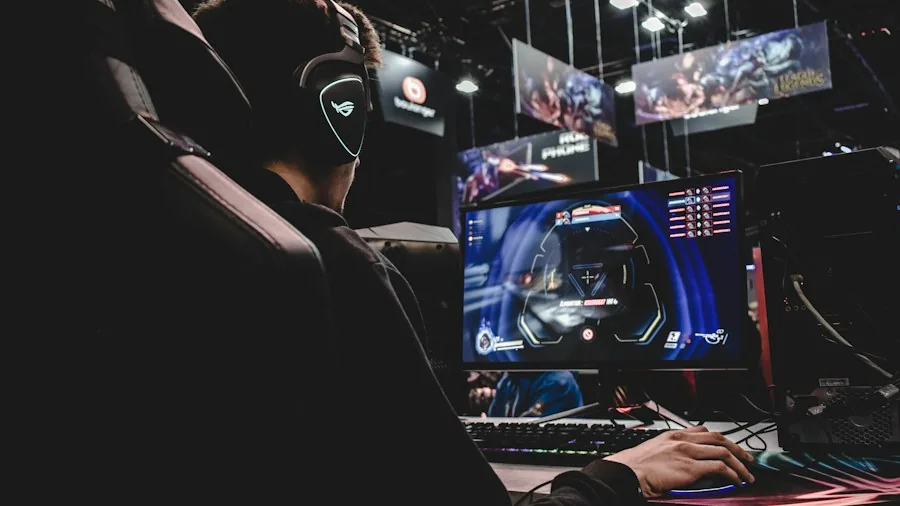
Several organizations have explored brain controlled gaming, most notably through invasive surgical implants. Those solutions have demonstrated impressive capabilities in complex games like strategy titles and competitive shooters. However, they require neurosurgery and remain in trial or limited deployment phases, making them inaccessible to the general public.
The wireless EEG approach sacrifices some performance precision compared to surgical implants but gains significant advantages in accessibility and safety. No surgery means no medical risks, no recovery period, and no permanent alterations to the user’s body. The technology can be removed immediately if needed.
What Shoppers Should Consider
For mainstream Xbox and gaming console buyers, this breakthrough signals an emerging category of specialized input devices. The best external SSDs for Xbox consoles and other accessories are becoming more specialized, and brain controlled input may follow a similar trajectory toward mainstream availability.
While consumer versions of wireless EEG gaming controllers remain unavailable through standard retail channels, the successful demonstration suggests development timelines are accelerating. Early adopters interested in this technology should monitor announcements from both established gaming peripheral manufacturers and emerging startups focused on accessibility tech.
For players with disabilities or mobility constraints, this represents genuine hope that future gaming options will expand beyond traditional controller designs. The best racing wheels for Xbox represent how specialized controllers already serve niche audiences, and brain interface technology could eventually claim similar shelf space.
As these systems mature and manufacturing scales up, the cost and complexity of entry will likely decrease. The fact that an independent creator has already achieved reliable brain controlled gaming suggests that consumer products are probably closer than most people realize.
About the author
Serenity covers home game consoles for REMOVU, weighing performance, exclusive libraries, and the ecosystem each platform locks you into. She helps players pick the console that fits how and what they play.