Modern Graphics Card Support Comes to Windows 7 Through Community Project
Enthusiasts have unlocked Windows 7 compatibility with the latest graphics cards from Nvidia, AMD, and Intel.
 By Katrina Dean
Updated November 22, 2026

Windows 7 may have officially reached the end of its life cycle, but a dedicated group of enthusiasts has just breathed new life into the aging operating system. A newly launched community project is now enabling Windows 7 to work seamlessly with the latest graphics card hardware from Nvidia, AMD, and Intel, while also adding support for modern graphics APIs like DirectX 12 and Vulkan 1.4. For shoppers and PC enthusiasts who continue to rely on Windows 7 or maintain legacy systems, this development could extend the viability of their existing setups significantly.
What This Project Accomplishes
Developed by enthusiasts known as EAZY BLACK, kryptik, and VisualEhrmanntraut, the initiative focuses on backporting WDDM 2.2 (Windows Display Driver Model 2.2) from Windows 10 to Windows 7. This is a substantial technical achievement because Windows 7 originally shipped with WDDM 1.1, and Microsoft never officially updated it beyond that version. The backport essentially gives Windows 7 access to driver architecture that Microsoft reserved for newer operating systems.
The project currently supports an impressive range of graphics cards. Users can now run Nvidia’s RTX 40 and RTX 50 series GPUs, AMD’s Radeon RX 7000 and RX 9000 series cards, and select Intel Arc graphics cards on Windows 7. Screenshots from project developers confirm that GPUs are properly recognized by the operating system and third-party GPU monitoring software. Additionally, advanced features such as ray tracing and DLSS are reported to function on compatible hardware configurations, though actual performance and feature availability may vary depending on the specific graphics card, driver implementation, and software application.
What This Means for Shoppers
For consumers considering a graphics card upgrade but worried about compatibility with Windows 7, this project removes a significant barrier. If you are shopping for a graphics card and want to maintain your existing Windows 7 installation, options like graphics cards under $500 from recent product generations are now technically viable. Previously, newer graphics cards were essentially incompatible with Windows 7 at the driver level, forcing users into difficult choices between upgrading their operating system or remaining limited to older hardware.
The development also has implications for anyone planning to extend the lifespan of their current PC. Rather than investing in an entirely new system to access modern gaming performance or professional graphics capabilities, Windows 7 users can now upgrade just the graphics card while keeping their existing OS. This can be a cost-effective approach for budget conscious shoppers who want to access newer features without replacing multiple system components.
Compatibility and Performance Considerations
It is important to note that while the project enables support for modern graphics cards, actual feature support depends on multiple factors. The specific graphics card model, how drivers implement features, and what applications you are running all play a role in determining which capabilities will actually work. Older graphics cards, including Nvidia’s RTX 30 series and AMD’s Radeon RX 6000 series, may also benefit from the project, though these were technically designed for newer Windows versions.
The community has also made the project more powerful by allowing it to work alongside VxKex, a compatibility layer that enables newer Windows applications to run on Windows 7. This combination means users could theoretically run modern software and applications on their legacy operating system, further extending its practical utility for certain workflows.
Why Windows 7 Still Matters
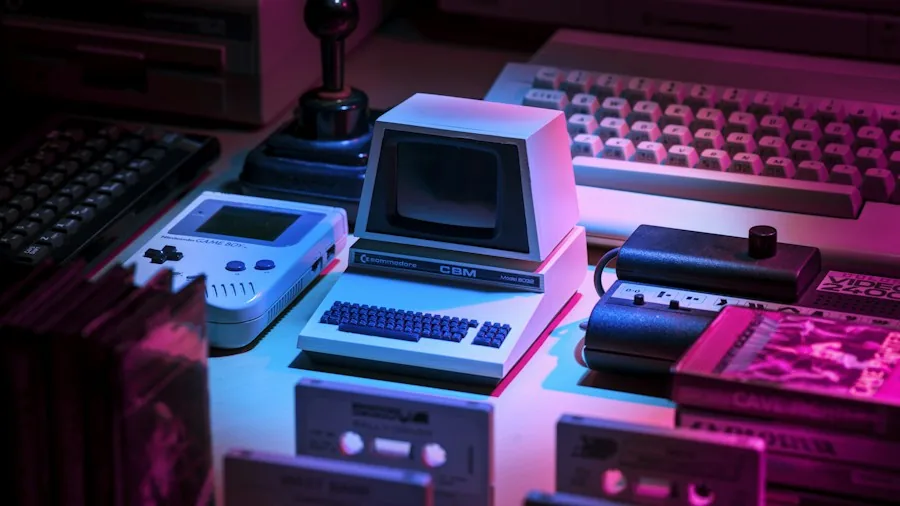
Windows 7 launched in 2009 as a successor to the widely disliked Windows Vista. It quickly became one of Microsoft’s most popular operating systems thanks to its intuitive interface, reliable performance, and straightforward user experience. Many PC enthusiasts and everyday users continued to prefer Windows 7 long after Windows 10 became available. The operating system maintains a devoted following even today, nearly two decades after its release.
Recent comparisons between Windows 7 and modern versions have shown that the older OS can still deliver competitive performance in certain scenarios, particularly in CPU-limited gaming situations. This suggests that for specific use cases, Windows 7 remains a viable choice if users can overcome the hardware compatibility challenges that have typically plagued it in recent years.
Getting Started
Users interested in this project can access the modified drivers and project files through the W7Revived website. For shoppers looking to build or upgrade a Windows 7 system with graphics cards under $300, this breakthrough makes those purchasing decisions much more practical than they were before. The project represents a significant community effort to keep older but still capable systems relevant in an era increasingly dominated by newer operating systems and hardware.
About the author
Katrina covers graphics cards for REMOVU, tracking gaming performance, features, and value as prices shift with every launch. She helps builders find the right GPU for their resolution and budget.