Google Smartwatch GPS Update Extends Battery Life During Workouts
New feature lets smartwatches borrow smartphone GPS to save battery during long workouts.
 By Kristen Jennings
Updated November 17, 2026

Google is rolling out a significant battery-saving feature for Wear OS smartwatches that could reshape how fitness enthusiasts approach outdoor activity tracking. Starting with Google Play Services version 26.45, users can now leverage their smartphone’s satellite positioning capabilities to handle GPS tracking during workouts, allowing the smartwatch to conserve power for longer usage periods.
How the New GPS Sharing Feature Works
The technology relies on GNSS systems, which encompass multiple satellite positioning networks including GPS, Galileo, GLONASS, and NavIC. Rather than forcing the watch’s onboard hardware to manage continuous location tracking during long runs, hikes, or cycling sessions, the feature delegates this responsibility to the paired smartphone. Since smartphones contain significantly larger battery reserves than wearables, they can sustain extended GPS tracking without draining as rapidly.
Google confirmed the feature operates when the phone remains outside Battery Saver mode, though a comprehensive compatibility list for specific smartwatch models has not yet been published. The company is rolling out this update alongside other improvements in cross-device functionality and storage management.
The Trade-Off and Real-World Impact
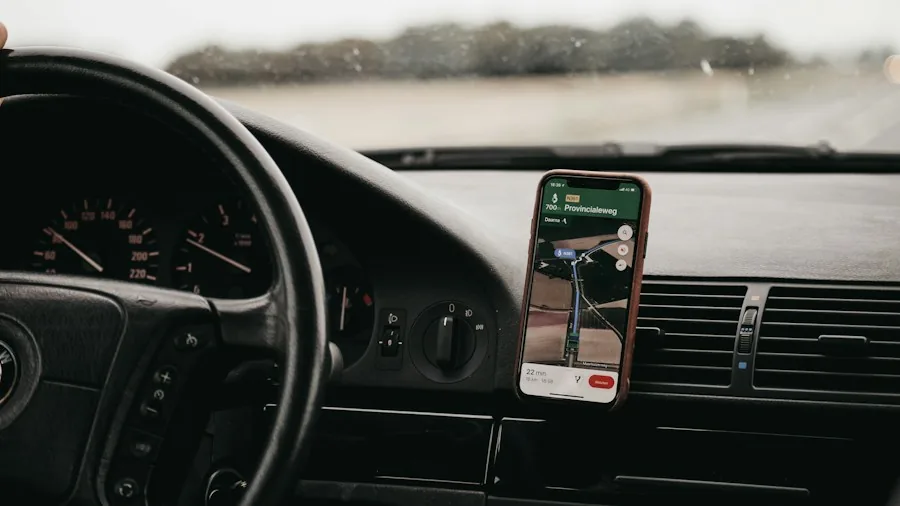
The obvious requirement is that users must carry their smartphone during outdoor workouts to utilize this capability. Additionally, the phone itself will expend some battery power managing the positioning task. However, the trade-off appears worthwhile for most fitness-focused consumers. A typical smartphone battery substantially exceeds a smartwatch battery in capacity, making it far more capable of handling continuous location services without significant degradation in overall performance.
This approach mirrors technology already available on certain fitness trackers through comparable features, though Google’s implementation brings the functionality to the broader Wear OS ecosystem. Smartwatches under $200 and premium models alike could benefit from extended battery endurance during activity sessions.
What This Means for Smartwatch Owners
For individuals who regularly engage in extended outdoor workouts, this update addresses a persistent frustration: watches depleting battery reserves before activity completion. A fitness wearable that powers down midway through a lengthy run provides limited utility, rendering the activity data incomplete and defeating the purpose of continuous monitoring.
The GPS delegation feature transforms the user experience by ensuring tracking capability persists throughout extended sessions. Athletes pursuing multi-hour expeditions, weekend hikers, and distance runners no longer face the anxiety of losing location records due to power constraints.
Adoption rates and actual battery improvements will depend on manufacturer implementation and device compatibility. Not all Wear OS watches may support the feature, particularly older models or those from manufacturers hesitant to integrate Google’s latest services. The company has not disclosed which watch brands and specific models will receive this capability through future software updates.
Broader Implications for Wearable Design
This development suggests a philosophical shift in smartwatch architecture. Rather than designing watches with increasingly powerful GPS chipsets and larger batteries, manufacturers might prioritize integration with companion smartphones as a primary positioning strategy. This approach could enable slimmer designs and lighter weight, addressing common complaints about watch comfort during extended wear.
The timing of this rollout in November 2026 positions it alongside other Wear OS enhancements that have expanded smartwatch functionality. As the platform matures, cloud-based and phone-delegated features increasingly complement onboard processing capabilities.
Smartwatches designed for swimming and other specialized activities could also benefit from this architecture, as it frees up power allocation for water resistance technology and health monitoring sensors.
Considerations Before Upgrading
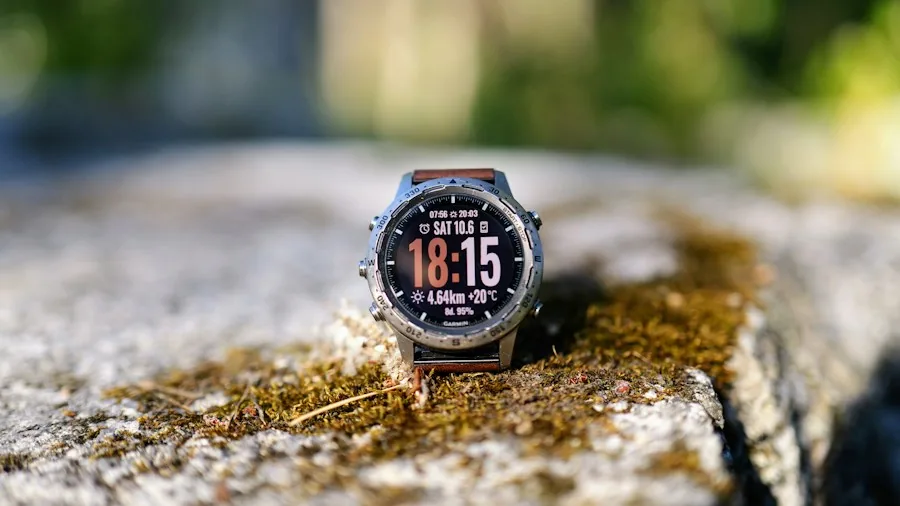
Consumers currently satisfied with their watch’s battery performance may not need to prioritize devices with this feature. However, those frequently tracking activities exceeding two hours should evaluate future Wear OS releases and manufacturer support announcements. The compatibility roadmap will determine whether your current device or next purchase qualifies for this capability.
Users in environments where they typically leave their phone behind during outdoor activities should recognize this feature won’t address their battery concerns. The feature works best for individuals who already maintain smartphone proximity during fitness activities.
Looking Forward
Google’s GPS delegation represents pragmatic engineering that acknowledges the reality of modern mobile use patterns. Most people carrying a smartwatch already carry a smartphone, and leveraging that device’s existing hardware reduces watch complexity and cost while improving battery longevity.
As Wear OS continues evolving, expect additional features that embrace this smartphone-smartwatch partnership model. Future updates may further optimize how these devices share computational loads, expanding the benefits beyond location tracking to encompass other power-intensive functions. The smartwatch continues transforming from an independent device toward a specialized extension of the smartphone ecosystem, with practical advantages for everyday users.
About the author
Kristen writes about smartwatches for REMOVU, comparing features, battery life, and ecosystem fit. She helps readers tie together health tracking, notifications, and apps on the right watch.