Nvidia GeForce RTX 5090 Returns to Newegg with 21 Models: What Buyers Should Know About Current Pricing
Nvidia's flagship RTX 5090 is back at Newegg with 21 models, but expect to pay three times MSRP.
 By Katrina Dean
Updated November 15, 2026
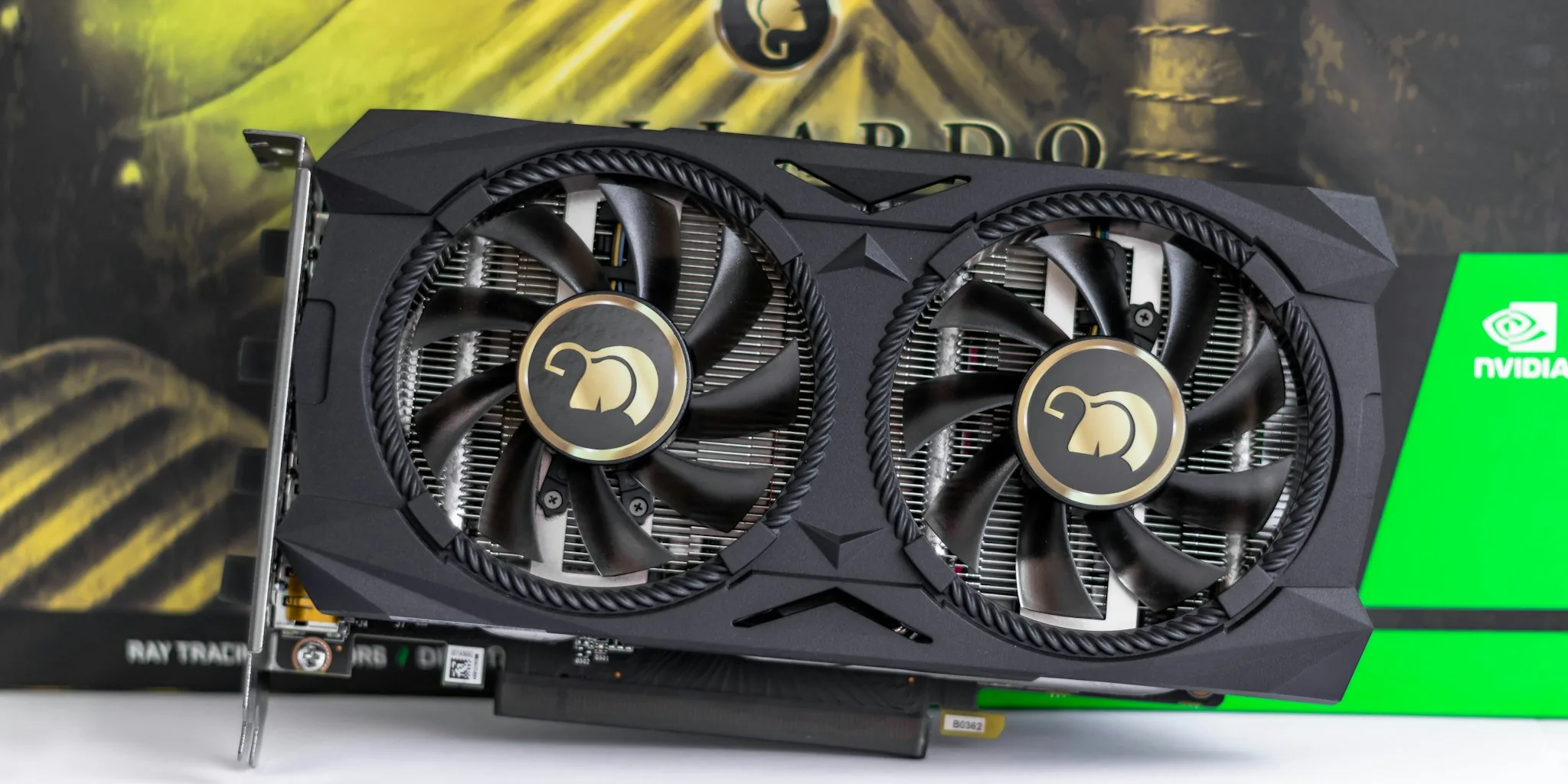
RTX 5090 Stock Resurfaces at Major Retailer After Supply Concerns
After weeks of uncertainty about whether Nvidia’s flagship GeForce RTX 5090 graphics cards would remain available through mainstream retail channels, major U.S. electronics retailers are now showing substantial inventory. Newegg currently lists 21 different RTX 5090 models from manufacturers including Gigabyte, Asus, MSI, and Zotac, with 11 of those units shipped directly from Newegg itself rather than third-party marketplace sellers. This represents a significant shift from earlier reports suggesting the card might be withdrawn from consumer retail altogether.
The return of stock comes as welcome news to consumers who have been watching this market closely. Just a month ago, speculation about potential retail withdrawal sparked dramatic price increases, with reports of RTX 5090 units selling for $10,000 and beyond. The reappearance of inventory at an established retailer offers buyers a more reliable purchasing path compared to acquiring cards from unknown resellers or secondary markets.
Understanding the Current Price Reality

While availability has improved, pricing remains substantially elevated above the graphics card’s official suggested retail price of $1,999. The most competitively priced models on Newegg start at $6,599, which is roughly three times the MSRP. These lowest-priced options include specialized configurations like water-cooled variants and cards bundled within external GPU enclosures, which may not suit every buyer’s setup or needs.
For buyers seeking a standard air-cooled graphics card, the entry point is higher. An air-cooled Aorus RTX 5090 Master model carries a price tag of at least $6,659. However, some of these cards come bundled with a full-sized X870 motherboard that carries a separate retail value around $319, which can offset the overall system cost for builders planning a complete platform upgrade.
Premium Models Command Even Higher Prices
For consumers willing to spend significantly more, the pricing ladder extends into extreme territory. The most expensive unit currently available is the Asus ROG Astral GeForce RTX 5090 Edition 20, priced at $11,896. While this represents an outlier, numerous models from Asus, MSI, and Zotac hover near the $10,000 mark. Even refurbished Nvidia Founders Edition units are priced at $8,899, underscoring how far current market pricing has diverged from launch recommendations.
Despite these costs, buying from an established retailer like Newegg offers distinct advantages over alternative channels. Customers gain access to buyer protection, return policies, and expedited shipping options that informal market channels cannot provide. The retailer maintains a one-unit-per-customer purchase limit, which helps prevent bulk hoarding and scalping activities.
What This Means for Your Purchase Decision
Consumers evaluating whether to purchase an RTX 5090 at current prices face a significant financial commitment. The premium pricing reflects persistent demand, limited supply relative to that demand, and the absence of competing products in this performance tier. Graphics cards under $500 offer vastly different value propositions, while the RTX 5090 targets professionals and enthusiasts where cost is secondary to maximum performance.
The fundamental question for potential buyers centers on necessity versus preference. Content creators, AI researchers, and professional engineers working with compute-intensive applications may justify the cost based on workflow acceleration and productivity gains. Gaming enthusiasts, while certainly capable of utilizing the card’s performance, might find the cost-to-gaming-benefit ratio less compelling at triple MSRP.
Looking Forward: Will Prices Normalize
Industry observers hope that continued stock availability will gradually normalize pricing over time. When supply remains severely constrained, retailers and sellers have minimal incentive to reduce prices. As inventory continues flowing into mainstream retail channels, competitive pressure between sellers should theoretically drive prices downward. However, actual price normalization depends on whether supply increases faster than demand, a balance that remains uncertain given the card’s premium positioning and the limited number of units Nvidia produces each month.
Buyers should monitor inventory trends across multiple retailers and track whether prices begin shifting downward as weeks progress. Those planning to build or upgrade a system with high-performance graphics components might consider waiting to see if market conditions improve, or alternatively, commit to the current prices if immediate access to the RTX 5090’s performance is critical for their work.
The reappearance of the RTX 5090 at Newegg represents meaningful progress toward a more stable market. Consumers now have the option to purchase from a reputable source with delivery guarantees and customer service support, rather than navigating uncertain secondary markets. As additional inventory reaches retail channels, the focus shifts to whether volume increases will be sufficient to meaningfully reduce the current premium pricing structure that has defined this product’s market availability since launch.
About the author
Katrina covers graphics cards for REMOVU, tracking gaming performance, features, and value as prices shift with every launch. She helps builders find the right GPU for their resolution and budget.