Battery Powered Video Doorbell Tradeoffs: What Shoppers Need to Know Before Buying
Battery-powered doorbells skip installation but come with real limitations on recording, response time, and features.
 By Hannah Mitchell
Updated November 14, 2026

Battery-powered video doorbells have transformed home security for renters and homeowners who want to avoid complex wiring installations. Unlike their hardwired counterparts, these devices offer flexibility and convenience, but they come with meaningful performance compromises that deserve careful consideration before making a purchase.
The Battery Reality Check
The most obvious difference with a battery-powered video doorbell is the rechargeable power source itself. Instead of drawing continuous electricity from your home’s electrical system, these devices rely on an internal battery that powers all operations. While this eliminates installation hassles, it introduces a maintenance responsibility you cannot ignore.
Most battery-powered models deliver between two to four weeks of operation before requiring a recharge. The exact duration depends heavily on how actively you use the doorbell. When inactive, the device enters a low-power sleep mode to conserve energy. The moment it begins recording or activating features like two-way audio communication, power consumption jumps significantly. Frequent daily use, particularly in busy areas with regular visitor activity, will drain the battery faster than expected.
Environmental conditions also matter more than you might think. Extreme heat during summer months or freezing temperatures in winter can accelerate battery drain. If you live in a climate with intense seasonal swings, plan for more frequent charging cycles during peak weather periods.
The Notification Problem
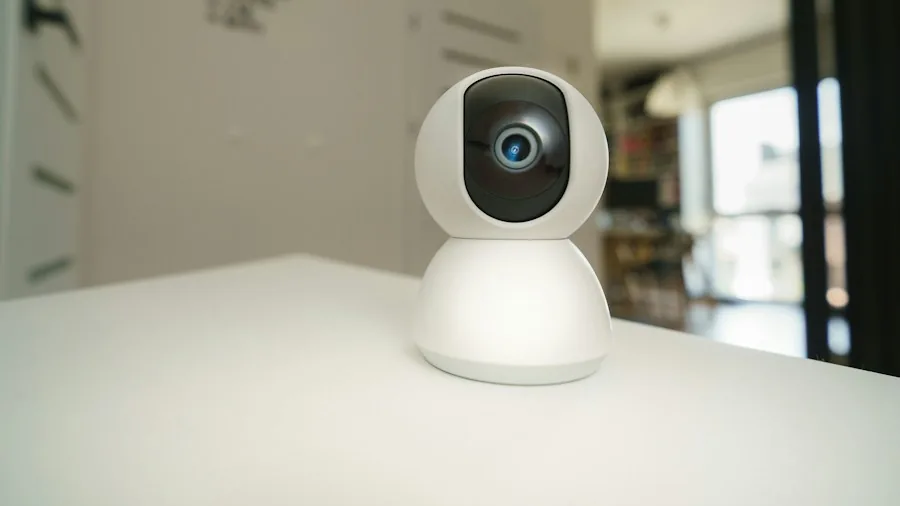
Many battery-powered models send push notifications when power drops to critical levels, which sounds helpful but often becomes irritating in practice. You might receive alerts at inconvenient times, forcing you to attend to the battery sooner than desired. More problematically, the doorbell stops functioning entirely while charging, and depending on the model, recharging can take several hours. During this window, you have no surveillance coverage at your front entrance.
Recording Limitations That Matter
This is where battery-powered video doorbells differ most significantly from wired options. Continuous 24/7 recording would drain a battery within hours, so manufacturers have engineered around this limitation. Most models use event-based recording instead, meaning the camera activates only when the motion sensor detects movement or someone rings the chime.
For homeowners primarily concerned with capturing footage when visitors arrive or animals roam the yard, event-based recording provides adequate coverage. However, if you wanted comprehensive surveillance documentation throughout the day and night, you will not achieve that with a single battery-powered doorbell. Achieving true round-the-clock monitoring would require supplementing the doorbell with additional dedicated security cameras positioned around your property.
Response Time Delays
Battery-powered devices must wake from sleep mode before responding to activity, and that wake-up process consumes extra power. Similar to how a smartphone takes a moment longer to respond when battery is critically low, your doorbell may experience slight response delays. When your battery is depleted or aging, this lag becomes more pronounced.
The practical consequence is concerning: if a motion event triggers the camera, that delay might cause the device to miss the initial action entirely. A person could appear and leave before the camera fully activates and begins recording. Hardwired doorbells avoid this problem completely because they remain constantly powered and never enter sleep mode, allowing instantaneous response to motion.
Feature Degradation
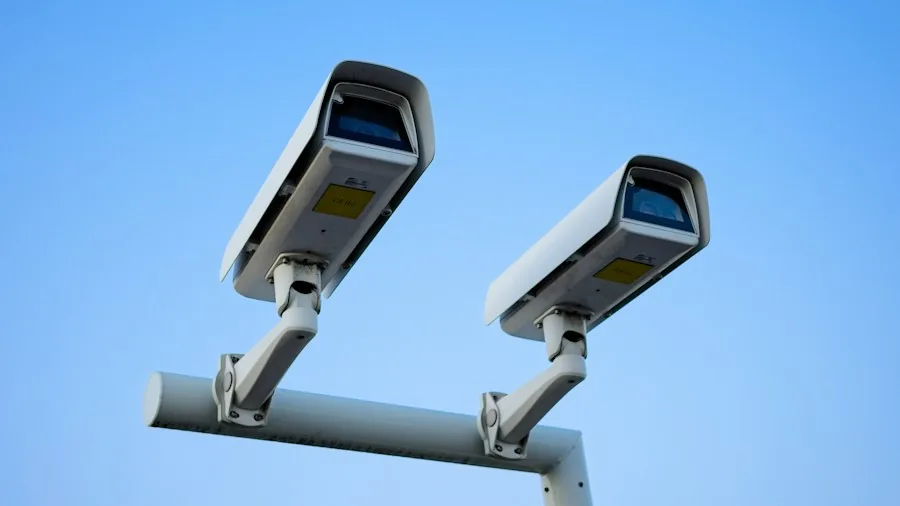
Many video doorbells worth buying advertise advanced features like facial recognition across both battery and wired models. However, the power constraints of battery operation mean these features often function less effectively on wireless units. Battery-powered models lack the available power to run sophisticated recognition algorithms and supplementary software that wired versions can support.
Real-world user reports document cases where facial recognition failed to capture any usable images despite being an advertised feature. Footage often shows only people departing rather than arriving, essentially missing the window when facial details would be clearest. If advanced features are central to your security strategy, research actual performance reports carefully rather than assuming battery and wired models perform identically.
Who Benefits Most
Battery-powered video doorbells make genuine sense for renters who cannot modify electrical systems, apartment dwellers with structural limitations, and homeowners uncomfortable with electrical work. They also work well for properties where traditional installation poses challenges. The trade-off between installation simplicity and performance limitations is reasonable when you prioritize flexibility.
Conversely, if you want comprehensive surveillance, rapid response capture, continuous recording, or advanced feature reliability, a hardwired system typically delivers better results. Understanding these distinctions before purchasing ensures your choice aligns with your actual security needs rather than convenience features alone.
About the author
Hannah writes about video doorbells for REMOVU, comparing video quality, smart alerts, and subscription value. She helps readers keep an eye on the porch without overpaying for storage.