Affordable Forearm Trackpad Technology for Smartwatches What Shoppers Should Know
University researchers unveil radar system that lets your forearm control smartwatches like a laptop trackpad.
 By Kristen Jennings
Updated November 11, 2026
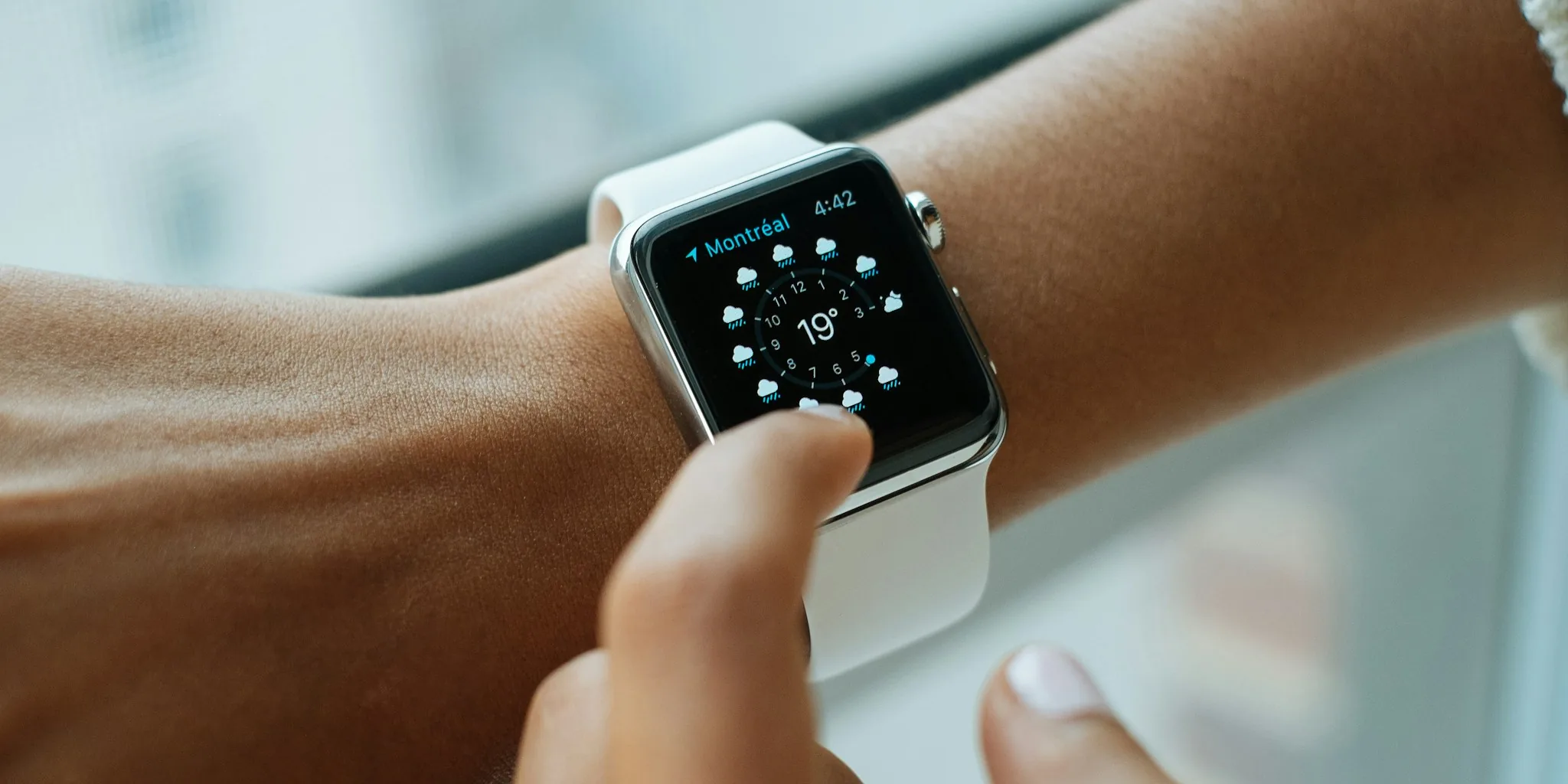
A major breakthrough in smartwatch input technology could soon change how you interact with your wearable device. Researchers at North Carolina State University have developed a radar-based system called EpiPad that transforms your forearm into a pressure-sensing trackpad, offering an entirely new way to control smartwatches without relying solely on small touchscreens or voice commands.
How EpiPad Technology Works
The innovation uses millimeter-wave radar housed in a compact sensor array roughly the size of a postage stamp to detect subtle changes on your skin’s surface. When you touch your forearm, the radar recognizes the tiny indentations your fingertips create when you press down. The system goes beyond simple touch detection by also recognizing multi-finger gestures and measuring how much force you apply, allowing different functions to be assigned to different pressure levels.
The research team designed EpiPad to function like a traditional laptop trackpad but worn on your wrist. Unlike previous attempts to add input capabilities to smartwatches through basic finger gestures or apps, this radar approach provides genuine tactile control over your device. The prototype includes a sensor array that can track both finger movement and force input with impressive accuracy after a brief calibration period.
Cost and Accessibility for Consumers
One of the most compelling aspects of this innovation is its affordability. The team estimates that the components needed to power the radar system could cost less than $10 to manufacture. This suggests that smartwatch manufacturers could integrate this technology into future models without significantly raising prices. As hardware innovations typically shrink and become more efficient during the transition from prototype to mass production, costs could decrease even further.
The practical implications are substantial. If companies like Apple or Google decide to incorporate EpiPad technology into their devices, consumers could gain powerful new control options without paying premium prices. Currently, smartwatches under $200 offer limited input methods, so this technology could democratize advanced interaction capabilities across the entire market.
Performance and Accuracy Details
The researchers evaluated EpiPad’s performance across three key areas: gesture recognition, force detection, and finger tracking. Results showed that with skin-tight clothing like fitted sleeves, gesture recognition accuracy reached 88.4 percent while force recognition hit 89.9 percent. Accuracy drops when wearing loose garments like jackets, declining to 72.3 percent for gestures and 63.2 percent for force detection. This difference occurs because snug clothing moves with your skin, reducing interference, while loose clothing creates gaps between fabric and skin.
Initial accuracy without calibration sits at 56.7 percent, but after a single calibration session lasting under four minutes, gesture recognition jumps to 92.8 percent. This calibration process is similar to personalizing motion sensors in other devices and significantly improves the user experience once completed.
Response time presents another consideration. Gesture input latency measures around 90 milliseconds, which aligns with commercial touchpad standards. Force detection latency runs approximately 470 milliseconds, or half a second, which users should find acceptable for most applications.
Design Considerations and Future Integration
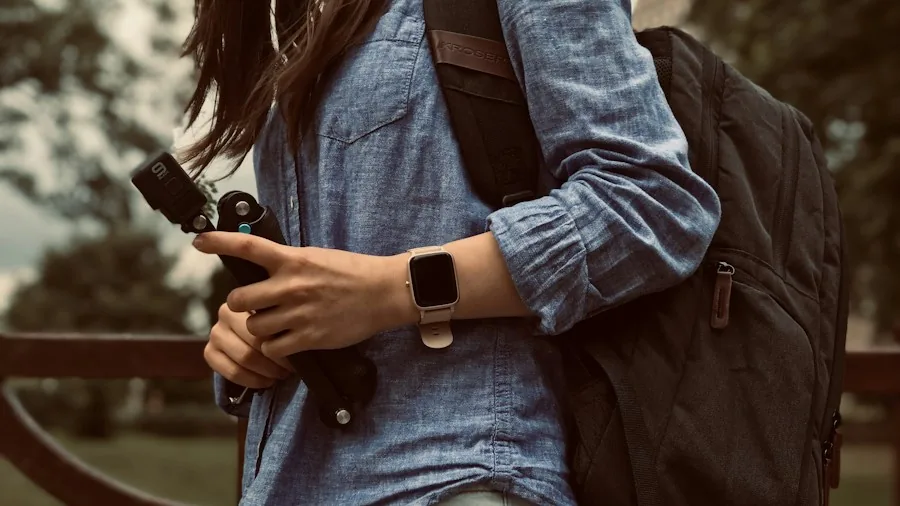
The current prototype positions the sensor 14 millimeters above the skin, sized to fit bulkier smartwatches like the Apple Watch Ultra. This thickness works adequately for thicker devices but would require engineering adjustments for slimmer smartwatch designs. Researchers suggest that custom designs featuring multiple radar transmitters could solve this limitation, potentially allowing the technology to work with any smartwatch form factor.
The compact antenna design could integrate directly into a smartwatch bezel, meaning the technology could blend seamlessly into existing device designs rather than creating awkward protruding components. This integration approach makes widespread adoption more feasible from both engineering and aesthetic perspectives.
One significant advantage is power consumption. The radar module draws substantially less power than typical smartwatch displays, so adding this technology shouldn’t meaningfully reduce battery life. This efficiency makes EpiPad particularly attractive for wearable manufacturers concerned about maintaining multi-day battery performance.
What This Means for Shoppers
Looking ahead, this research opens possibilities that extend beyond traditional smartwatches. The technology could eventually enhance smartglasses, solving a major interaction challenge for that emerging category. As manufacturers begin evaluating how to incorporate pressure-sensing forearm input, consumers should expect to see this feature appearing in premium and mid-range devices within the next few years.
The convergence of affordability, accuracy, and power efficiency suggests this technology has genuine commercial potential. Rather than waiting months for calibration or dealing with frustrating accuracy issues, users would enjoy reliable control similar to what they experience with laptop trackpads. For anyone frustrated by the limitations of current smartwatch interfaces, this breakthrough represents meaningful progress toward more intuitive wearable interaction.
When EpiPad or similar technologies start appearing in smartwatches you can actually buy, the way you navigate apps, scroll through information, and control your device could transform dramatically. What began as university research could soon become a standard feature that makes smartwatches significantly more practical for everyday use.
About the author
Kristen writes about smartwatches for REMOVU, comparing features, battery life, and ecosystem fit. She helps readers tie together health tracking, notifications, and apps on the right watch.