iPhone Prices on the Rise as Memory Costs Surge: What Shoppers Need to Know
Apple warns memory costs will keep climbing, pushing iPhone prices higher through 2027.
 By Eleanor Garcia
Updated November 3, 2026
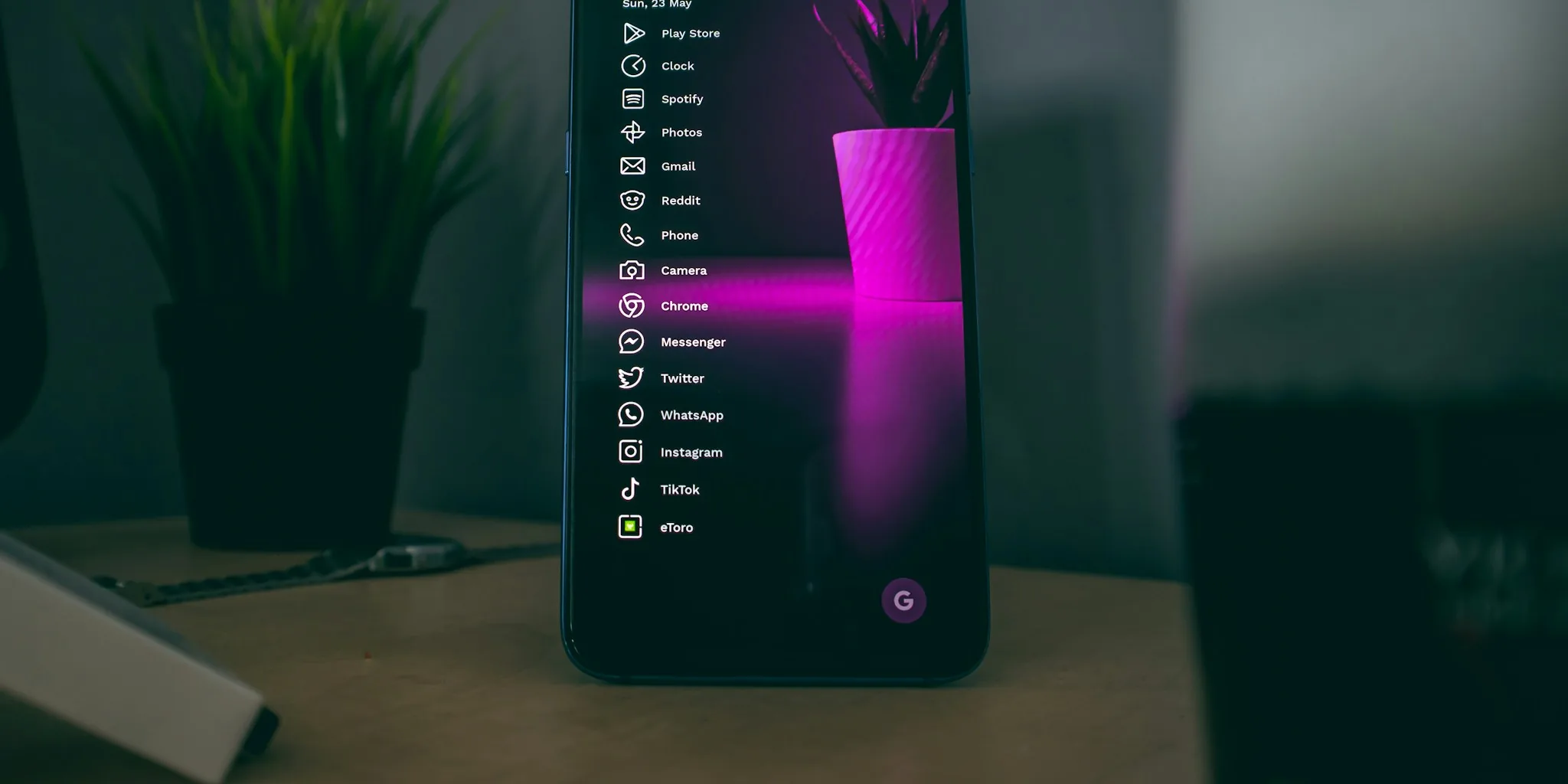
Apple has issued a stark warning that has direct implications for anyone planning to buy an iPhone or other Apple devices in the coming months. During a recent earnings call, company leadership revealed that memory chip prices are climbing at an unprecedented rate, and consumers should expect this to translate into even higher retail prices down the line.
Why Are iPhone Prices Going Up
The root cause is a supply and demand crisis in the semiconductor market. As artificial intelligence data centers expand globally, companies and enterprises are placing massive orders for memory chips, effectively outbidding consumer electronics manufacturers for available inventory. Apple, Samsung, and other major tech companies now compete against data center operators willing to pay premium prices for critical components.
This competition has driven component costs to record levels. According to Apple’s earnings disclosures, the company’s purchase commitments for parts jumped by 33 billion dollars between the June and September quarters alone. When you’re buying components at inflated market prices, that cost inevitably flows through to the final product you see on store shelves.
How Apple Has Responded So Far
Apple has already taken several steps to pass these costs to consumers. The company raised iPhone prices in September, bumping the iPhone 18 Pro to 1,199 dollars, a 100 dollar increase from the previous generation. iPad and MacBook prices also went up earlier in the year, with some models seeing increases of 150 to 300 dollars.
However, Apple has cushioned the immediate impact through a few tactics. The company is using older, higher-margin inventory from earlier production runs to offset some current expenses. Additionally, costs for certain non-memory components have decreased, providing modest relief. These measures have allowed the company to maintain its gross margin at between 45 and 46 percent, though that’s lower than historical norms.
For shoppers considering an iPhone or other smartphone, this creates a narrowing window. That buffer of cost offsets won’t last forever. Once inventory depletes and those savings dry up, another round of price increases becomes likely, potentially pushing premium models even further out of reach for average consumers.
What This Means for the December Quarter and Beyond

Apple’s leadership has made clear that memory pricing pressures will persist through the December quarter and into 2027. The company is preparing investors for continued margin pressure even as overall revenue remains strong, reaching 114.5 billion dollars with growth of 12 percent year over year.
The question now facing Apple is whether to absorb more of these costs internally, accepting lower profit margins, or pass additional expenses to consumers through higher prices. Given that iPhone revenue is driving most of the company’s growth, pushing prices too high risks reducing demand. On the other hand, allowing margins to compress significantly may not satisfy shareholders expecting consistent profitability.
What Shoppers Should Do Now
If you’ve been considering purchasing a new iPhone or other Apple device, timing matters more than usual. Current pricing reflects the first wave of cost increases, and waiting risks facing steeper prices in the spring or fall of 2027. While current prices are higher than they were two years ago, they likely represent a temporary equilibrium before the next adjustment.
Budget-conscious buyers should also explore alternatives. Other brands and wireless earbuds designed for iPhone users often deliver strong value without premium pricing. If you’re locked into the Apple ecosystem, now is the time to evaluate whether upgrading is truly necessary or if your current device can serve you for another year while you save for potentially higher future costs.
The semiconductor market’s current trajectory suggests that premium electronics will remain expensive for the foreseeable future. Memory costs are unlikely to decrease significantly while data center expansion continues. Apple’s public warning serves as notice that this is not a temporary blip but a structural shift in component pricing that will shape the consumer tech market for years to come.
For those considering an investment in Apple hardware, understanding these underlying cost pressures helps explain why prices have risen and prepares you for the likelihood of further increases. The days of affordable premium iPhones appear to be behind us, making today’s prices look reasonable compared to what may come next.
About the author
Eleanor covers smartphones for REMOVU, balancing cameras, battery life, and software support against price. She helps readers find the best value as the field shifts with every release.