GPU Supply Chain Crunch Forces Distributors to Pivot to Older Graphics Cards
Nvidia RTX 50 shortages have suppliers redirecting buyers to 2021 era graphics cards at inflated prices.
 By Katrina Dean
Updated November 3, 2026
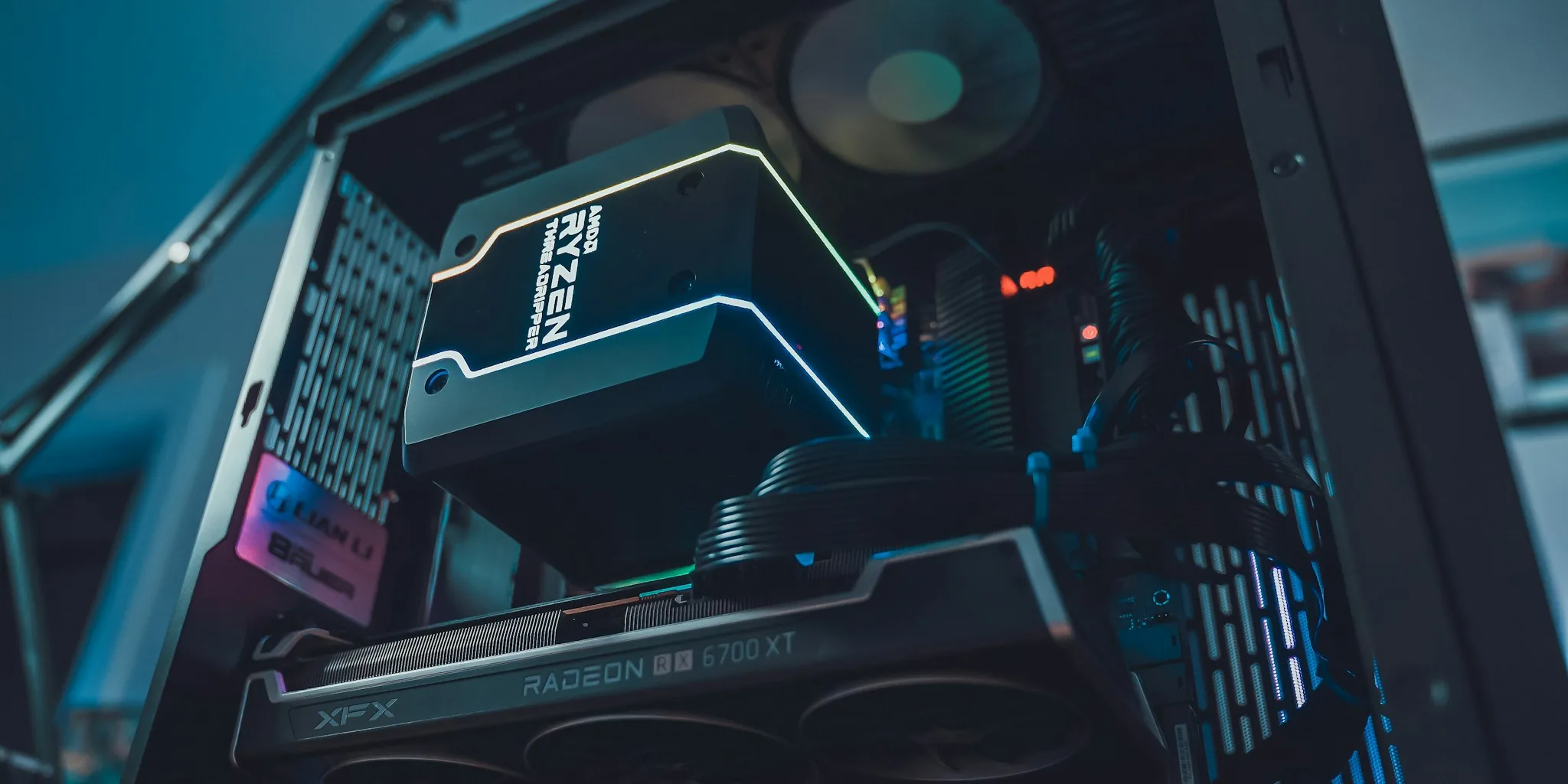
The graphics card supply chain is experiencing a significant disruption, with manufacturers in China reporting shortages of newer Nvidia GeForce RTX 50-series GPUs. Rather than leave retailers with empty shelves, board makers are now directing distributors toward older inventory from 2021 and 2022. For consumers shopping for graphics cards, this shift has immediate implications for pricing and availability.
What Happened in the GPU Market
Nearly two years after launch, the RTX 50-series should be readily available. Instead, some Chinese board manufacturers have exhausted their inventory, while others are shipping remaining stock in limited quantities at elevated prices. The response from these makers is clear: push older cards like the RTX 3060 and RTX 3050 to fill the distribution gap. A few AMD Radeon alternatives are also being marketed as replacements, though manufacturers are reportedly maintaining or even increasing prices on these legacy products rather than offering discounts.
The shortage stems from multiple pressures converging at once. Cryptocurrency miners are driving renewed demand, while China’s seasonal shopping surge is draining stock at accelerated rates. Earlier this year, Nvidia itself reduced production of the RTX 50 lineup amid a broader memory shortage related to artificial intelligence demand. These factors combined have created an unexpected bottleneck.
Price Implications for Shoppers
The impact on consumer wallets is already visible. The RTX 3060, which originally launched in 2021 at $329.99, briefly reappeared on retail shelves in July at that same price point. By August, however, the same MSI model had climbed to $479.99, representing a $150 increase in just one month. This pricing dynamic contradicts normal market behavior where older hardware should become cheaper as newer alternatives emerge.
What makes this situation particularly frustrating for buyers is that you could find newer cards at better value. During this same period, the newer and more powerful RTX 5050 was available for approximately $300 less than the inflated RTX 3060 price. Consumers considering a GPU upgrade need to carefully evaluate current pricing across multiple retailers, as older cards may no longer represent the value proposition they once did.
Steam Usage Data Reflects the Disruption
The supply chain issues are already showing up in real-world hardware statistics. Nvidia’s RTX 3060 reclaimed the top position in Valve’s October Steam Hardware Survey, appearing in 3.62% of surveyed gaming systems compared to the RTX 5070 at 3.56%. This marks a reversal from September, when the newer RTX 5070 held the leading spot.
However, industry analysts caution against reading too much into this shift. Hardware research firms traced the swing to changes in survey respondent geography rather than actual consumer purchasing behavior. When a higher percentage of Chinese respondents participate in the survey, older midrange cards popular in that region rank higher. The fluctuation reflects survey methodology rather than a sudden wave of gamers downgrading to older technology.
What This Means for Your Shopping Decisions
If you are in the market for a graphics card, several lessons emerge from this supply chain disruption. First, compare prices aggressively across retailers. The RTX 3060 situation demonstrates that older cards are not automatically cheaper, and you may find better performance per dollar with newer options. Second, consider the broader market context. Supply shortages are often temporary, and waiting a few weeks may reveal better pricing or improved inventory of cards that better match your needs.
Third, evaluate what resolution and games matter for your setup. System specifications vary widely depending on your monitor and gaming preferences, so do not assume an older card is the right choice simply because it is available. Research performance benchmarks against specific titles you play.
For those building new systems, this supply chain dysfunction presents an opportunity to be strategic. If you can delay your purchase by a few weeks, do so. Monitor inventory trends and price movements. If you need a card immediately, compare the total system cost of older options versus newer, more efficient alternatives rather than focusing solely on GPU model names.
The Broader Supply Chain Lesson
This disruption illustrates how interconnected global technology supply chains remain vulnerable to multiple simultaneous pressures. Cryptocurrency demand, seasonal retail cycles, and corporate production decisions all collide to create unexpected market conditions. For consumers, the key takeaway is simple: stay informed about current market dynamics before making expensive hardware purchases.
Supply shortages and pricing anomalies like these are often resolved relatively quickly as markets adjust. Check multiple sources, compare specs and prices carefully, and do not assume that older or newer automatically means better value right now.
About the author
Katrina covers graphics cards for REMOVU, tracking gaming performance, features, and value as prices shift with every launch. She helps builders find the right GPU for their resolution and budget.