GPU Prices Jump 35% in Three Months: What Buyers Should Know
Graphics card costs have skyrocketed, with some models hitting 370% above MSRP. Here's what's happening and what it means for your wallet.
 By Katrina Dean
Updated November 2, 2026
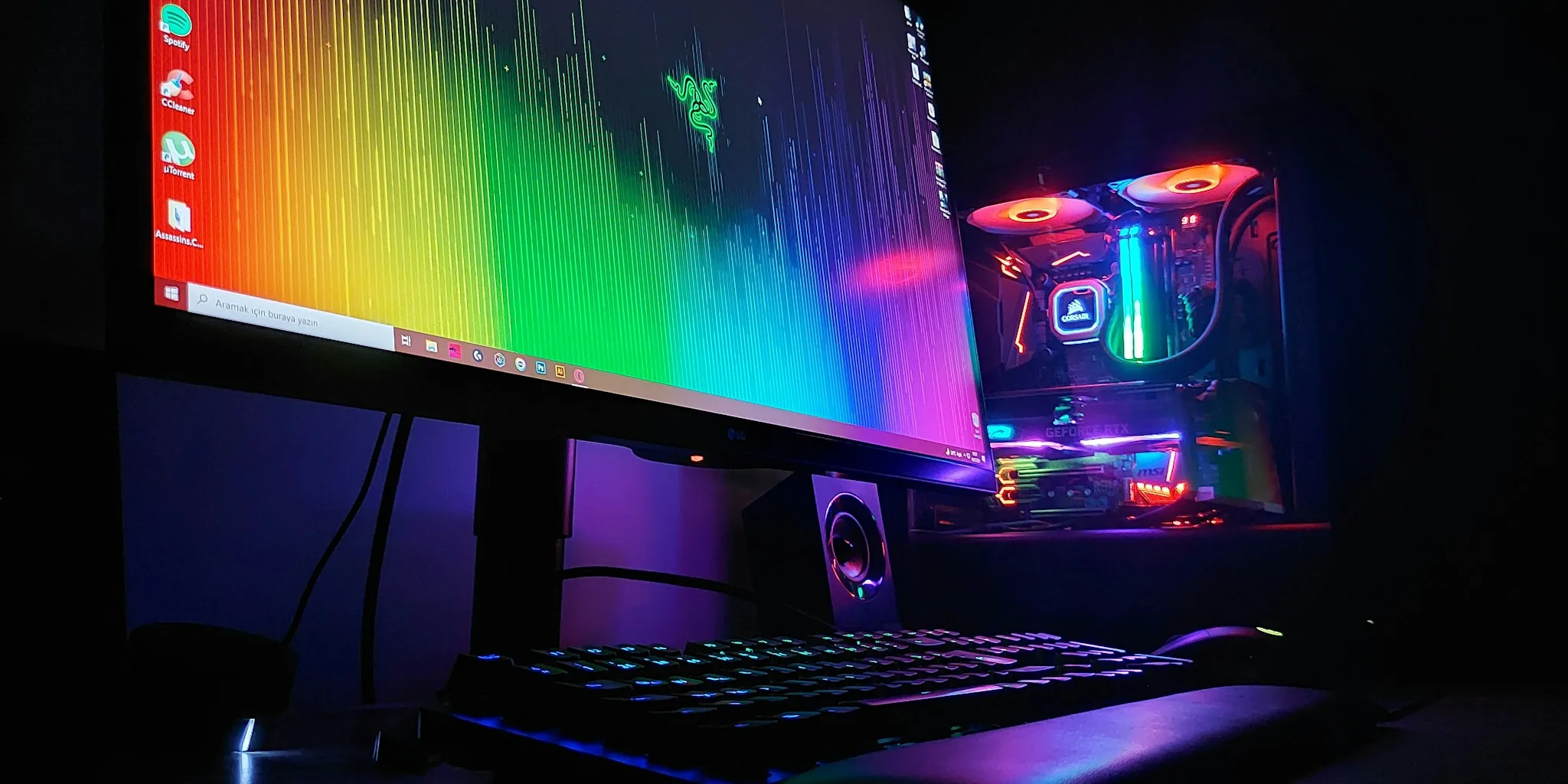
Graphics card prices have spiraled into crisis territory as we close out 2026. Over the past three months alone, GPU costs have climbed 35% on average across major markets, with some cards jumping 10% in a single month. This dramatic acceleration means anyone shopping for a new graphics card is facing sticker shock unlike anything we’ve seen in years.
The Current Price Landscape
Entry-level and mid-range graphics cards are bearing the heaviest burden. The RTX 5050, which should cost around $310, now starts at $420 in the US, a staggering 35% jump in one month. The RTX 5060 sits roughly 51% above its official launch price, with cards that were supposed to retail for $300 now commanding $420. Even worse, the RTX 5060 Ti 16GB has reached 84% above MSRP in the US, ballooning from a planned $430 to around $727 on average globally.
The situation grows more dire as you move up the product stack. The RTX 5070 and 5070 Ti have both climbed 8% month-over-month, pushing the 5070 Ti to 67% above its $750 launch price. Meanwhile, AMD’s Radeon lineup has accelerated even faster than NVIDIA’s offerings, with the RX 9060 XT 16GB jumping 17% in a single month and now sitting 77% above MSRP in the US.
The High-End Catastrophe
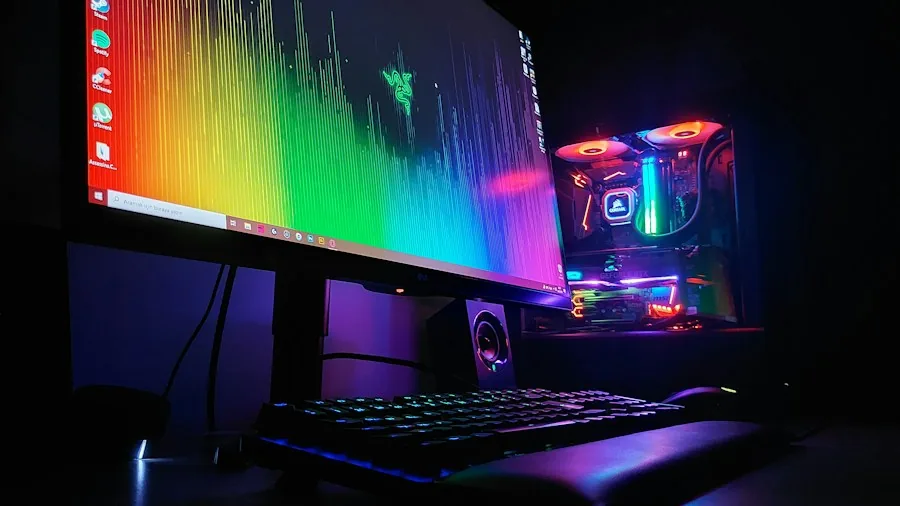
The flagship segment has become almost inaccessible. The RTX 5090, which should carry a $3,500 price tag, now costs a minimum of $9,400 in the US, representing a shocking 370% price premium. This isn’t a supply constraint issue that will resolve quickly; reports suggest NVIDIA has effectively discontinued the card for consumer buyers, leaving only limited stock that sellers are pricing accordingly. One month ago the RTX 5090 was already selling for over $6,000, so the additional 32% jump is particularly painful.
This RTX 5090 scarcity has created a trickle-down effect throughout the high-end market. The RTX 5080, which should represent NVIDIA’s top gaming option, has jumped 22% month-over-month and now carries a 120% markup in the US. Retailers including major online platforms have run completely out of direct stock, leaving only expensive third-party listings available. In some cases, the price surge reached 39% in a single month within the United States alone.
Why This Is Happening
The memory crisis sits at the center of this pricing nightmare. Graphics cards with 16GB of VRAM have become several hundred dollars more expensive than they should be, driven by skyrocketing memory costs. However, memory inflation alone doesn’t explain everything. Industry sources report that wholesale costs for the RTX 5080 have increased significantly in recent weeks, suggesting artificial price support from the channel.
One leading theory involves market preparation. Rumors circulating among retailers indicate NVIDIA plans to introduce an RTX 5080 24GB variant in early 2027, potentially discontinuing the current 16GB model. By pushing prices higher on existing inventory, the channel may be deliberately clearing stock and resetting buyer expectations before the new model arrives. A 24GB card would carry a substantially higher MSRP, making current high prices seem reasonable by comparison.
Demand from AI workload buyers has also created additional pressure on supply, particularly for higher-capacity cards that have multiple uses beyond gaming.
AMD Offers Better Value, For Now

AMD’s Radeon cards still represent superior value despite their own recent price jumps. The RX 9070 XT carries just 36% price inflation globally and costs roughly 47% less than the competing RTX 5070 Ti, despite offering comparable or better performance in many scenarios. The RX 9060 XT 16GB, though up 17% last month, remains 20% to 40% cheaper than NVIDIA’s RTX 5060 Ti 16GB across all regions examined.
However, AMD buyers shouldn’t expect this advantage to persist indefinitely. The gap is narrowing, with AMD cards increasing in price faster than their NVIDIA equivalents during recent months. The RX 9070 XT is fast approaching the $1,000 threshold in some markets.
Regional Disparities and Future Outlook
Price inflation varies dramatically by geography. The United States and Canada face the worst conditions, with GPU prices averaging 58% above MSRP. The Philippines, Brazil, and Australia experience somewhat better pricing, around 40% above launch prices. However, industry observers expect lower-inflation regions will eventually align with US pricing as supply pressures persist globally.
Multiple indicators suggest prices haven’t peaked. Retailers report that further increases are coming, and there’s no clear catalyst for prices to drop in the near term. The combination of memory scarcity, AI demand, strategic channel clearing, and potential new product launches means shoppers should expect continued upward pressure through early 2027.
For anyone considering a GPU purchase, the reality is grim: waiting may not help if wholesale costs continue climbing, yet buying now means paying historically elevated prices.
About the author
Katrina covers graphics cards for REMOVU, tracking gaming performance, features, and value as prices shift with every launch. She helps builders find the right GPU for their resolution and budget.