Forgotten Handheld Gaming Consoles That Changed What Buyers Expected
Discover the ambitious gaming devices that couldn't compete with Nintendo's dominance.
 By Levi Carlson
Updated November 1, 2026
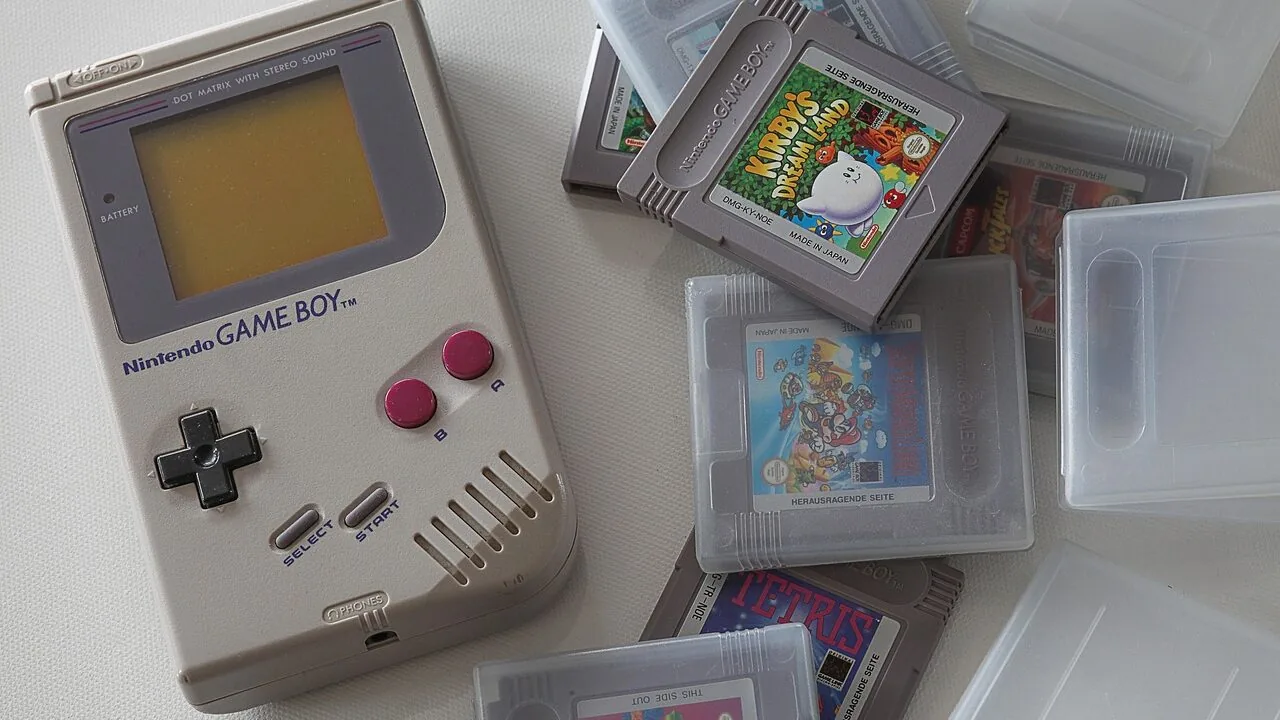
The Rise and Fall of Overlooked Handheld Gaming Innovation
The handheld gaming market has always been competitive, but not every device that entered it became a household name. While modern systems like the Steam Deck and Nintendo Switch capture headlines today, the history of portable gaming is filled with ambitious devices that failed to gain traction despite their innovation. Understanding these past releases helps shoppers appreciate the engineering choices and market dynamics that shape the handheld gaming consoles available today.
From the early days of LCD technology to the transition into full cartridge-based systems, several manufacturers tried to dethrone Nintendo’s Game Boy dominance. Some of these consoles were technically superior to their competitors, while others arrived at the wrong time or carried price tags that proved too steep for mainstream adoption. Each failure offered valuable lessons about what consumers actually wanted versus what manufacturers believed they needed.
The Sega Nomad: Portability That Came Too Late
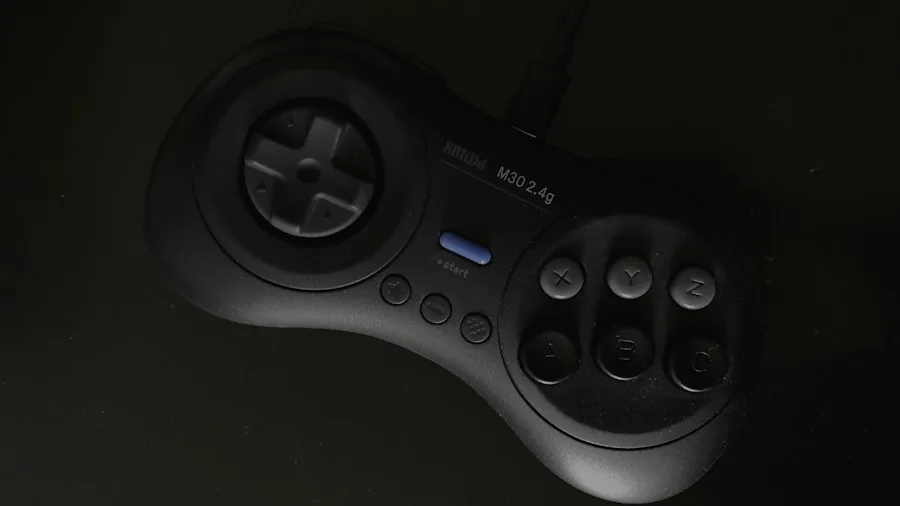
Sega’s previous handheld attempt, the Game Gear, had disappointed gamers with battery life so poor it became legendary for all the wrong reasons. When Sega released the Nomad in 1995, the company intended to correct course by creating a portable version of its hugely successful Genesis console. The result was genuinely clever: players could swap cartridges between their home Genesis and the portable Nomad, and the device could even connect to a television through an A/V port for larger-screen gameplay.
Despite these practical advantages, the Nomad stumbled in the marketplace. Its launch price of nearly $180 positioned it well above competing handheld gaming consoles under $200, and battery life remained disappointingly short. The Nomad also arrived near the end of the Genesis era, when consumers were already looking toward newer platforms. Compatibility gaps with accessories like the Sega CD and 32X further limited its appeal.
The Atari Lynx: More Power, Higher Price
When Atari unveiled the Lynx in 1989, it arrived alongside Nintendo’s Game Boy with significantly more advanced specifications. The Lynx featured a 16-bit processor, a color screen, and networking capability that allowed up to 16 players to connect simultaneously through ComLynx technology. According to its designers, the Lynx’s graphics processor operated roughly 20 to 30 times more efficiently than comparable systems of the era.
However, specifications alone don’t guarantee market success. The Lynx’s $179 price tag positioned it as a premium product when the Game Boy cost approximately half that amount. While initial sales reached 500,000 units in 1990, the arrival of Sega’s Game Gear provided competition in the color handheld space, and neither manufacturer could compete with Nintendo’s access to major gaming licenses. The Lynx ultimately became one of the gaming industry’s most notable commercial failures despite its impressive technical achievements.
Tiger Game.com: A Hybrid That Confused Buyers
Tiger Electronics built its reputation on affordable LCD handheld games before attempting something more ambitious in 1997. The Game.com arrived with a touchscreen, stylus input, and internet connectivity, paired with a modest price around $70. It featured licensed titles like Duke Nukem 3D and Jurassic Park games that should have attracted older gamers seeking a more mature library.
The Game.com’s failure stemmed from an identity crisis. While it boasted features that later handhelds would adopt, it still felt behind the curve when compared to existing options. The device occupied an awkward middle ground, offering futuristic elements alongside dated performance. Retailers stocked it predominantly in toy departments despite its appeal to older players, creating confusion about who the target audience actually was. Tiger released an improved version called the Pocket Pro, but the damage was already done. The system never recovered and faded into obscurity.
The Milton Bradley Microvision: A Cartridge Pioneer
A decade before the Game Boy arrived, the Milton Bradley Microvision made history in 1979 as the first cartridge-based handheld gaming device with an LCD screen. The console itself was minimal, containing little more than a 16 x 16 display, battery compartment, buttons, and a control knob. All actual processing power resided within the cartridges themselves, which held up to 2,048 bytes of ROM and 64 bytes of RAM.
At $50, the Microvision represented an innovative value proposition, with games available for approximately $18 each. Despite lasting only until 1981 in the United States with just 13 games produced, the Microvision established an important precedent. Its approach to cartridge-based gaming influenced how the industry developed for decades afterward, and many subsequent handheld gaming consoles worth buying eventually adopted similar architectures.
What These Failures Teach Modern Shoppers
Each of these forgotten devices illustrates different factors that influence handheld gaming success. Price sensitivity remains crucial: even technically superior devices struggle if positioned outside consumer budgets. Timing matters enormously: releasing a handheld at the twilight of a console generation reduces its appeal. Library diversity and access to major licensing agreements significantly impact commercial viability. Battery life and feature compatibility directly influence user satisfaction and device value.
Understanding these historical lessons helps modern shoppers make informed decisions about current and future handheld platforms. The market continues evolving, and appreciating how previous innovations succeeded or failed provides context for evaluating the choices available today.
About the author
Levi writes about handheld gaming consoles for REMOVU, weighing processing power, battery life, and library depth. He helps players pick a handheld that fits both their backlog and their commute.