Nvidia GeForce RTX 5080 Prices Surge to $2000: What Shoppers Need to Know
The GeForce RTX 5080 now costs $2000 as stock dries up. Prices have doubled since launch.
 By Katrina Dean
Updated October 29, 2026
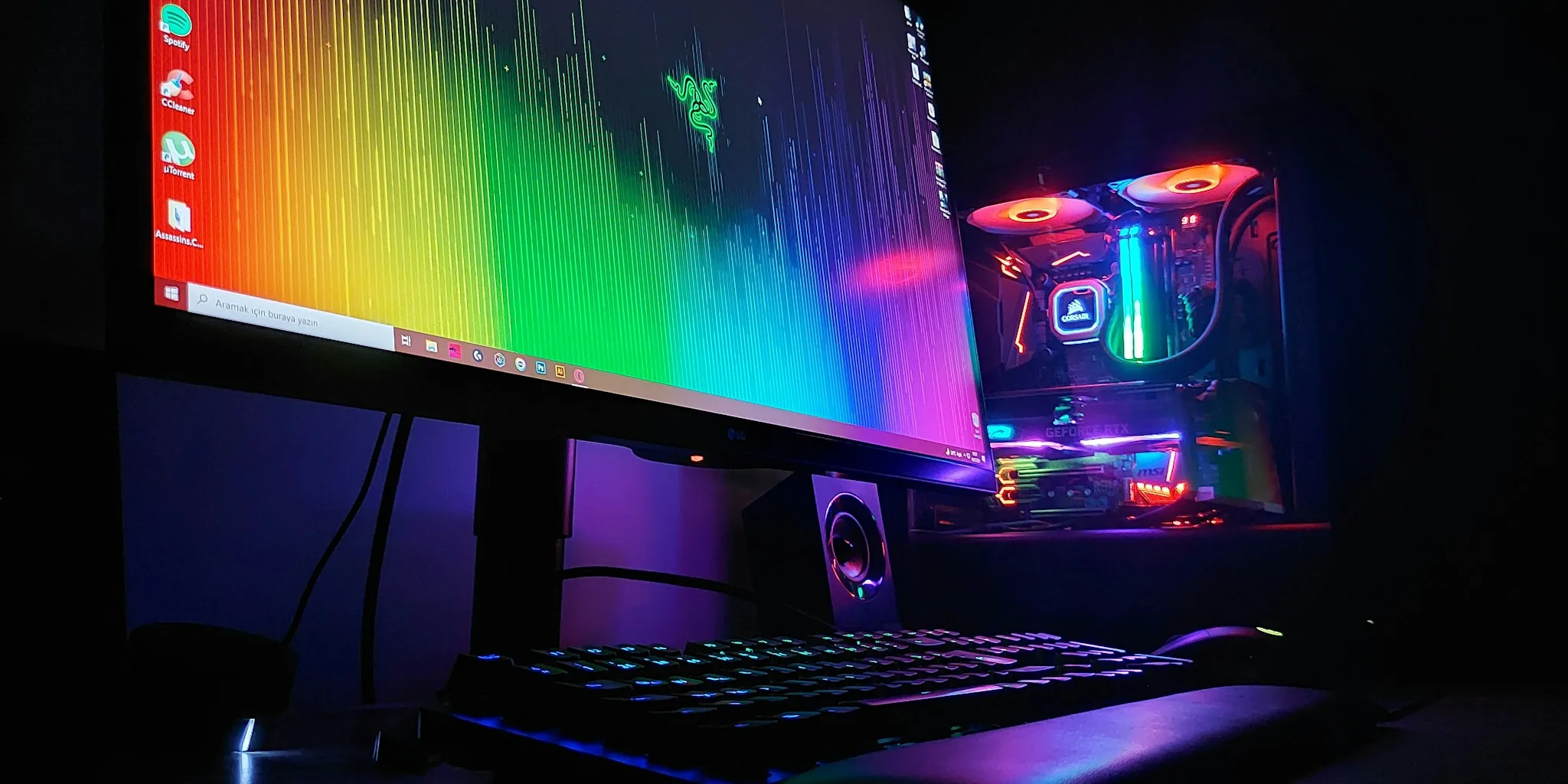
GeForce RTX 5080 Pricing Crisis: From $999 to $2000 and Beyond
When Nvidia announced the GeForce RTX 5080, the company set a manufacturer’s suggested retail price of $999. Today, consumers hunting for this graphics card online face a drastically different reality. The RTX 5080 now commands prices between $2,000 and $3,000 across major retailers, making it more expensive than Nvidia’s flagship RTX 5090 GPU was at its original launch price of $1,999.
This dramatic price escalation represents a fundamental shift in the graphics card market and carries serious implications for anyone considering a GPU upgrade. The cheapest RTX 5080 currently available from reputable sellers like Best Buy sits at $1,999 for a PNY model, matching the launch price of the RTX 5090 itself. Other models push even higher: the Asus ROG Astral variant exceeds $2,299 at Newegg, while some Gigabyte configurations reach nearly $3,000 from third-party marketplace sellers.
Stock Scarcity Driving Inflated Costs

Beyond sticker shock, availability issues compound the problem. Inventory for the RTX 5080 remains severely limited across all major channels. Best Buy offers only one or two units available for local pickup in most locations, with delivery options equally sparse. Micro Center shows similar constraints depending on geographic location, though some stores do maintain in-store pricing closer to manufacturer recommendations. This shortage of legitimate stock forces consumers toward third-party sellers on platforms like Amazon, where ratings and reliability vary considerably and prices climb even higher.
The sustained price increases tell a clear story about market dynamics. Since the RTX 5080 launched, its asking price has climbed steadily alongside the entire RTX 50-series lineup. Back in August, this same PNY card averaged around $1,500. The breach of the $2,000 threshold, matching the RTX 5090’s launch MSRP, represents an unprecedented milestone in this pricing crisis. That $1,000 gap between original retail and current market value is simply not sustainable for mainstream gaming budgets.
The Broader RTX 50-Series Problem
The RTX 5080 pricing chaos does not exist in isolation. The RTX 5090, Nvidia’s most powerful consumer gaming GPU, launched at $1,999 but now sells for $9,000 to $12,000 in available listings. This explosion reflects extraordinary demand and minimal supply across the entire high-end GPU market. For consumers evaluating graphics card options, understanding this landscape proves essential before making purchasing decisions. You should explore graphics cards from multiple manufacturers and price points rather than assuming availability or standard pricing for premium models.
The RTX 5080 itself features Nvidia’s GB203 GPU architecture, 10,752 CUDA cores, and 16GB of GDDR7 memory. On paper, these specifications deliver serious gaming performance for modern titles and creative workloads. However, the pricing reality raises uncomfortable questions about value for the everyday consumer. At $2,000 or beyond, the RTX 5080 occupies a position once held by much more powerful enterprise GPUs, creating a purchasing paradox where consumers pay premium prices without access to premium performance tier.
Why Prices Continue Climbing
Industry observers point to artificial intelligence demand as the primary culprit behind consumer GPU scarcity. Nvidia has aggressively shifted production resources toward enterprise and data center markets, where AI applications command significantly higher margins. This strategic pivot means memory manufacturers have also reallocated their production capacity, funneling DRAM and specialized HBM memory toward AI infrastructure projects rather than consumer graphics cards.
The consequences ripple directly to gaming and creative professionals seeking mainstream GPU options. Manufacturing capacity that would previously supply consumer electronics now feeds the insatiable appetite for AI computing resources. This structural market shift suggests that current pricing and availability challenges may persist for considerably longer than historical GPU launch cycles.
What Shoppers Should Do Now
For consumers in the market for graphics card upgrades, current conditions demand strategic patience and flexibility. If you require GPU performance today, evaluating graphics cards under $500 from previous generations may deliver better value than paying double or triple the recommended price for new models. Consider whether your existing setup can sustain you while market conditions stabilize, or explore alternative solutions like mini PCs with integrated graphics for less demanding applications.
The GeForce RTX 5080 situation exemplifies how supply constraints and market shifts can disconnect retail pricing from manufacturer recommendations. Consumers should verify current pricing across multiple retailers before committing to any purchase and remain skeptical of unusually high figures from unfamiliar third-party sellers. The gap between intended pricing and actual market costs continues widening, making informed shopping decisions more important than ever.
About the author
Katrina covers graphics cards for REMOVU, tracking gaming performance, features, and value as prices shift with every launch. She helps builders find the right GPU for their resolution and budget.