US Laptop Supply Chain Getting Its First Competitor: What Buyers Should Know
Defense contractor Anduril commits to 65 percent US-made components for its first BlueChip laptop, reshaping tech supply chains.
 By Ava Herrera
Updated October 29, 2026
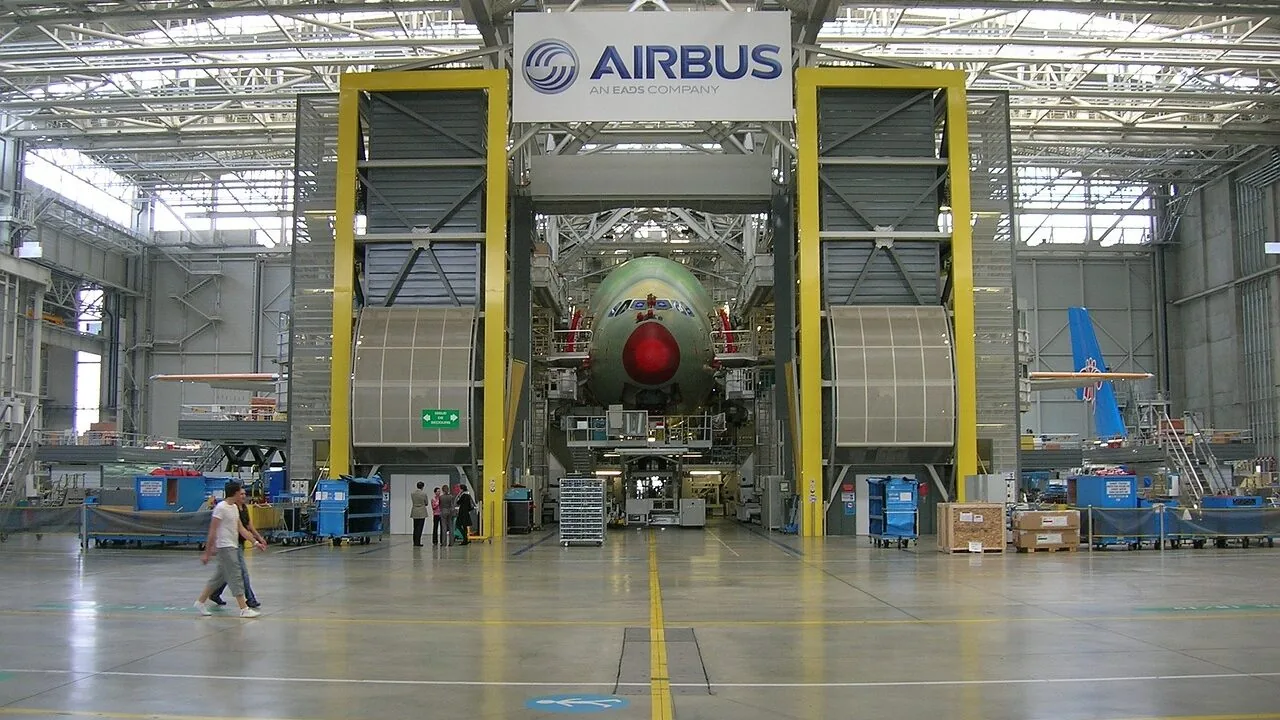
The laptop supply chain in America is about to shift. Anduril, a defense contractor, and Qualcomm announced they’re building an entirely domestic laptop set to arrive in 2027, marking a significant moment for US manufacturing in a sector that has relied on overseas production for decades.
No major computer manufacturer currently assembles laptops in the United States, not Apple, Dell, HP, or Microsoft. The new BlueChip model will become a rarity, built and assembled within American borders from components sourced domestically whenever possible. For consumers and government agencies alike, this development carries real implications.
What This Means for the Supply Chain
The partnership centers on meeting the Buy American Act, a 1933 law updated during the Biden administration to require at least 65 percent of a product’s cost to originate from domestic sources for federal procurement purposes. That threshold rises to 75 percent in 2029. Anduril committed to meeting the 65 percent standard at launch, a concrete goal that separates this effort from vague promises made by other manufacturers in the past.
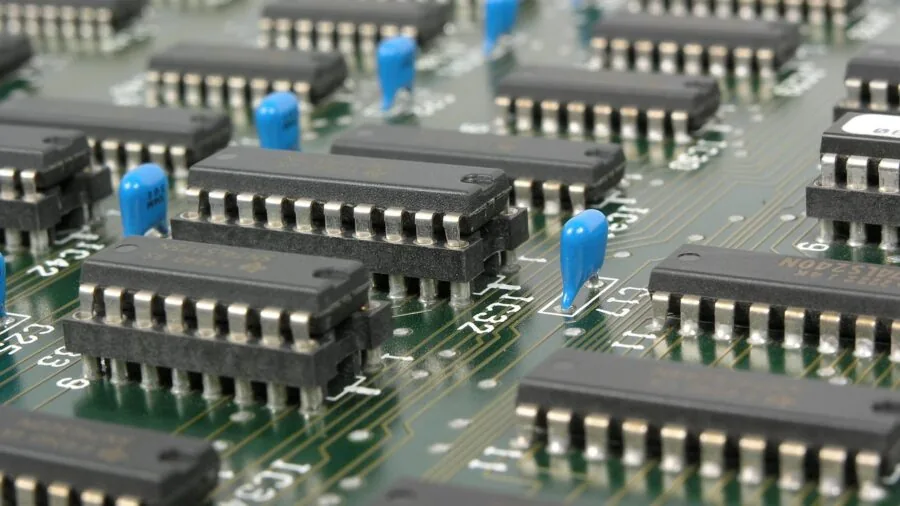
The BlueChip laptop’s supply chain will differ fundamentally from traditional models. Anduril is securing a US glassmaker for the display cover, designing the enclosure specifically for American machining, and sourcing metals that US industry can produce at scale. The Snapdragon processor will come from TSMC’s Arizona manufacturing facility rather than overseas plants. Anduril is also developing batteries domestically and programming specialized circuits called FPGAs to replace components normally sourced from China.
This represents the kind of intentional sourcing that creates ripple effects across an entire industry. When one company commits to domestic supply chains, it creates demand for suppliers to establish or expand US production capacity. Glass manufacturers, metal processors, and battery producers will need to scale up operations to support not just Anduril but potentially other manufacturers watching this effort closely.
Why This Matters Now
The timing reflects broader government and consumer interest in reducing dependence on overseas manufacturing. Federal agencies face legal requirements to purchase American-made products, yet they currently operate under widespread waivers because compliant options barely existed. A certified Made-in-America laptop removes that justification, forcing agencies to reassess their procurement strategies.
Consumers benefit from supply chain resilience. Devices manufactured domestically face fewer logistical risks, shorter lead times, and reduced vulnerability to international shipping disruptions. The semiconductor shortage that plagued industries from 2021 to 2023 demonstrated how fragile global electronics chains can become. Domestic production creates a buffer against such crises.
The Honest Assessment
Earlier statements from Anduril suggested uncertainty about domestic component percentages. The company initially said the prototype sat at 32 percent US-origin sourcing. Rapid clarification to confirm the 65 percent commitment at launch reveals either improved supply chain progress or adjusted expectations. The fact that every component wasn’t locked down initially shows the complexity involved.
Some pieces remain genuinely difficult to source domestically. The US semiconductor industry continues expanding but hasn’t yet regained the full manufacturing capacity it once held. Display panels, rare earth elements, and advanced circuitry require either investment in new facilities or acceptance of higher production costs. Anduril’s approach acknowledges this reality while pushing suppliers to solve these challenges.
Government procurement standards like those governing connected devices and security infrastructure often demand US sourcing not merely for economic reasons but for national security. Defense applications particularly require supply chain transparency and domestic control. This laptop development serves both commercial and strategic purposes.
What Shoppers Should Watch For
When the BlueChip arrives in 2027, examine the fine details. Anduril specifically mentions the device will be designed and assembled in the United States, language that differs from claiming it’s fully manufactured here. Components can be manufactured abroad and assembled domestically, a distinction that matters for understanding true supply chain commitment.
Price will become another indicator. Domestic manufacturing typically costs more than overseas production at comparable scales. Whether consumers accept premium pricing for US-made electronics will determine whether this model expands industry-wide or remains a niche offering.
The announcement also signals which other manufacturers might follow suit. Companies considering domestic production have a roadmap and can assess feasibility based on Anduril’s experience. If the BlueChip succeeds commercially and meets its domestic sourcing targets, competitors face growing pressure to compete on supply chain principles, not just features and pricing.
This laptop represents a bet that Americans value where their technology comes from. The broader implications extend far beyond a single device, potentially reshaping how the entire industry thinks about sourcing and manufacturing for the next decade.
About the author
Ava is REMOVU's laptop writer, balancing speed, battery life, and build quality against price across the whole range. She helps readers find the sweet spot as each new chip shifts what a dollar buys.