US Import Ban on Foreign Tech Gadgets What Shoppers Need to Know
US restricts drones, routers, and robot vacuums. What it means for shoppers and product availability.
 By Beverly Morrison
Updated October 28, 2026

Starting in late 2025, the US government has implemented a series of restrictions on foreign consumer electronics entering the country. These bans target drones, routers, robot vacuums, and power inverters, claiming national security concerns justify the action. For everyday shoppers accustomed to access from global manufacturers, the implications are significant and far-reaching.
The Scope of Current Import Restrictions
The restrictions began with drones in December 2025, when the federal government announced that all future foreign-manufactured drones would require special waivers to enter the US market. Within months, the government extended similar rules to Wi-Fi routers, robotic devices including robot vacuums, and power inverters. Each ban operates under the premise that these gadgets pose unacceptable national security risks, though the government has not publicly released specific evidence supporting these claims.
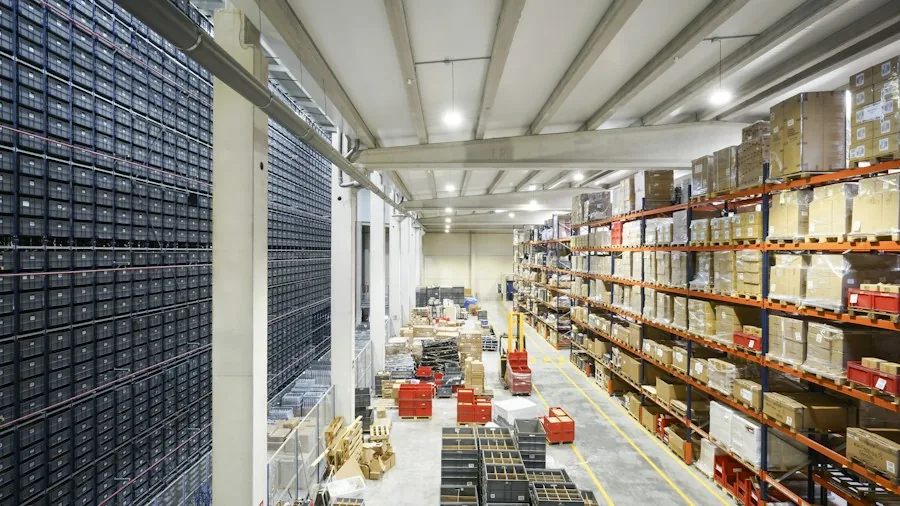
The reach of these restrictions is remarkably broad because most consumer electronics sold in America are manufactured overseas. Routers, drones, and vacuum cleaners are predominantly assembled in Asia, not the United States. This reality means the bans potentially affect the vast majority of new products in these categories available to US consumers.
How the Waiver System Works
Rather than an absolute ban, the government created a waiver mechanism that allows certain companies to import gadgets if they meet specific conditions. Companies seeking exemptions must demonstrate to the government that their products do not pose security threats and submit detailed plans to establish or expand manufacturing operations within the United States.
The process has been inconsistent and opaque. Some manufacturers have received blanket approvals allowing all their future products to be imported, while others face device-by-device scrutiny. Several companies have received conditional approvals valid for limited timeframes, typically two to three years. The criteria and reasoning behind these decisions remain unclear, with the government citing sealed letters to Congress and undisclosed Pentagon determinations rather than transparent public standards.
What This Means for Your Shopping Options
The most immediate consequence is reduced availability and higher prices for certain electronics categories. Major international brands that previously supplied the US market now face significant hurdles bringing new products here. One leading router manufacturer committed to investing nearly one billion dollars to establish US-based manufacturing, demonstrating the substantial costs companies must consider to maintain market access.
Interestingly, some products already inside the US before the ban took effect remain available through online marketplaces. Consumers searching for certain banned camera models discover them readily available through various retailers, including major platforms like Amazon and eBay, because these units were imported before restrictions took effect. However, purchasing power is unevenly distributed, with lucky early buyers able to access inventory while new shipments face blockage.
The Robot Vacuum Category Under Pressure
Robot vacuums represent an especially controversial target because these devices are manufactured exclusively overseas by all major producers. Unlike some industries, no significant US-based robot vacuum manufacturers exist to fill supply gaps. The government’s restriction on this category therefore directly reduces consumer choice without creating domestic alternatives.
When shopping for cleaning solutions, you’ll find limited options among newly approved models, while existing inventory from before the ban may still be available through online channels. If you’re considering a robot vacuum for large homes, availability will depend heavily on purchase timing and product model.
Compliance Challenges and Enforcement Issues
The enforcement of these bans has proven complex and inconsistent. Some companies have attempted to circumvent restrictions through creative product classifications or by establishing subsidiary brands, though the government has increasingly moved to prevent such workarounds. Meanwhile, the US government acknowledged challenges in consistently enforcing its own restrictions, particularly regarding drones that entered the country through gray market channels.
The FCC also began cracking down on testing facilities, revoking certifications from laboratories suspected of providing false results that allowed prohibited gadgets to gain import approval. Starting in 2028, the government plans to eliminate Chinese testing labs from the authorization process entirely, which will likely slow approval timelines for all consumer electronics.
Looking Ahead at Market Implications
Several major manufacturers responded to these restrictions by either seeking waivers or committing to domestic manufacturing investments. This pattern suggests ongoing market fragmentation, where some companies maintain import privileges while others lose access. Shoppers may encounter price increases as production costs rise when manufacturing shifts to the United States, and availability may become inconsistent as supply chains reorganize.
The uncertainty surrounding these policies also affects product innovation, as companies become hesitant to invest in developing new electronics for the US market when import status remains unclear. This could slow the introduction of new features and technologies that consumers would normally see in competitive categories like routers and drones.
For those seeking power banks for laptops, similar supply chain pressures may eventually apply, depending on how government restrictions expand. Understanding these regulatory shifts helps consumers make informed purchasing decisions and anticipate potential gaps in product availability moving forward.
About the author
Beverly covers robot vacuums and mops for REMOVU, weighing cleaning power, smart mapping, and low-fuss maintenance. She helps readers find a model that earns its keep.