Smart Ring Patent Battle: Oura Sues Ultrahuman Over Ring Pro Design and What Shoppers Need to Know
Oura sues Ultrahuman over Ring Pro patents. Here's what the legal battle means for smart ring buyers.
 By Isabella Reyes
Updated October 23, 2026
The Latest Round in a Heated Smart Ring Dispute
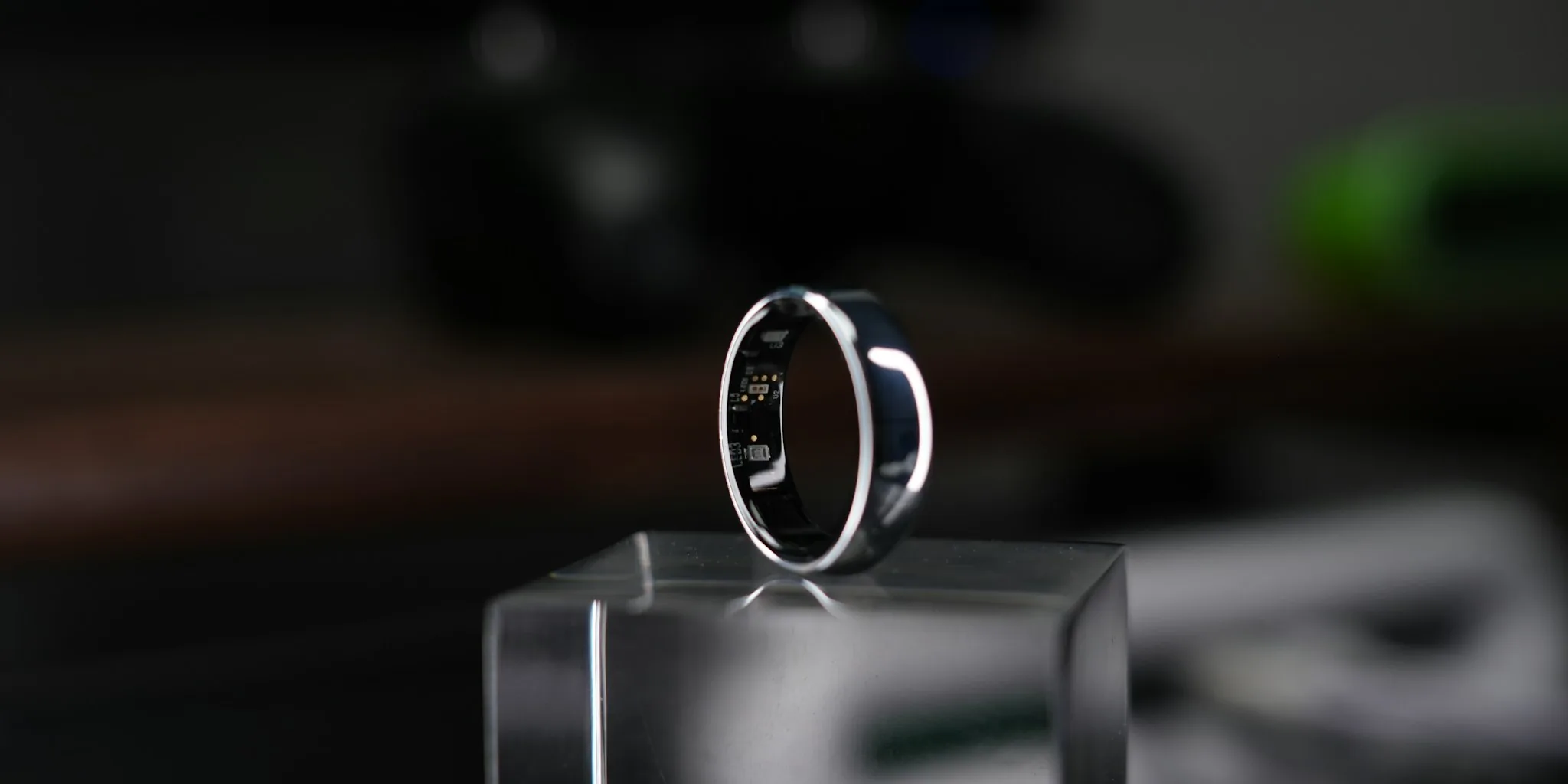
The competition among wearable manufacturers has turned into a legal battlefield. Oura, a leading maker of health-tracking rings, has filed a patent infringement lawsuit against Ultrahuman, alleging that the company copied proprietary technology in its Ring Pro device. This marks another escalation in an ongoing dispute between the two smart ring competitors that has stretched across multiple years and continents.
According to the lawsuit, Oura claims Ultrahuman violated patents related to the Ring Pro’s internal design and physical components. Specifically, Oura alleges the infringement involves the ring’s curved battery, circuit board, magnets, and sensors. In a statement about the action, an Oura representative noted that Ultrahuman has a documented history of copying their innovations, pointing to a 2025 International Trade Commission ruling that previously found against Ultrahuman. The company asserts that even though Ultrahuman introduced a redesigned version of the Ring Pro, it failed to address ongoing patent violations.
The timing of the lawsuit raises questions for observers. Oura was granted the specific internal-component patent at the center of this case on October 20, and filed suit just two days later. This rapid legal action suggests the company moved quickly to protect its intellectual property once the patent protection was secured.
Ultrahuman’s Response and Market Position
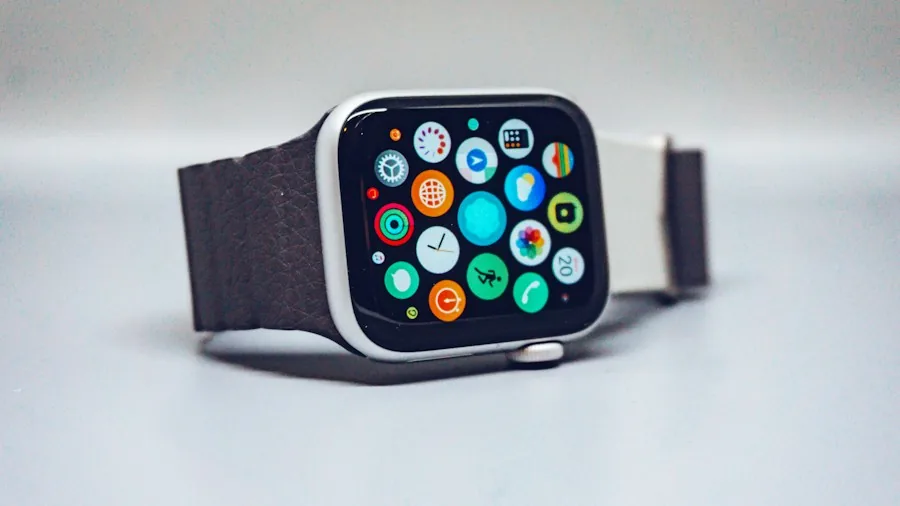
Ultrahuman has pushed back against these allegations through its leadership. The company’s co-founder and CEO, Mohit Kumar, told media outlets that Oura is asserting different patents than in previous disputes, including the one granted mere days before filing. Kumar emphasized that courts have not issued any injunction stopping Ultrahuman from selling the Ring Pro to American consumers, meaning the device remains available for purchase despite the legal challenge.
The dispute carries particular significance for Ultrahuman because the Ring Pro represents the company’s return to the U.S. market. Ultrahuman previously faced an import ban that forced it out of American sales. The Ring Pro was supposed to be the company’s comeback vehicle, but Oura is attempting to block that resurgence through patent litigation.
Oura is reportedly seeking monetary damages as part of the lawsuit. The financial stakes are substantial, especially considering the growing consumer interest in smart rings worth buying for every health goal.
A Complicated History Between Competitors

This legal action did not occur in a vacuum. The two companies have engaged in back-and-forth disputes for years. In 2025, Ultrahuman actually sued Oura first, accusing the company’s Ring 4 of copying patented smart ring technology. That lawsuit focused on sleep tracking features, circadian rhythm tools, and women’s health capabilities that Ultrahuman claimed to have pioneered.
Beyond the technical dispute, the companies represent different business philosophies. Oura relies heavily on a subscription model to monetize features, while Ultrahuman offers many capabilities through a free tier, with optional paid upgrades called PowerPlugs. Ultrahuman has framed its legal actions not merely as patent defense, but as a mission to position itself as a champion of open health data and Indian innovation on the global stage.
Ultrahuman has continued developing its platform into 2026. The company recently partnered with HealthEx to integrate users’ official medical records into the Ring Pro app, allowing direct comparison between ring-tracked data and clinical information. This integration enables users to bring validated insights to their healthcare providers. Additionally, Ultrahuman rolled out Heart Scan functionality for the Ring Pro, a feature that provides a snapshot of heart condition within sixty seconds.
What This Means for Smart Ring Shoppers
These legal battles have real implications for consumers evaluating smart rings for fitness. Patent disputes can affect product availability, pricing, and feature development. When companies must defend legal challenges or modify designs to avoid infringement, those costs and disruptions can eventually impact consumers.
Shoppers considering a smart ring purchase should be aware that the market leaders are actively litigating design and technology disputes. This legal environment could influence which products remain available or how quickly manufacturers can introduce new features. Additionally, the outcome of these cases may set precedent for what constitutes patentable innovation in the wearable health technology space.
For consumers, the practical takeaway is to research current product availability and feature sets before purchasing. Legal injunctions could suddenly affect which devices are accessible in your region. Understanding the competitive landscape and the companies behind these products helps shoppers make informed decisions about which smart ring aligns with their health tracking priorities and long-term needs.
About the author
Isabella writes about smart rings for REMOVU, weighing sensor accuracy, comfort, and subscription costs for sleep and recovery tracking. She helps readers decide whether a ring beats a wrist wearable.