iPhone 20 Rumors: What Android Phone Makers Could Copy and Why Shoppers Should Care
Android makers are copying Apple's next move, but not every feature is worth the hype.
 By Eleanor Garcia
Updated October 23, 2026
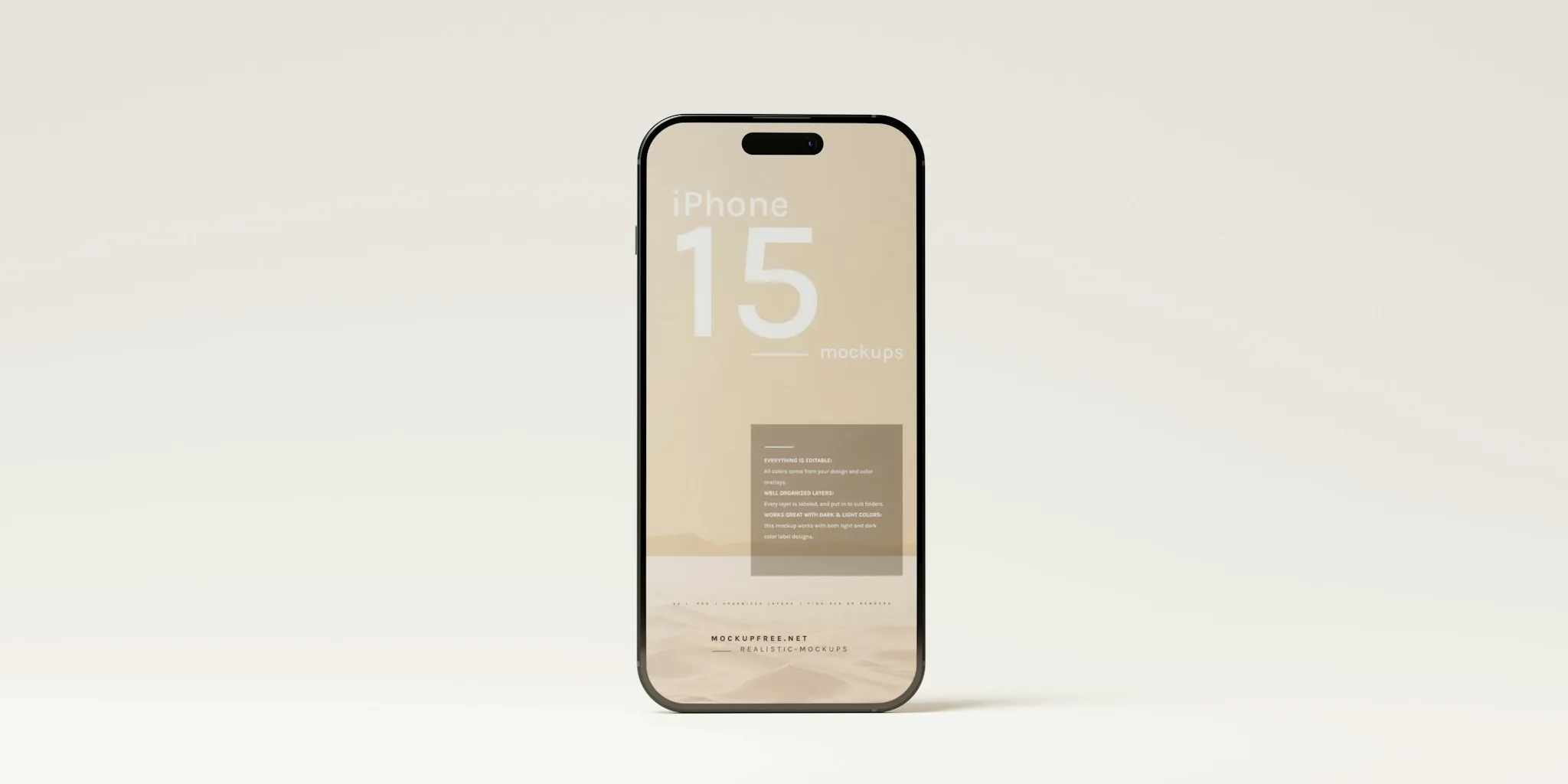
Apple’s forthcoming iPhone 20 is generating excitement across the smartphone industry, but recent leaks suggest the device could spark a wave of copycat features across Android manufacturers. Understanding what’s coming and how it might affect your next phone purchase is important as the device approaches launch.
What Digital Chat Station Is Predicting
According to a credible industry tipster known as Digital Chat Station, several major Android manufacturers are already preparing to compete directly with the iPhone 20. The prediction centers on two significant design and technology shifts: a 200MP variable aperture camera system and borderless quad-curved display panels. These manufacturers, many based in China and ranging from Xiaomi to Honor to Oppo, are reportedly evaluating these features specifically to match what Apple is expected to introduce.
The timing matters because the iPhone 20 represents an important milestone. Apple revolutionized the smartphone industry when it debuted the original iPhone in 2007, and the 20th generation model will be positioned as another major innovation checkpoint. Industry observers expect Apple to invest significantly in cutting-edge technology for this release, potentially setting trends that competitors will scramble to replicate.
The Quad-Curved Display Dilemma
Rumors consistently indicate the iPhone 20 will feature quad-curved display panels instead of the flat screens currently standard across most smartphones. A quad-curved design wraps glass around all four edges of the device, creating a seamless aesthetic that appears to eliminate bezels entirely. While this creates stunning visual impact in product presentations, the practical user experience tells a different story for many consumers.
Quad-curved displays introduce recurring frustrations. Accidental edge touches register frequently despite software safeguards designed to minimize phantom inputs. Screen protectors never adhere completely, especially at the corners where the curve is most pronounced. The psychological appeal of a bezel-free design fades quickly once users adapt to modern flat-panel bezels, which are already remarkably thin on current flagship devices. If Android makers follow Apple’s lead into quad-curved territory, expect these same drawbacks to spread across high-end devices in 2027 and beyond.
The Variable Aperture Camera: Impressive on Paper
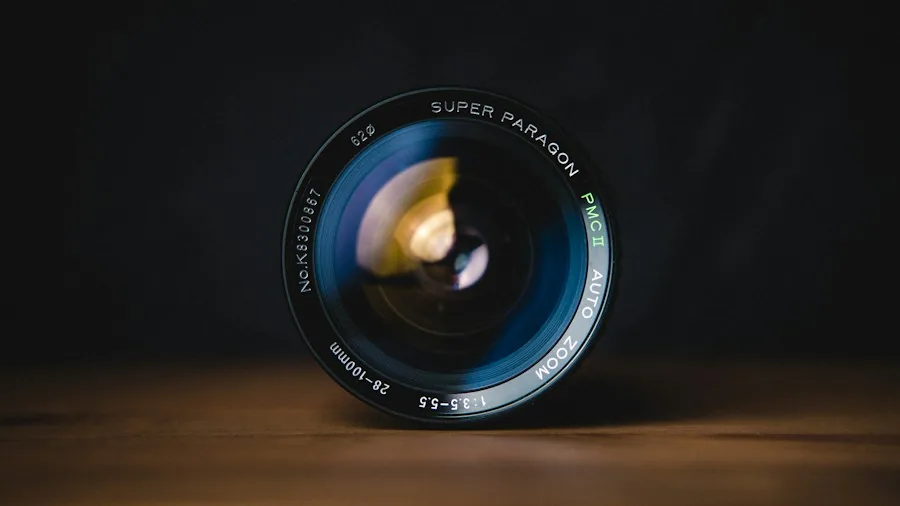
The variable aperture camera system is the other major feature Android manufacturers are preparing to implement. Apple is rumored to make this adjustment to control light entry and depth of field dynamically. However, the practical benefits for smartphone photography remain questionable.
Traditional cameras with large sensors benefit substantially from variable apertures. Photographers can adjust how much light reaches the sensor and how much of the scene stays in focus, enabling creative choices between sharp landscapes and blurred-background portraits. Smartphones operate under entirely different constraints. Even the largest mobile sensors are tiny compared to professional camera standards. These small sensors already provide ample depth of field, keeping most of the scene sharp automatically.
Modern phones already deliver impressive portrait-mode effects through computational photography, which uses software algorithms to simulate background blur convincingly without requiring mechanical aperture adjustments. Variable aperture systems could theoretically help in bright sunlight or for extreme close-ups, but closing the aperture reduces incoming light, forcing the phone to use slower shutter speeds or higher ISO sensitivity in dim conditions. The benefits rarely justify the added complexity and manufacturing cost. Consumers would benefit far more from larger sensors and improved telephoto capabilities than from adjustable apertures.
Why Blind Feature Copying Hurts Consumers
Apple’s track record of popularizing smartphone features is undeniable. The company excels at identifying technologies and design approaches, then refining them into mainstream appeal. This influence drives enormous industry-wide adoption, sometimes warranted and sometimes not. When Apple introduced its folding iPhone Duo, Android manufacturers almost immediately copied the folding animation itself, suggesting an almost reflexive response to Apple’s moves.
However, not every Apple innovation benefits Android users. Inspiration fuels healthy competition, but wholesale copying without evaluating genuine consumer value creates problems. When manufacturers prioritize matching Apple’s design language over solving actual user problems, everyone loses. Better camera sensors, improved battery life, software reliability, and actual performance gains would serve shoppers far better than racing to implement features that may never enhance daily smartphone use.
The upcoming cycle suggests Android makers will again follow Apple’s lead on quad-curved displays and variable apertures, regardless of practical merit. Shoppers considering wireless earbuds for iPhone users or other accessories should stay informed about these design shifts, as they could affect case compatibility and overall usability across the industry. Understanding which rumored features genuinely improve your experience matters more than tracking which company copies which specification.
What This Means for Your Next Purchase
As the iPhone 20 launch approaches, expect Android flagship announcements to emphasize quad-curved screens and variable aperture cameras as major differentiators. Evaluate these features critically based on how you actually use your phone, not on marketing hype or spec-sheet impressiveness. Consider whether you’ve ever wished for a variable aperture, or if flat displays have genuinely disappointed you recently. The best smartphone for your needs balances genuine innovations with proven user value, a distinction often lost when manufacturers chase Apple’s footsteps too closely.
About the author
Eleanor covers smartphones for REMOVU, balancing cameras, battery life, and software support against price. She helps readers find the best value as the field shifts with every release.