Samsung Galaxy A Phones Now Share Files With iPhones via Quick Share
Samsung brings AirDrop compatibility to mid-range Galaxy phones, breaking through Apple's ecosystem barriers.
 By Eleanor Garcia
Updated October 21, 2026
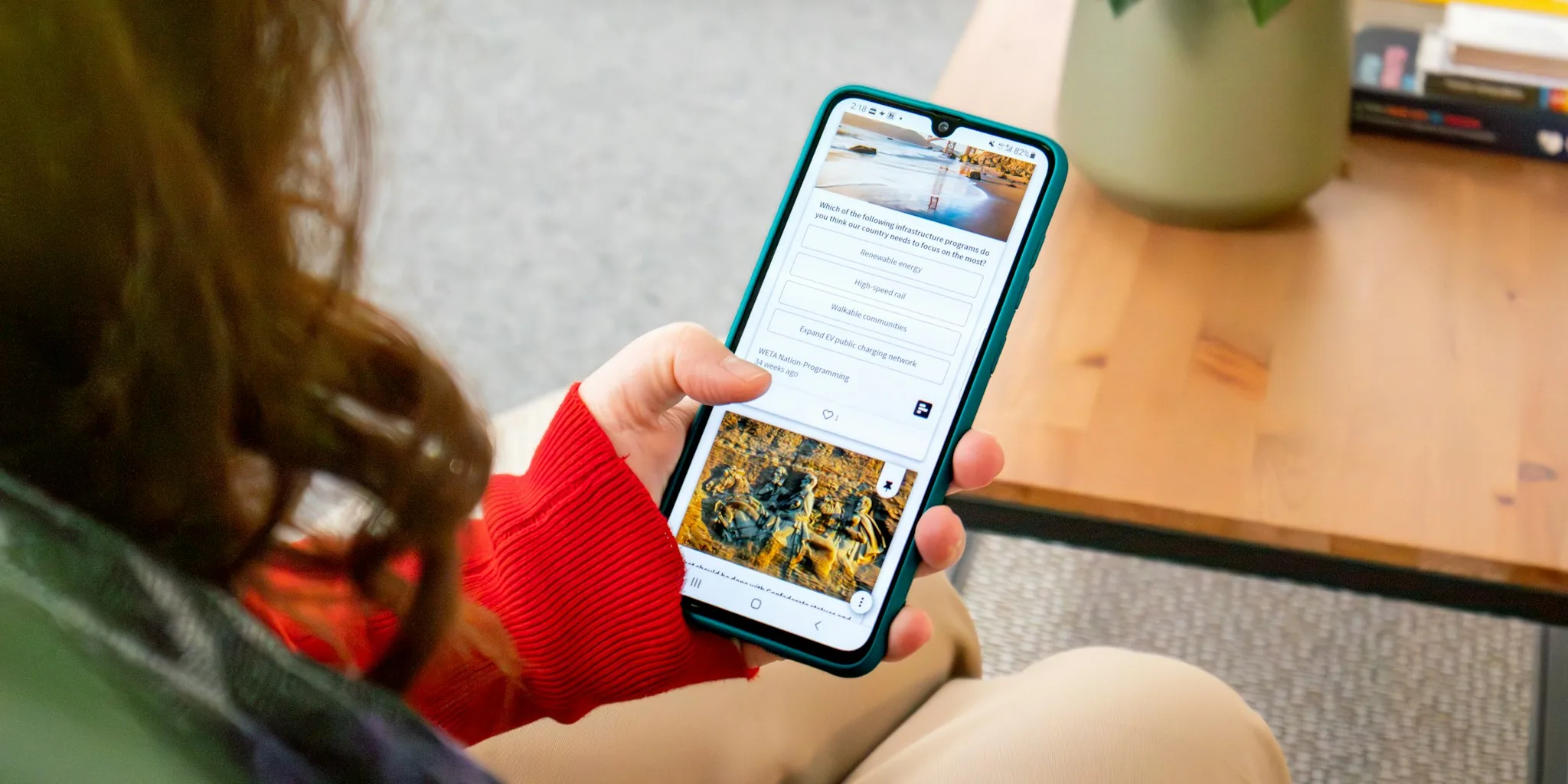
Samsung has significantly expanded cross-platform file sharing capabilities by bringing Quick Share with AirDrop compatibility to its mid-range Galaxy A lineup. Following the One UI 9 update rollout, Galaxy A56 and A57 users can now send photos, documents, and other files directly to iPhones, iPads, and Mac computers, marking a major shift in how Android and iOS devices interact.
This development represents a substantial breakthrough for smartphone shoppers who own devices across both ecosystems. Previously, moving files between Android and Apple devices required workarounds like cloud storage services, email, or third-party messaging apps. The new Quick Share feature eliminates that friction by enabling seamless peer-to-peer transfers using established AirDrop protocols that iPhone users already know.
What This Means for Galaxy A Owners
The Galaxy A56 and A57 are the first mid-range Samsung devices to receive this capability, which came standard on flagship Galaxy S-series phones when it debuted earlier this year. The feature appears as a toggle labeled Share with Apple devices and is typically enabled by default, though users can adjust it in Quick Share settings. Once activated, both devices must be set to discoverable mode: Android users enable it in Quick Share settings while iPhone owners activate AirDrop, and the connection initiates automatically when compatible devices are nearby.
For shoppers considering smartphones in the Galaxy A price range, this update provides unexpected functionality that was previously reserved for premium models. It demonstrates Samsung’s commitment to bringing enterprise-class features to its broader product portfolio. The company has signaled plans to extend this capability to additional mid-range models, potentially including the Galaxy A37 and Galaxy A27, as well as its tablet lineup.
How Quick Share Actually Performs
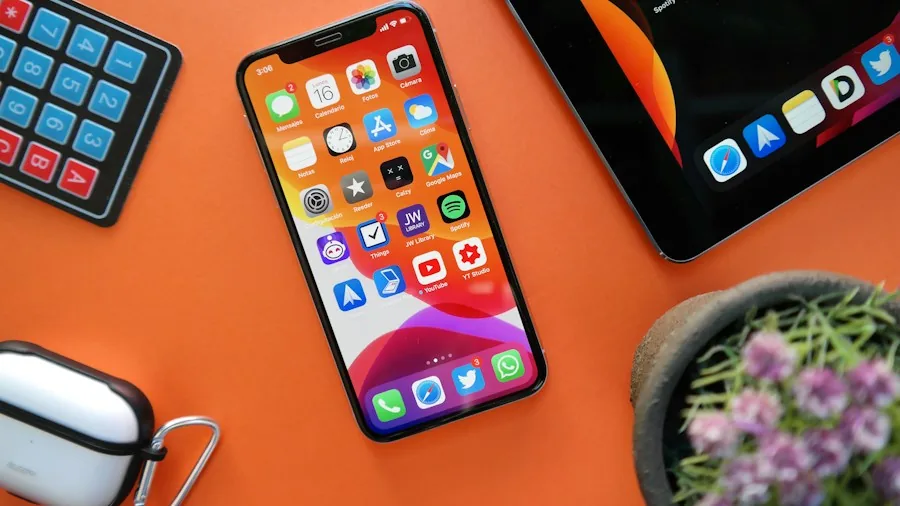
The practical experience of using Quick Share reveals both strengths and limitations. File transfers work instantly after device pairing and confirmation, making the process straightforward and user-friendly. However, speed isn’t extraordinary: transferring a full photo album containing over one hundred images totaling approximately one gigabyte from an iPhone to an Android device takes roughly three minutes. Performance may vary depending on the specific device models involved, but this represents a workable solution for everyday sharing scenarios.
Real-world usage shows that Quick Share delivers on its promise of convenience, even if it doesn’t achieve maximum speed. For families with mixed device ecosystems or professionals who work across platforms, this eliminates a persistent inconvenience that smartphone users have struggled with for years. The simplicity of the process is particularly noteworthy: select files, confirm the recipient, and watch the transfer complete without manual intervention or subscription requirements.
Breaking Down Apple’s Ecosystem Wall

For decades, Apple maintained what many observers called a walled garden, making it intentionally complicated for iOS users to share content with Android devices. Quick Share represents a significant crack in that wall, allowing Android manufacturers to level the playing field. Google’s Pixel lineup received this feature first, followed by Samsung’s flagship Galaxy S-series phones, and now it’s reaching more affordable models.
This expansion matters for consumer choice. Shoppers no longer need to commit exclusively to one ecosystem to maintain seamless file sharing within their personal network. Users with family members who prefer different platforms can now collaborate more easily. Small business owners and freelancers managing projects across multiple device types find their workflow simplified.
The availability of cross-platform compatibility on devices that integrate with iPhones continues to improve overall user experience. Samsung’s decision to prioritize this feature across price tiers suggests the industry recognizes consumer demand for interoperability. Whether combined with other smart accessories or used as a standalone solution, this capability enhances the practical utility of Galaxy A phones for anyone in a mixed-device household.
What Shoppers Should Consider
If you’re evaluating compatible accessories for iPhone integration, understanding which Android phones offer Quick Share compatibility should factor into your decision-making. The Galaxy A56 and A57 now offer this advantage over older mid-range competitors. As more models receive the One UI 9 update, this feature will become increasingly standard rather than premium.
The rollout timeline remains fluid, but Samsung’s expansion pattern suggests the company intends broad deployment across its device portfolio. Consumers considering a Galaxy A phone purchase should verify whether their target model has received the update or should receive it soon. This capability adds genuine value that extends beyond specifications and price comparisons, directly improving daily usability for anyone who needs to share content with iPhone users.
About the author
Eleanor covers smartphones for REMOVU, balancing cameras, battery life, and software support against price. She helps readers find the best value as the field shifts with every release.