Apple Discontinues 12-Inch MacBook Line: What Shoppers Need to Know About the Obsolete Designation
What the end of support means for owners and buyers shopping the used market.
 By Ava Herrera
Updated October 15, 2026
By Ava Herrera
Updated October 15, 2026
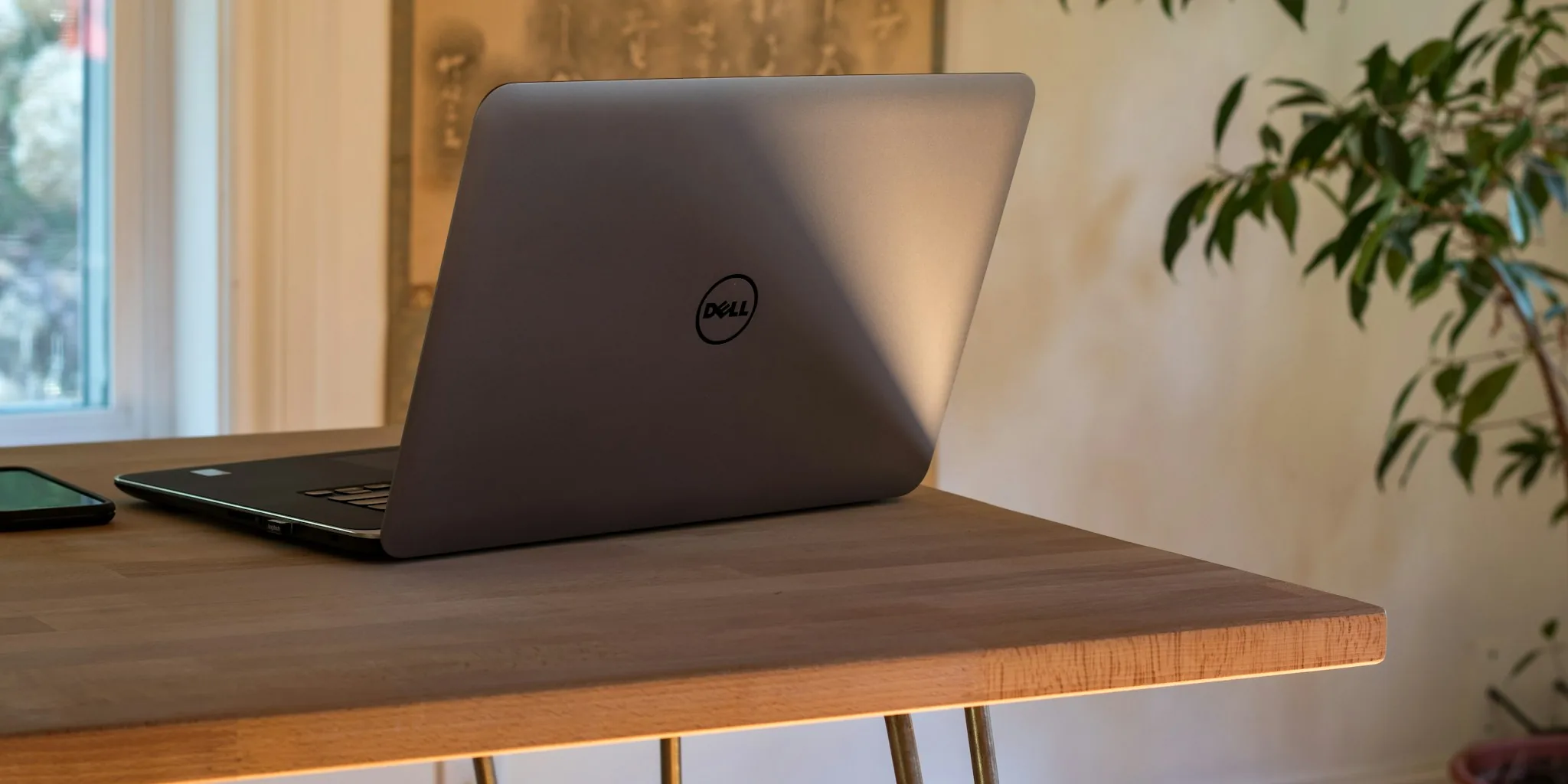
Apple has officially added the 12-inch MacBook from 2017 to its list of obsolete products, marking the end of support for one of the company’s most distinctive laptop models. The move, which took effect this week, means the device will no longer be eligible for parts or repair services through Apple. For current owners and anyone considering purchasing a used model, understanding what this designation means is essential.
What the Obsolete Status Means
When Apple classifies a product as obsolete, the company typically stops providing repair services and replacement parts for that device. However, MacBooks receive slightly different treatment than other Apple products. While most devices lose all support after being declared obsolete, MacBook owners may still request battery replacements for up to a decade after the device was discontinued from sale, provided batteries remain available in inventory.
The 12-inch MacBook was removed from Apple’s sales lineup in 2019, making it eligible for the obsolete classification roughly seven years later, which aligns with Apple’s standard timeline. The 2015 and 2016 generations had already received the obsolete designation previously.
A Brief History of Apple’s Lightest Laptop
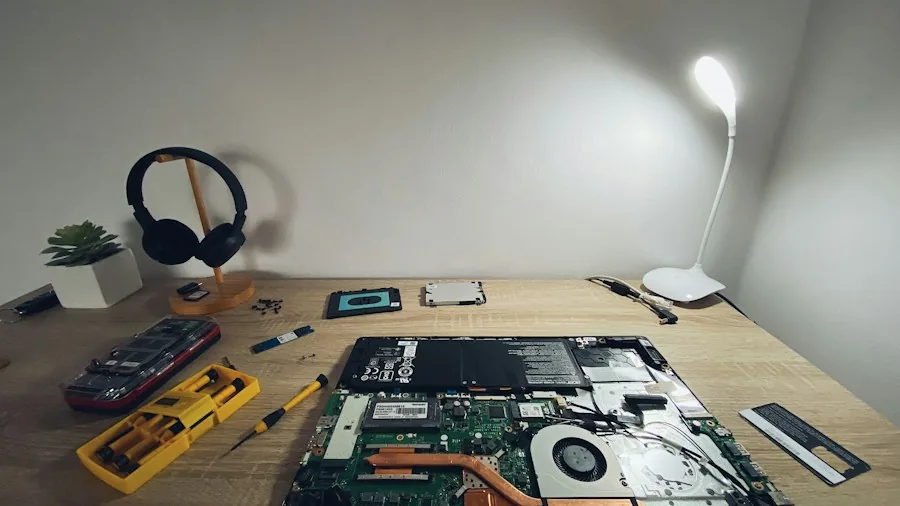
The 12-inch MacBook launched in 2015 and immediately captured attention as the lightest notebook Apple had ever produced, weighing just 2 pounds. This ultra-portable design appealed to professionals and travelers seeking maximum mobility without sacrificing performance. The device featured a slim 13.1 millimeter chassis and a Retina display with a 16:10 aspect ratio, offered at an original price of $1,299.
The model was also historically significant as the first MacBook to introduce the butterfly keyboard mechanism, a design choice that sparked considerable debate among users. Apple released updated versions in 2016 and 2017, each incorporating newer processors and minor refinements, though the core design remained recognizable throughout the product line’s existence.
What This Means for Current Owners
If you own a 12-inch MacBook from any year in the product line, the obsolete status requires careful consideration for your long-term device strategy. You can no longer expect Apple to repair hardware failures beyond the battery replacement window mentioned earlier. Software updates may also become limited, as Apple focuses support efforts on current and recent generation products.
For users relying on a 12-inch MacBook for daily work, now is an appropriate time to evaluate upgrade options. Current laptops offer significantly improved performance, better battery longevity, and modern features that early 2010s technology cannot match. If your device still functions adequately for basic tasks like web browsing and document editing, you may continue using it, but be prepared for potential hardware issues without official repair channels available.
What Shoppers Should Know Before Buying Used
The secondary market still contains used 12-inch MacBooks at reduced prices, which might tempt budget-conscious buyers. However, purchasing an obsolete model carries inherent risks. Without Apple support, you would need to rely on third-party repair services, which may charge premium rates for specialty work. Battery life on older devices typically degrades significantly, and replacement batteries can be difficult to source.
If portability is your primary concern, modern alternatives like the MacBook Air provide superior performance at comparable weight, making the older 12-inch model less compelling. Before committing to a used purchase, research the specific year of manufacture and review its hardware condition thoroughly.
Apple’s Current Laptop Lineup

With the 12-inch MacBook now officially retired from support, Apple’s entry-level portable option is the MacBook Neo. For those seeking professional-grade performance and expanded features, docking stations and external accessories can enhance any current generation MacBook. Apple has also signaled plans to introduce a new high-end touch-screen MacBook model in the coming weeks, which will provide cutting-edge capabilities for demanding users.
The smaller MacBook Air line continues to offer a balance between portability and capability. Introduced as an 11-inch model in 2010, the MacBook Air went through several updates before discontinuation in 2016, though the brand remains active with larger display sizes. For those frequently traveling, pairing your MacBook with portable chargers ensures consistent power availability throughout the day.
Looking Forward
The obsolete designation for the 2017 12-inch MacBook represents a natural progression in Apple’s product lifecycle. While the device was undeniably innovative and influential in demonstrating that ultra-portable design was commercially viable, technology has advanced substantially in the years since its release. If you own one of these machines, the time to plan for eventual replacement is now, rather than facing unexpected hardware failure with no official support pathway available.
About the author
Ava is REMOVU's laptop writer, balancing speed, battery life, and build quality against price across the whole range. She helps readers find the sweet spot as each new chip shifts what a dollar buys.