Apple MacBook Battery Replacement Now Limited for Older Models What You Need to Know
Three Apple products just hit obsolete status. Here's what it means for your repair options and battery service timelines.
 By Nevaeh Ross
Updated October 14, 2026
By Nevaeh Ross
Updated October 14, 2026
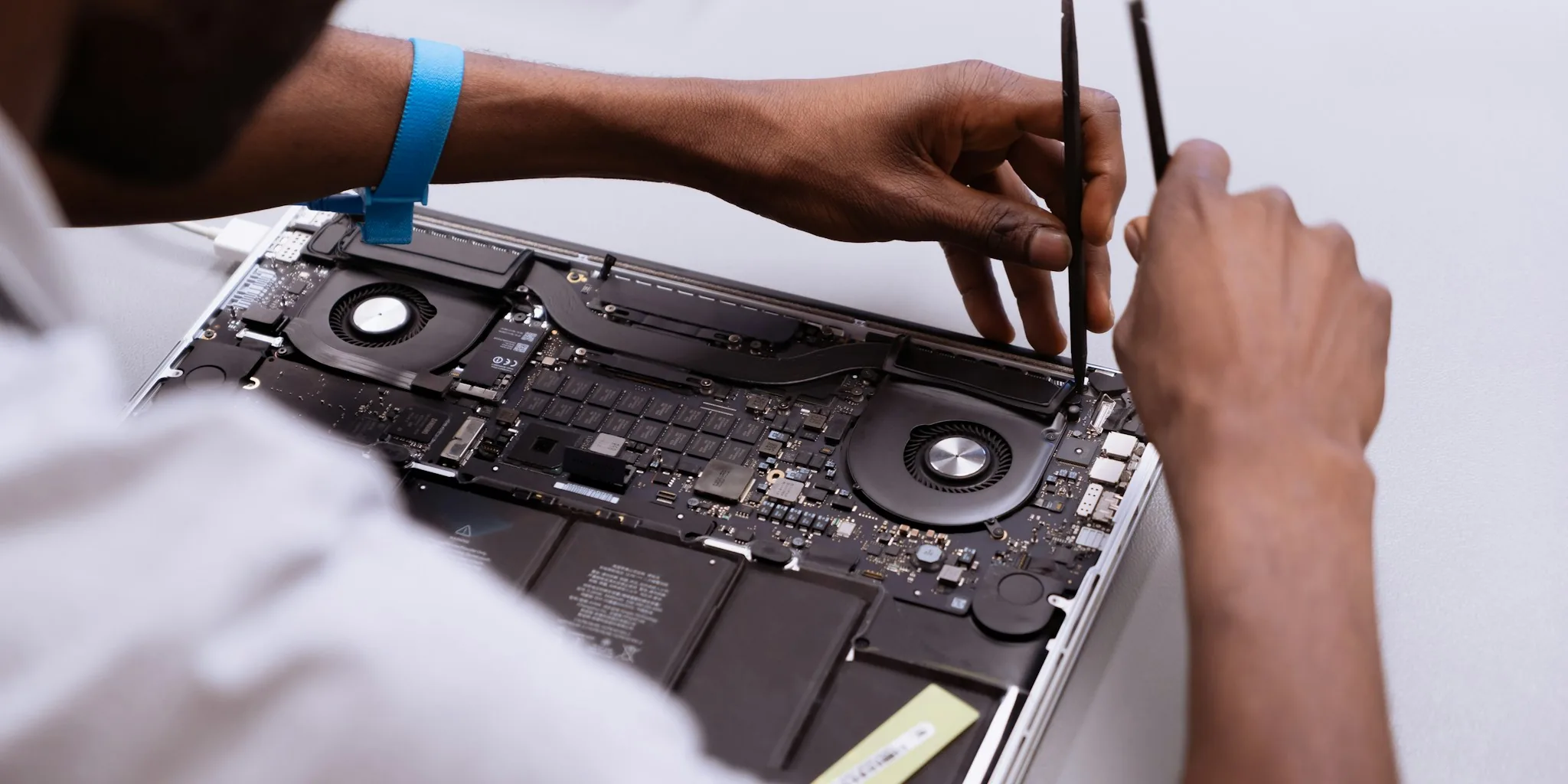
Apple has officially designated the 12-inch MacBook from 2017, the iPad 6th generation, and BeatsX headphones as obsolete products. This classification marks a significant milestone for these devices and carries real consequences for owners seeking repairs and maintenance services.
Understanding Apple’s Obsolete Product Classification
Apple designates a product as obsolete seven years after it stops distributing that device to resellers and customers. Once a product reaches this status, Apple Stores and Apple Authorized Service Providers must cease offering hardware repair services. Parts become unavailable through official channels, making it difficult for technicians to perform most maintenance work on these older devices.
This policy reflects Apple’s standard lifecycle management approach. The company previously moved other aging products into vintage status at the five-year mark, where limited repairs remain available if parts are in stock. After seven years, the vintage classification transitions to obsolete, effectively ending most repair options through official Apple channels.
Battery Replacement Exception for MacBooks
While the 2017 MacBook officially joins the obsolete category, Apple has carved out a specific exception for battery replacements on MacBook models. According to Apple’s policy, certain MacBook units remain eligible for battery replacement services for up to ten years following the end of distribution, provided parts remain available in Apple’s inventory.
This extended window is crucial for MacBook owners. Batteries degrade over time regardless of use patterns, and a degraded battery can significantly impact both performance and device safety. The ten-year extension provides a three-year window beyond the obsolete classification during which official battery service may still be possible for qualifying MacBook units, assuming stock availability.
What Happened to the 2017 MacBook
Apple discontinued its Intel-based 12-inch MacBook entirely in 2019. This ultra-portable laptop had limited appeal despite its thin design, as it featured only one USB-C port and modest performance specifications. The company has not released a comparable sub-thirteen-inch MacBook with its newer Apple silicon processors, leaving a gap in its product lineup for buyers seeking compact laptops.
Owners of the 2017 model who require battery service should act relatively soon. As years pass, parts inventory depletes, and availability becomes less certain. The notification of obsolete status serves as a practical reminder that service windows are closing for these devices.
Implications for iPad 6th Generation and BeatsX Users
The iPad 6th generation also reaches obsolete status, though iPad battery replacement policies differ slightly from MacBook guidelines. Without the extended ten-year battery replacement window, iPad owners will find it increasingly difficult to obtain official service for their devices. Third-party repair options may remain available, but they typically void any remaining warranty coverage and may use non-original components.
BeatsX headphones, similarly classified as obsolete, face even steeper challenges. Wireless earbuds and headphones have limited repairability, and obsolete status means official parts and service are no longer available through Apple’s ecosystem. Owners experiencing issues will likely need to consider replacement rather than repair.
What This Means for Shoppers
The obsolete classification serves as a wake-up call for current owners and a reminder for shoppers evaluating older Apple products in the used market. If you own any of these recently obsoleted devices and need maintenance, prioritize scheduling service soon. Battery degradation, in particular, should not be ignored, as deteriorating batteries can pose safety risks and reduce device usability.
For buyers considering purchasing second-hand 2017 MacBooks or 6th-generation iPads, factor in the reduced service window. While these devices may still function adequately, the lack of official support channels increases long-term ownership costs. You’ll need to evaluate whether the purchase price justifies potential repair expenses or replacement plans.
The transition to obsolete status also signals that Apple’s support infrastructure is shifting focus to newer products. If you depend heavily on specific Apple devices for work or daily use, plan upgrade timelines accordingly rather than waiting for hardware failure to force a transition.
Planning Ahead for Device Longevity
Apple’s classification system emphasizes why regular maintenance matters for aging electronics. For MacBook owners within the ten-year battery replacement window, scheduling service before parts disappear is a practical step. Keeping batteries healthy can extend device lifespan and maintain performance during the remainder of the product’s useful life.
This announcement also underscores broader device maintenance principles. Environmental and financial considerations favor keeping devices functional longer, but official support networks have natural endpoints. Understanding these timelines helps shoppers make informed decisions about when to invest in repairs, when to upgrade, and which used devices represent reasonable purchases in the secondary market.
About the author
Nevaeh is REMOVU's over-ear headphone writer, judging sound, comfort, and value across wireless and wired models. She helps readers find a spacious, long-wear pair for home or travel.