Sony Dominates Mirrorless Camera Rankings in Japan but Competition Heats Up
Japan's top retailer shows Sony still dominates mirrorless camera sales, yet rivals Canon and Fujifilm are closing the gap.
 By Lawrence Hale
Updated October 13, 2026
By Lawrence Hale
Updated October 13, 2026

Japan’s mirrorless camera market is showing signs of shift as Sony maintains its lead at a major retailer, but the company’s once-overwhelming presence is beginning to ease. According to the latest sales data from Yodobashi, one of Japan’s largest electronics retailers, the top three spots belong to Sony models, yet the overall competitive landscape is diversifying in ways that should matter to shoppers worldwide.
Sony’s Winning Streak Continues
The Sony A7 V claims the number one position on Yodobashi’s ranking for the second half of September. This full-frame mirrorless camera has generated significant momentum since its December 2025 launch, earning multiple prestigious accolades including Best Full Frame Expert Camera at the TIPA World Awards and Camera of the Year recognition from both the Camera Grand Prix 2026 and EISA. The A7 V is followed closely by two other Sony offerings: the A7C II with a zoom lens kit in second place and the A7 V body-only version in third position.
What makes the A7 V notable is its engineering. The camera features a next-generation Bion XR2 processor that incorporates an AI processing unit, delivering what reviewers describe as intelligent autofocus, increased burst speeds, and enhanced video capabilities compared to previous generations. The partially stacked Exmor RS CMOS sensor delivers approximately 16 stops of dynamic range and enables blackout-free continuous shooting at up to 30 frames per second in 14-bit RAW format. This combination positions the A7 V as a versatile all-rounder designed for photographers who need both speed and reliability. The camera is priced at $2,898, making it accessible compared to other professional-grade mirrorless cameras in its class.
Competition Growing Stronger
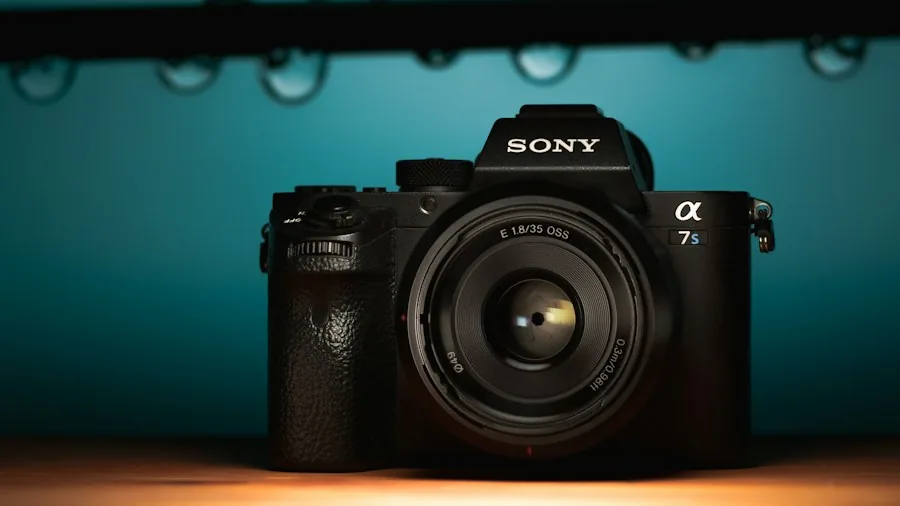
While Sony’s presence remains significant, the numbers tell a story of a shifting market. Previously, Sony models accounted for approximately 50 percent of Yodobashi’s top 10 rankings. In the latest data, Sony represents four of the top 10 models, a notable decline that reflects growing competition from other manufacturers.
Canon has emerged as the strongest challenger, claiming three positions in the top 10. The EOS R50 Double Zoom Kit ranks fourth, the EOS R6 Mark III appears in eighth place, and the EOS R10 lands in ninth position. These placements suggest that Canon’s offerings are resonating with Japanese consumers, particularly in the entry-to-mid-level segment where the R50 and R10 compete. For shoppers evaluating options, this diversification means more viable alternatives are available at various price points and with different feature sets.
Fujifilm and Nikon also maintain presence on the chart, with Fujifilm claiming two spots including the popular X-T30 III XC lens kit in fifth place and the X-M5 XC lens kit in sixth position. Nikon’s Z50 II Double Zoom Kit rounds out the top 10 in tenth place. This broader representation suggests that the mirrorless market has matured beyond single-manufacturer dominance.
What This Means for Buyers
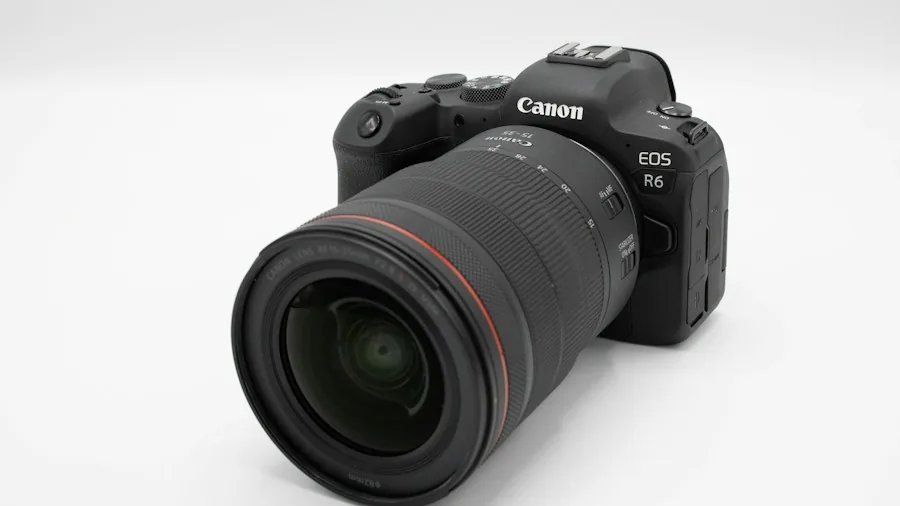
For consumers shopping for mirrorless cameras, this market evolution offers both advantages and considerations. The increased competition should fuel innovation across brands, potentially delivering better features and value propositions across price ranges. A fragmented market encourages manufacturers to differentiate through unique technologies, ergonomic design, and ecosystem development rather than relying on brand familiarity alone.
The strong performance of the Sony A7 V validates the appeal of cameras that blend professional capabilities with affordability. Its award-winning processor and sensor technology set a benchmark that other manufacturers must match or exceed. Meanwhile, Canon’s traction in the top 10 reflects the success of its RF-mount ecosystem and competitively priced bodies that appeal to both newcomers and upgrade-minded enthusiasts.
Shoppers should recognize that sales rankings in a single market provide only one perspective. Factors like local pricing, availability of lenses and accessories, and regional warranty support influence real-world purchasing decisions. The presence of multiple strong contenders, however, suggests that today’s buyer has genuine options without sacrificing quality or features by choosing beyond the category leader.
The sustainability of these rankings will depend on upcoming product launches and how manufacturers continue to innovate. Industry observers should watch for new releases from Canon, Nikon, and Fujifilm that might challenge Sony’s position further. For photographers in the market, the current environment offers an opportunity to evaluate mirrorless cameras based on individual needs rather than assuming that top-ranked models automatically represent the best choice for every use case.
Looking Ahead
The mirrorless camera market is maturing, and Japanese retail data reflects a healthy ecosystem where multiple manufacturers compete effectively. Sony’s continued leadership combined with Canon’s growing presence and Fujifilm’s sustained appeal suggests the market will remain vibrant and competitive in the coming months.
About the author
Lawrence covers mirrorless and DSLR cameras for REMOVU, weighing image quality, autofocus, and lens ecosystems. He helps photographers choose a body they can grow with.