Why You Should Stop Using Your Samsung Phone’s Included Cable
That included USB-C cable caps your phone's charging speed. Here's why and what to buy instead.
 By Eleanor Garcia
Updated October 9, 2026
By Eleanor Garcia
Updated October 9, 2026
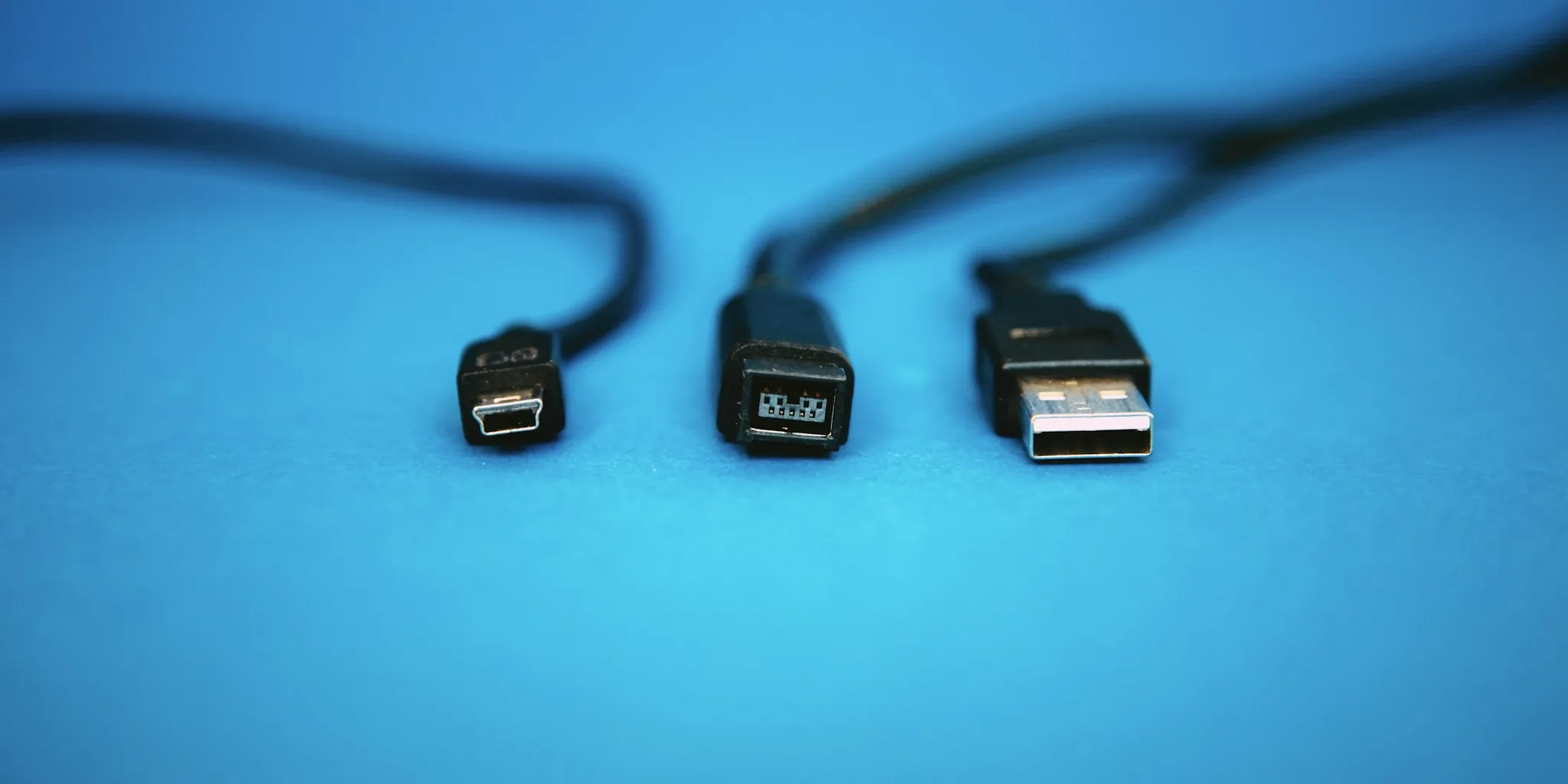
When you unbox a new Samsung flagship smartphone, most people assume the USB-C cable packed inside is optimized for that device’s full capabilities. After all, it comes straight from the manufacturer, and it seems logical that Samsung would include hardware that actually works as intended. The reality is far different, and that cable is likely preventing your phone from charging at its maximum speed.
The Included Cable Has a Critical Limitation
Samsung removed the wall charger from its flagship box years ago, citing environmental concerns and waste reduction. What remained was a short USB-C to USB-C cable with a thin protective jacket, rated for only 3 amps of current. While 3 amps is adequate for standard charging, it creates a significant bottleneck for phones designed to support faster speeds.
Samsung offers two tiers of fast charging technology. Super Fast Charging 1.0 maxes out at 25 watts, while Super Fast Charging 2.0 reaches 45 watts. Regular Galaxy phones and foldable models support the 25W standard, so the included cable works fine for those devices. However, Ultra models, Plus variants, and high-end Galaxy Tabs all support 45W charging, which requires 4.5 amps of current to operate safely.
The USB specification mandates that cables delivering 45W power must carry a 5-amp rating and include an embedded component called an E-marker chip. This tiny chip acts as an identification system, communicating the cable’s maximum voltage, current, and data speed capabilities to your phone. When you connect a 45W charger to an Ultra phone using the standard included cable, your device detects no E-marker and automatically throttles down to 3 amps, delivering only 25 to 30 watts instead of the full 45 the phone was engineered to accept. Samsung’s packaging provides no warning about this limitation, leaving most owners unaware they’re getting suboptimal charging speeds.
What to Look for in a Replacement Cable
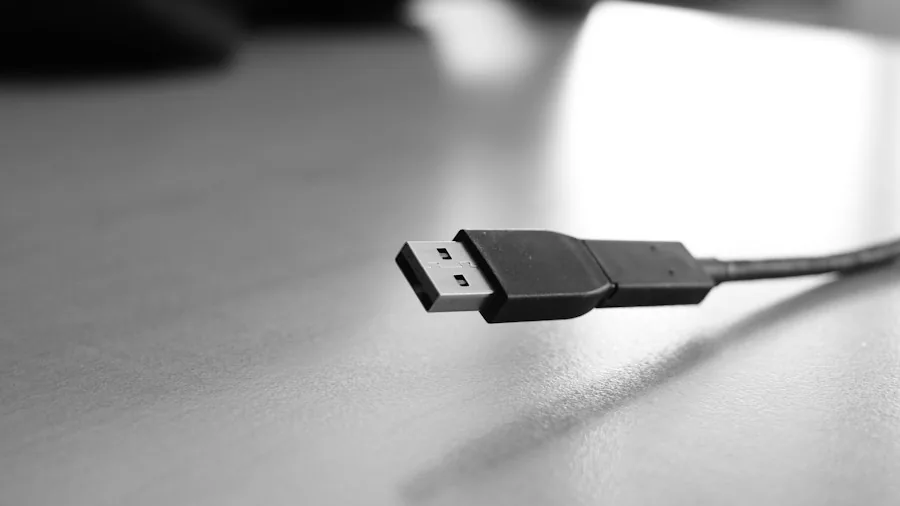
When shopping for a new cable, avoid grabbing the first USB-C option you encounter. If you own a Galaxy Ultra, Plus, or premium tablet with 45W Super Fast Charging support, you need a cable specifically rated for 5 amps with an E-marker chip built into the connector.
The clearest indicator of a quality cable is USB-IF certification, which proves the cable underwent independent evaluation rather than simply receiving a manufacturer’s compliance sticker. Certified cables are evaluated for signal integrity, thermal performance under full load, and E-marker accuracy. Many inexpensive cables either skip the legitimate chip or contain internal wiring flaws that cause charging failures, reduced speeds, or potential port damage over extended use.
Before purchasing, search for the official Certified USB logo on packaging or verify the cable’s Test ID number on the USB-IF website. Build quality matters significantly because a cable that deteriorates in a few months provides no value. Braided nylon or Kevlar-reinforced jackets resist damage far better than the thin rubber coating on standard included cables. The best solar chargers for phones likewise prioritize durability and proper certification to ensure reliable performance.
Consider cable length as well. A six-foot length provides comfortable charging without straining your device’s port, while shorter cables work better in vehicle settings where longer cables might tangle around controls. Your power adapter matters equally, as a high-quality cable alone won’t reach 45W if your wall charger lacks USB Power Delivery 3.0 or 3.1 support with Programmable Power Supply functionality and output capacity around 10V at 4.5A.
Safety Concerns Are Overblown for Certified Options
Critics often claim that using non-Samsung cables risks overheating, charging failure, or port damage. These risks do exist, but they stem from poor electrical design rather than the concept of third-party cables themselves. Cables using insufficient wire gauge or containing defective internal connections can generate excessive heat that melts plastic components or damages ports. Improperly manufactured connectors might short power and data pins together, creating hazardous situations.
However, these problems almost exclusively occur with unbranded, uncertified, or counterfeit cables, not with respected third-party manufacturers. Several warning signs help you identify cables to avoid: suspiciously low prices like multipack deals costing just a few dollars, unbranded listings lacking manufacturer identity, absence of USB-IF certification or Test ID numbers, and cables claiming extreme ratings like 5A or 100W while appearing thin and flimsy. Any cable from an established brand displaying verified USB-IF certification provides reliability matching or exceeding Samsung’s own cable, making the safety argument largely irrelevant when you shop deliberately and verify credentials.
The Value Proposition
The reality is that Samsung’s included cable simply isn’t as capable as it could be. It functions perfectly well for basic charging and adequately serves users with standard Galaxy or foldable models. However, if you own a device supporting 45W charging and want your phone to deliver on its promises, upgrading makes financial sense. A properly rated replacement doesn’t cost significantly more than the substandard cable in the box and typically outlasts it through superior construction. The best robot vacuums for large homes similarly demonstrate how investing in quality accessories enhances device performance overall. By pairing your premium phone with a certified cable and compatible charger, you unlock the fast charging capability you already paid for.
About the author
Eleanor covers smartphones for REMOVU, balancing cameras, battery life, and software support against price. She helps readers find the best value as the field shifts with every release.