Pixel Watch Sleep Tracking Gets Smarter: How Google Health Changes What Shoppers Should Expect
Sleep data finally becomes useful when it connects to how you actually feel and perform.
 By Kristen Jennings
Updated October 8, 2026
By Kristen Jennings
Updated October 8, 2026
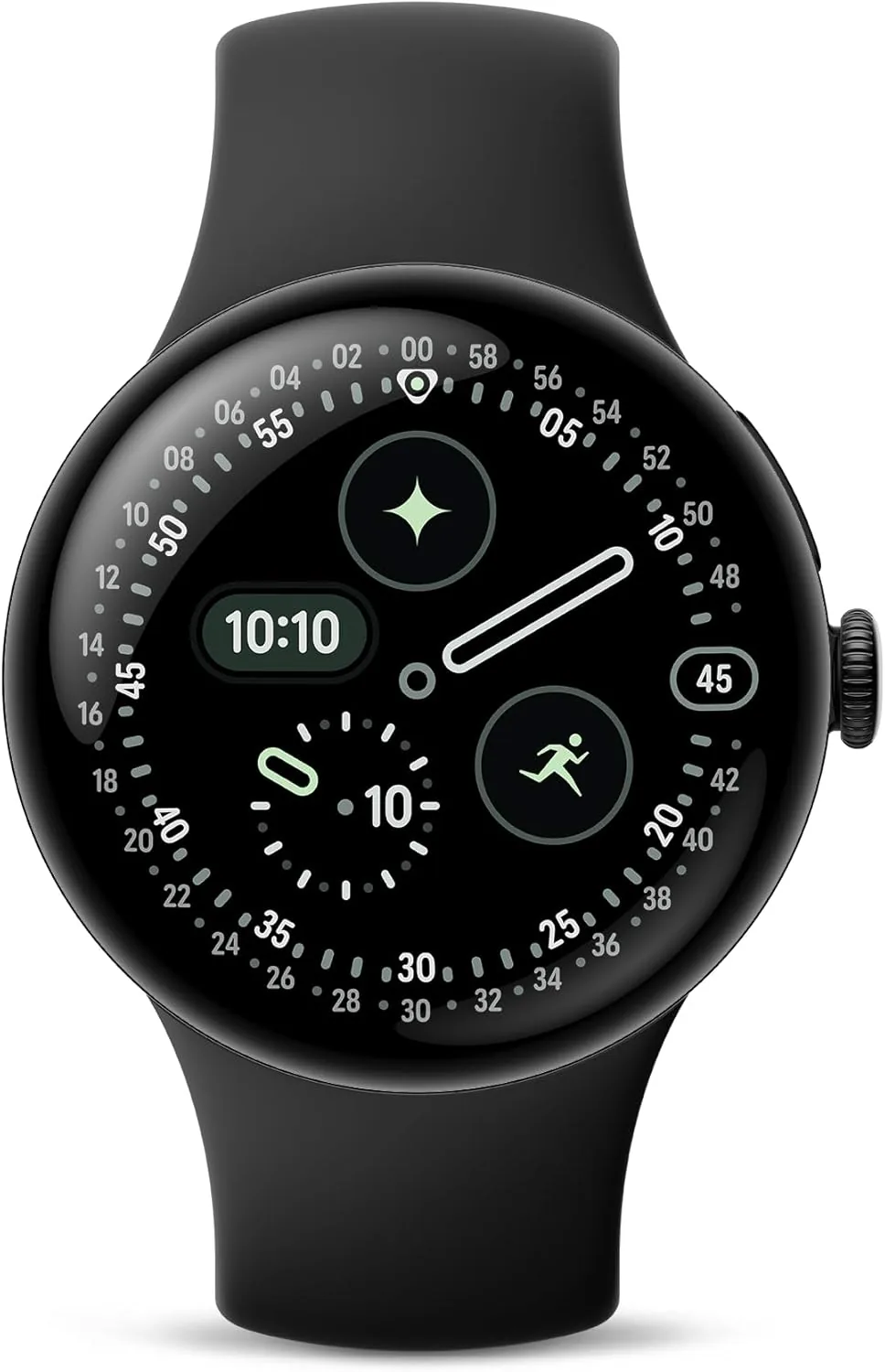
Google has fundamentally shifted how smartwatch owners think about sleep data. With the introduction of Google Health integration on the Pixel Watch 4, the company has moved beyond simple sleep duration metrics to deliver actionable, personalized guidance that directly connects to daily energy levels and workout readiness. This marks a significant departure from how traditional wearables have handled sleep insights for years.
The Problem with Traditional Sleep Metrics
For nearly a decade, smartwatch users have received the same basic sleep information: total hours slept, time spent in different sleep stages, and an overall sleep score. Whether wearing an Android-based smartwatch or a dedicated fitness tracker, the data remained largely similar across devices. Users could see how much deep or REM sleep they got, but that information rarely translated into practical advice on how to actually improve their rest or feel more energized.
This gap became especially noticeable for parents and individuals with inconsistent schedules. Knowing you slept seven hours or achieved a certain sleep score meant little when you still felt exhausted the next morning. Conversely, nights with nearly eight hours of sleep sometimes failed to deliver the expected energy boost. The numbers existed, but they lacked context and purpose. Users were left wondering what to do with this data beyond simple observation.
Google Health Introduces Personalized Sleep Insights
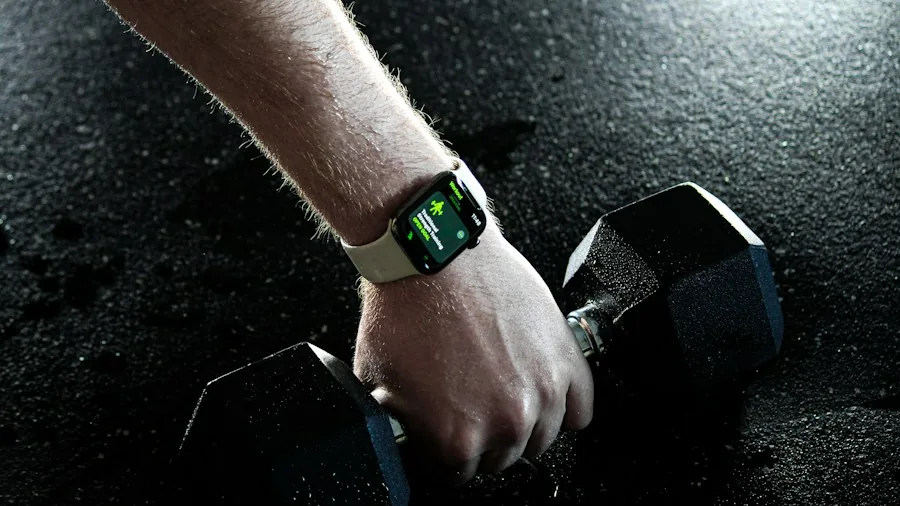
The transition from Fitbit’s traditional tracking to Google Health’s integrated system represents a meaningful evolution in how wearables interpret sleep data. Rather than stopping at duration and stage breakdowns, Google Health incorporates additional health metrics like resting heart rate and heart rate variability to create a complete picture of readiness and recovery.
The difference manifests in actionable recommendations. Instead of just reviewing last night’s sleep score, users receive specific guidance tailored to their body’s actual state. On days when sleep fell short but recovery metrics look strong, Google Health may still recommend proceeding with an intense gym session. Conversely, even after seven or eight hours of sleep, if other health indicators suggest the body needs recovery, the system recommends lighter activity like a brisk walk or short jog. Beyond workout guidance, users receive concrete bedtime targets, such as instructions to go to bed 30 minutes earlier, rather than abstract advice to sleep more.
The Connection Between Sleep and Daily Performance
What sets Google Health apart is that it bridges the gap between sleep data and real-world outcomes. For the first time, users can observe a direct correlation between sleep quality, recovery metrics, and how they actually feel during their day. This connection was missing from previous smartwatches under $200 and premium devices alike.
When users follow these recommendations and compare them against their actual workout performance or energy levels, the data becomes meaningful. A readiness score suddenly matters because users can verify whether it matches their lived experience. If the system suggests taking it easy and the user goes to the gym anyway, only to discover they genuinely lack the energy for their planned routine, future recommendations gain credibility. This feedback loop transforms sleep tracking from an abstract health metric into a practical tool for managing daily performance and energy allocation.
Rethinking Sleep Duration as a Success Metric
Google Health’s approach challenges the common assumption that eight hours of sleep is a universal goal. The system demonstrates that duration alone tells an incomplete story. Two people might sleep identical hours but wake with different energy levels based on sleep quality, stress hormones, cardiovascular recovery, and overall readiness. By incorporating these additional factors, Google Health provides a more nuanced view of what quality sleep actually means for each individual.
This shift has practical implications for how shoppers evaluate smartwatches and their health features. Rather than seeking a device that simply logs sleep hours, consumers should prioritize wearables that offer intelligent interpretation of that data and connect sleep metrics to actionable daily guidance.
What This Means for Smartwatch Shoppers
The evolution of sleep tracking on the Pixel Watch 4 signals a broader industry direction. Shoppers are increasingly looking beyond raw data collection toward systems that help them make better decisions. A smartwatch that simply counts sleep stages offers limited value, but one that interprets sleep quality within the context of your body’s actual recovery and readiness becomes genuinely useful for optimizing both rest and activity.
This development matters because it raises expectations for what modern wearables should deliver. Consumers are rightfully moving away from devices that provide numbers without context. The future of health tracking lies in systems that provide personalized, evidence-based recommendations you can actually use to improve your life. Google Health’s approach on the Pixel Watch 4 demonstrates what that standard looks like in practice.
About the author
Kristen writes about smartwatches for REMOVU, comparing features, battery life, and ecosystem fit. She helps readers tie together health tracking, notifications, and apps on the right watch.