Ring Smart Lock Tackles the Dead Battery Problem What Shoppers Should Know
Ring's new smart lock uses a hand crank to solve the dead battery problem plaguing the category.
 By Teresa Price
Updated October 7, 2026
By Teresa Price
Updated October 7, 2026
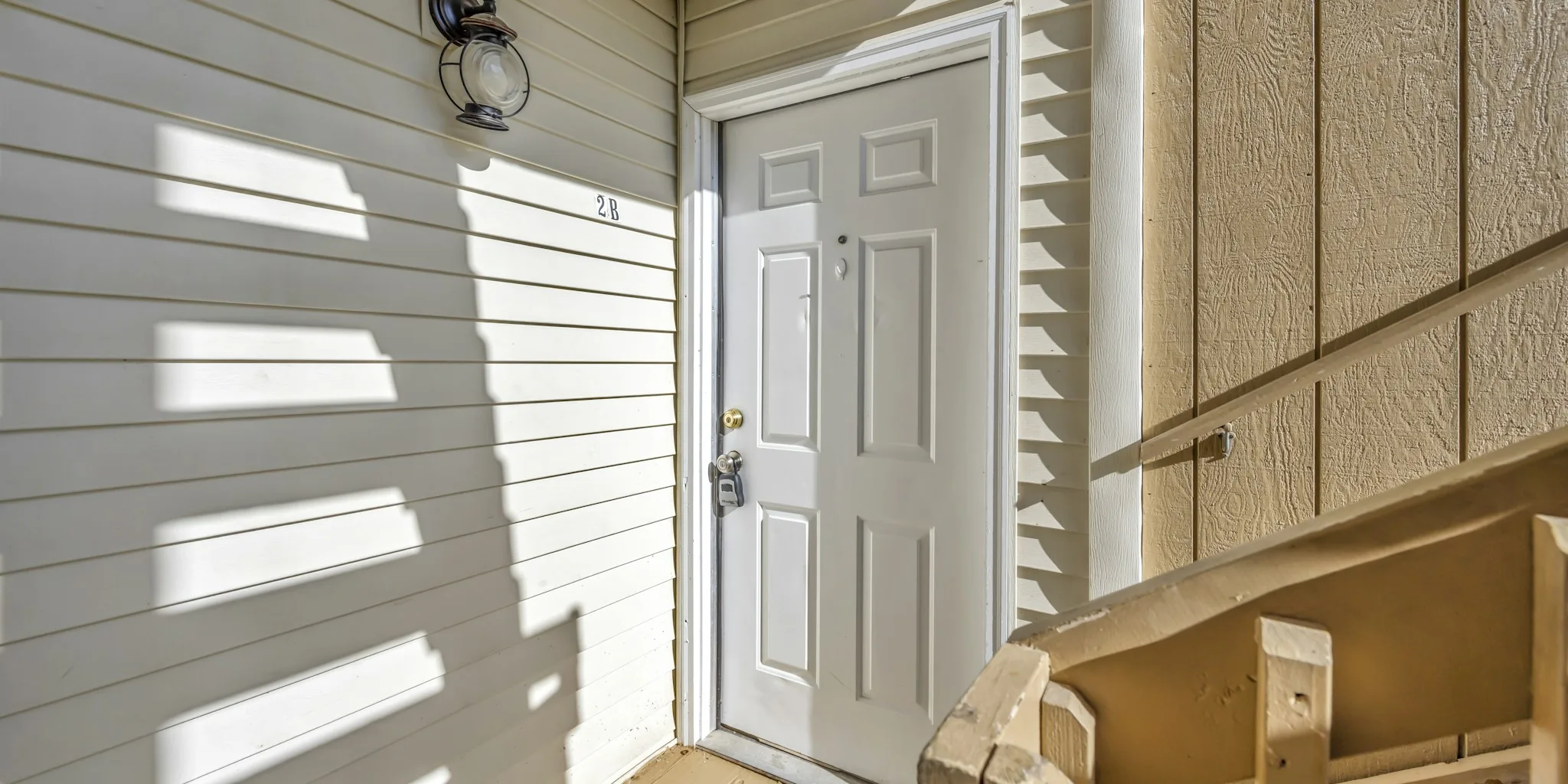
Dead battery lockouts have plagued the smart lock category for years, forcing homeowners to rely on backup keys or carry emergency power solutions. Ring, the well-known smart home security brand, has just announced its first entry into the smart lock market with a solution that directly addresses this persistent frustration.
The Ring Smart Lock, arriving in 2027 at $249, introduces a supercapacitor powered by a manual hand crank built into the lock’s thumbturn. This innovation lets users generate enough temporary power in just four or five quick spins to unlock the door and get inside, giving roughly 20 seconds of operation time. Once inside, homeowners can properly charge the main battery or replace it as needed.
Why Dead Batteries Matter More Than You Think
Smart locks have become increasingly popular for homeowners who want convenience and enhanced security. Unlike traditional deadbolts, most smart locks operate on replaceable or rechargeable batteries since running electrical wiring to a door is impractical for most installations. The trade-off has always been straightforward: manage battery maintenance or face being locked out of your own home.
Ring founder and CEO Jamie Siminoff recognized this as the category’s biggest pain point. He noted that most current smart locks still rely on traditional physical keys as a backup, a solution he views as outdated and unreliable. Other brands have experimented with emergency options like portable USB-C power banks or 9-volt battery chargers that users must carry or hide somewhere accessible, creating their own inconvenience.
How the Energy Crank Works
Supercapacitors operate differently from standard batteries. Rather than storing energy through chemical reactions, supercapacitors hold electrical energy electrostatically and can charge and discharge very rapidly. This makes them ideal for short bursts of power, exactly what’s needed to unlock a door and enter your home.
The crank mechanism is remarkably simple and reliable. It works regardless of battery condition, meaning it functions even if the main battery has completely died or been removed entirely. This redundancy ensures you’ll never find yourself completely locked out, making the crank a genuine emergency solution rather than just a backup option.
Standard Smart Features Included
Beyond its innovative emergency charging system, the Ring Smart Lock includes features expected from modern smart lock systems. A built-in fingerprint reader provides biometric access for household members. Remote locking and unlocking through a mobile app allows homeowners to control access from anywhere. The lock integrates seamlessly with Ring’s ecosystem and Amazon Alexa devices for voice control and automation.
Connectivity comes through Amazon Sidewalk, a shared network powered by Amazon devices in your area. This means the lock doesn’t require a separate Wi-Fi connection to enable remote operations and status updates, simplifying installation and reducing setup complexity.
What This Means for Shoppers
The Ring Smart Lock’s $249 price point positions it competitively within the broader smart lock market. More importantly, the energy crank solution removes a major source of stress and inconvenience that has limited adoption in this category. Homeowners won’t need to worry about emergency power banks, hidden backup keys, or the anxiety of a dead battery at the wrong moment.
This launch signals a shift in how manufacturers approach the smart lock category. Instead of accepting battery management as an unavoidable limitation, Ring has engineered a practical backup system that requires no additional equipment or advance planning. The crank is always there, integrated into the lock itself.
For buyers comparing smart locks with keypad options or other access methods, the dead battery problem remains a critical consideration. Ring’s approach offers genuine peace of mind by eliminating the most common failure scenario that catches homeowners off guard.
The announcement reflects growing maturity in the smart lock space. As the technology becomes more mainstream, manufacturers are addressing real-world problems that early adopters encountered. The Ring Smart Lock demonstrates that innovation in this category isn’t just about adding features, it’s about solving the practical obstacles that prevent people from fully enjoying the convenience and security benefits these locks provide.
About the author
Teresa covers smart locks for REMOVU, prioritizing security, reliability, and value alongside keyless convenience. She helps readers upgrade their door without compromising safety.